Top Questions to Ask Before Buying a Home Battery: A 2026 Buyer Checklist
Before buying a home battery, ask eleven questions that separate a unit you can live with from a box that fails in month three: size to your real load and outage hours, confirm runtime at your load, c
Top Questions to Ask Before Buying a Home Battery: A 2026 Buyer Checklist
Before buying a home battery, ask eleven questions that separate a unit you can live with from a box that fails in month three: size to your real load and outage hours, confirm runtime at your load, check the chemistry and the safety documents, read cycle life at your climate temperature, and verify the factory before you pay. This guide lists the questions plus a copy-paste inquiry checklist for importers across Asia, Africa, the Middle East, and Latin America.
Before you buy a home battery, ask the supplier eleven questions that separate a unit you can live with from a box that fails in month three. Size to your real essential load and outage hours, not the biggest number on a brochure; confirm runtime at your actual load; decide integrated versus separate inverter; pick the chemistry and read the safety documents; check cycle life at your climate's temperature; and verify the factory before you pay. Everything else is detail on top of those. Utility-scale storage is scaling fast across Asia and Latin America: Maharashtra, Rajasthan, and Chile are adding hundreds of megawatt-hours of BESS, and that pull is dragging residential storage into the mainstream, which is exactly why a buyer's questions matter more than the salesman's pitch.
What size home battery do I actually need?
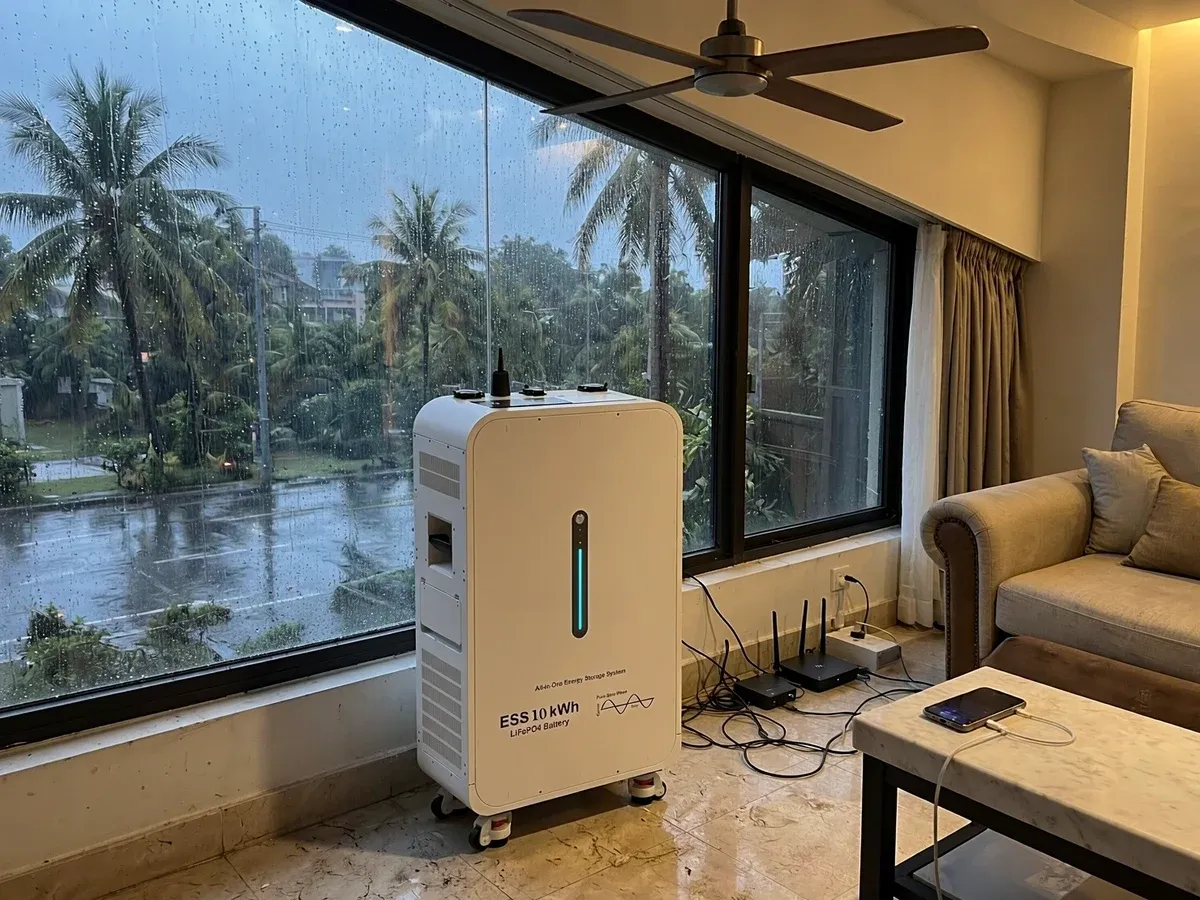
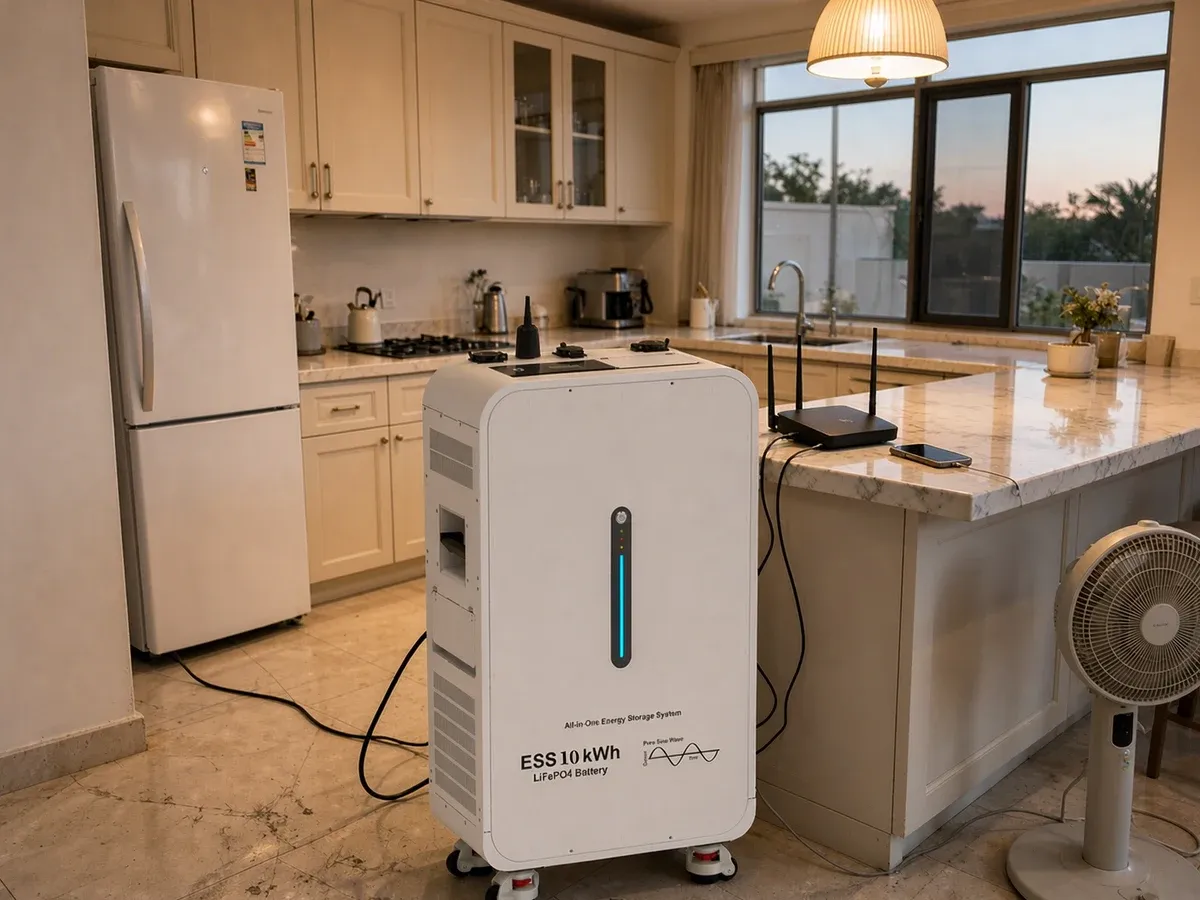
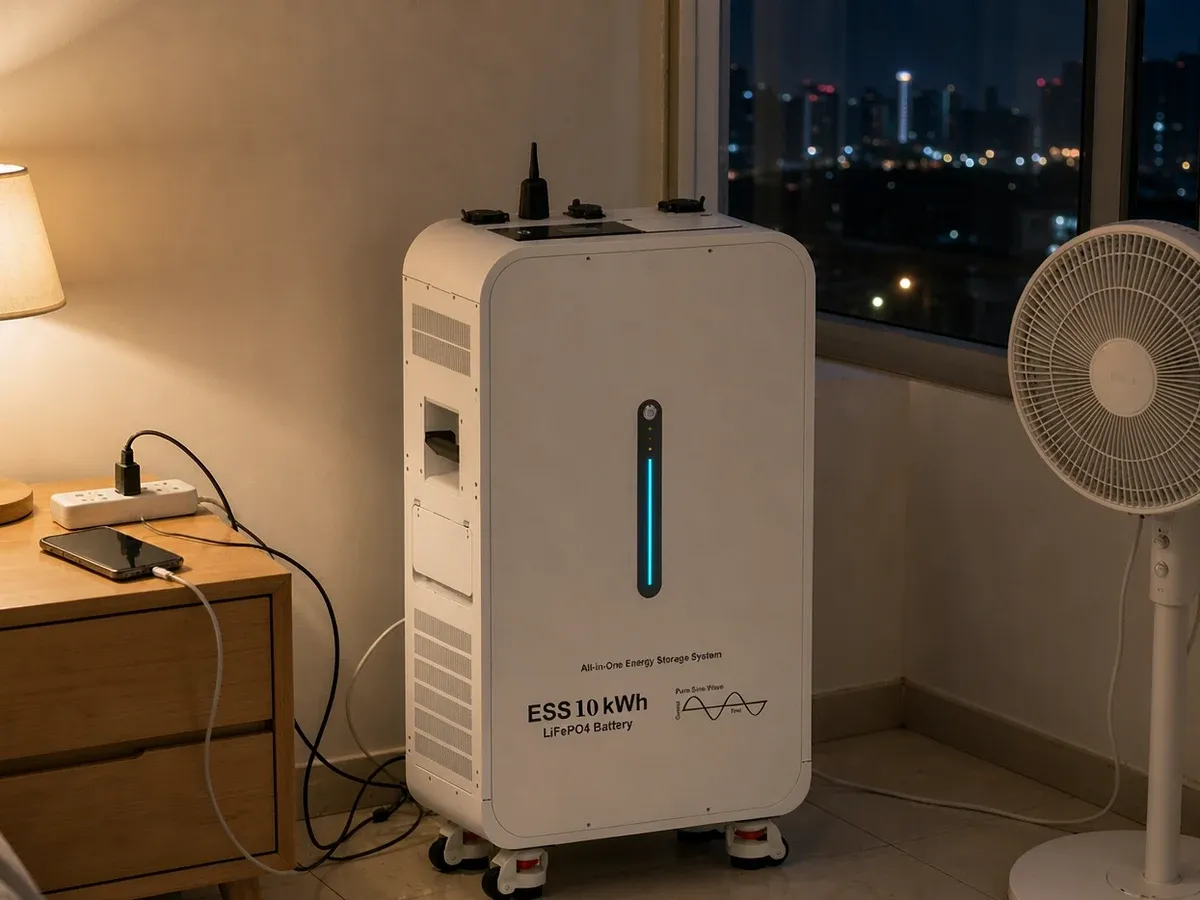
Size to your daily essential load in kilowatt-hours plus the number of outage hours you must cover, not to the largest capacity a brochure advertises. A 10kWh all-in-one covers a fridge, fans, router, and lights through a long evening; a 16kWh villa unit carries continuous air-conditioning on top. Our home energy storage guide walks through the load count, and the 10kWh unit sits at the entry tier while the 16kWh villa unit handles whole-house cooling. Capacity tiers of 5/10/16/20kWh are confirmed; the exact match to your load is set per inquiry.
How long will it run my essential loads?
Runtime is usable capacity divided by your load in watts, and the gap between a 200W fridge and a 1.2kW air conditioner is the whole story. Ask the supplier for runtime at your load, not a laboratory figure measured on a light draw. A unit that runs a freezer for ten hours is useless if it trips the moment the AC starts. This is the single most mis-stated number in the category, so read it against your own appliance list rather than the spec sheet.
Does a home battery need a separate inverter?
Not necessarily. An all-in-one system builds the inverter in, which keeps installation simple and removes a failure point; a separate inverter gives flexibility if you already have rooftop solar or plan to expand. The system uses a self-developed integrated inverter, which is the simpler path for most homes. Choose separate only when you have a specific existing setup to match, not as a default.
Which battery chemistry should I choose, and why LiFePO4?
LiFePO4 earns the home slot on three points: thermal stability, a long cycle life, and no cobalt to worry about. It runs cooler and degrades slower than NMC chemistries, which matters when the unit sits in a warm room or garage. Our technology page explains what each spec means in the field, but the chemistry choice is settled for most residential buyers: LiFePO4, then verify the cell grade rather than trusting the label.
What safety documents must the supplier show before I pay?
Three at minimum: a UN38.3 test report, an SDS (formerly MSDS), and an IEC 62619 certificate for the cells. UN38.3 proves the battery is safe to ship through tests T.1 to T.8 under the UN Manual; the SDS covers hazard handling; IEC 62619 covers industrial cell safety. Ask for the report that names your exact model and batch, not a catalogue generic, because a reused certificate is a red flag at the port. These three are facts you can request; the exact-model report is confirmed per inquiry.
What cycle life should I expect, and at what temperature?
Cycle life is counted to 80 percent of original capacity, and that is the number to hold a supplier to. The catch is temperature: the figure on a brochure is almost always measured at 25°C, while a tropical home runs far hotter. Demand cycle-life data at 40-45°C, because that is the rating that decides whether the unit still holds charge in your fourth summer. The definition is confirmed; the values at temperature are confirmed per inquiry.
Can a home battery survive heat and humidity?
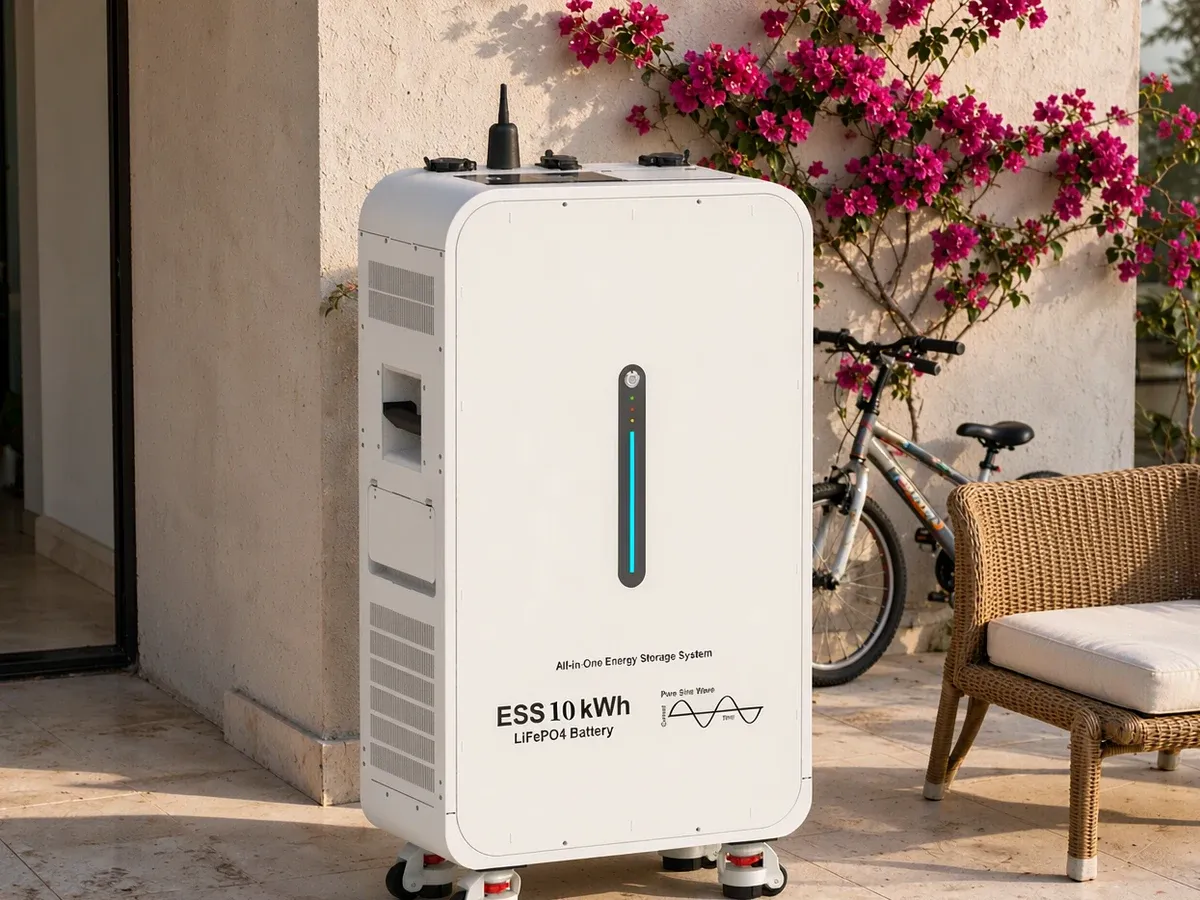
In hot, humid markets the operating-temperature range and the IP rating decide real life more than peak capacity does. Confirm the unit is rated for your climate, not a temperate lab, and that the enclosure resists the damp that kills electronics faster than heat alone. A battery that sweats through April is e-waste by year two, so this question is worth more than the headline kilowatt-hours on the front panel.
What lead time and minimum order should I expect?
From factory to your port, a unit or container runs in weeks, and customs can add more. Storage ships by volume, container loads rather than single units, so confirm the container minimum order and whether a mixed-SKU load is accepted before you promise a date to your own customers. Written lead time is a request, not a given; treat any verbal date as tentative until it is on paper.
Do I need rooftop solar for a home battery to pay back?
No. A battery works as backup and load-smoothing with no solar at all, which is why it sells in storm-prone and unstable-grid areas. Payback improves sharply once solar is on the roof, because stored self-generated energy beats grid top-up during an outage. Pairing the two is where most systems find their economics, but the battery is useful on day one without a single panel on the roof.
How do I verify the factory before I pay?
Request a working sample and run a pre-shipment inspection, then read every document character for character against your purchase order, because a report naming a different model than the one in your container is worthless. Confirm cell-grade traceability and a written after-sales response time in the contract, not in chat. A supplier who will not show a model-specific UN38.3 report or name their cells is telling you what you need to know. The method is confirmed; the response time is set per approved contract.
Copy-paste inquiry checklist
Send these five points to a supplier and judge the reply, not the brochure.
- Your daily essential load in watts, your typical outage hours, and your hottest-month average temperature.
- The UN38.3 test report and SDS issued for your exact model and batch, with the lab name and issue date.
- The container minimum order and a written lead time for your route.
- A working sample unit and a pre-shipment inspection before the container is booked.
- Confirmation of cell-grade traceability and an after-sales response time written into the contract.
Hand that list to our team and you get paperwork you can verify, not reassurance you have to take on faith.
Frequently asked questions
Is a bigger home battery always better? No. Oversizing wastes money on capacity you never use; size to your load plus the outage hours you must cover. A 10kWh unit that fits your evening beats a 20kWh unit half empty every night.
Can I install a home battery myself? Hire a qualified electrician. Wrong wiring voids the safety case and the documents, and a botched connection is the fastest way to turn a safe chemistry into a hazard in your own home.
Will one battery power my whole house? It depends on the load. Essential loads such as a fridge, fans, router, and lights, yes; whole-house air conditioning needs sizing to continuous output, not just stored kilowatt-hours.
How do I know a supplier is real and not a trader? Sample, inspect, and match the documents to the purchase order; a factory that resists a video call of the line or a model-specific certificate is a trader in disguise.
Talk to us before you book the container
The questions above are what separate a battery you trust from one you regret. Size to your real load and outage hours, demand model-specific safety documents, read cycle life at your temperature, and verify the factory on paper before you pay. Tell our team your city, load profile, and target size, and we will line up the unit and the documents your market actually requires.