Aug 28, 2026Residential ESS
Will a 10kWh Home Battery Last Through the Night?
Plan a 10kWh overnight backup window by measuring evening loads, startup demand, usable energy, reserve settings and morning recharge options.
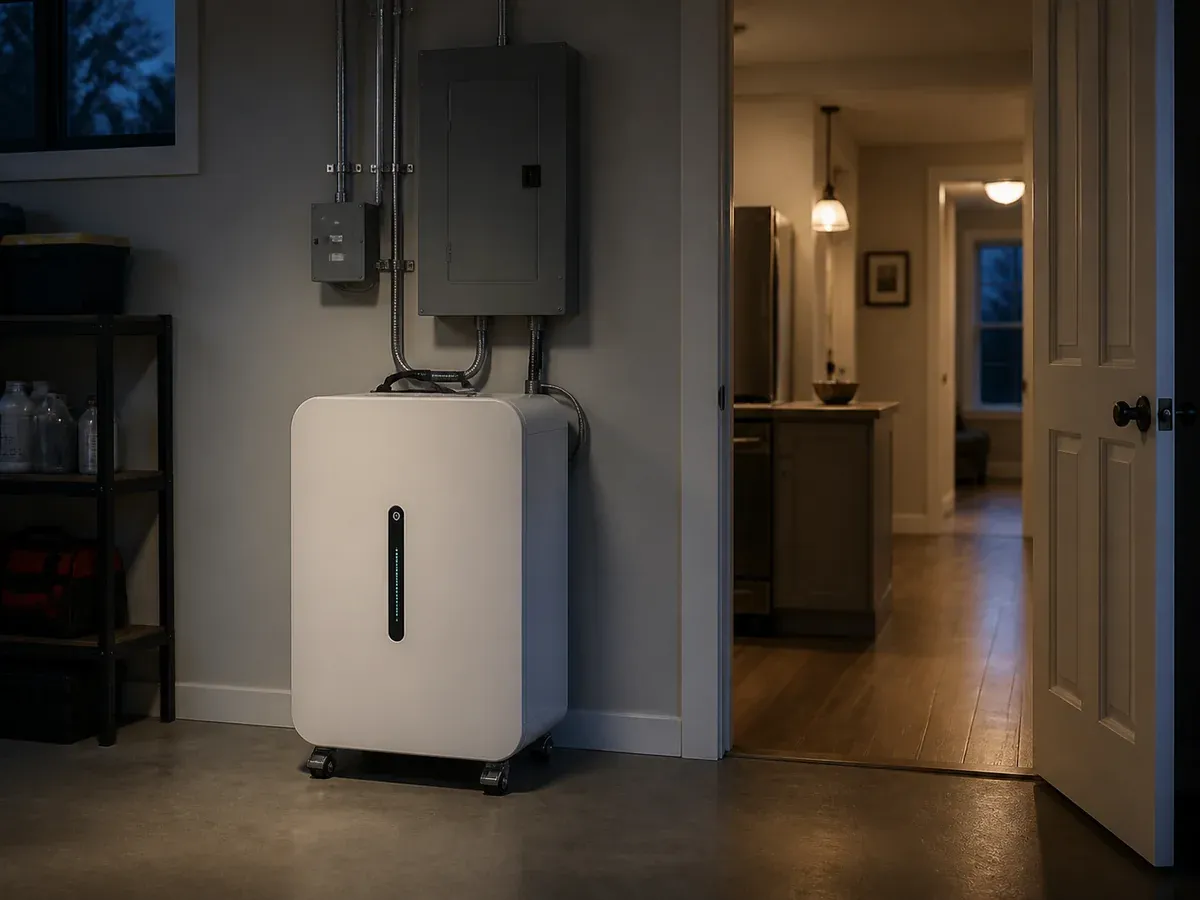
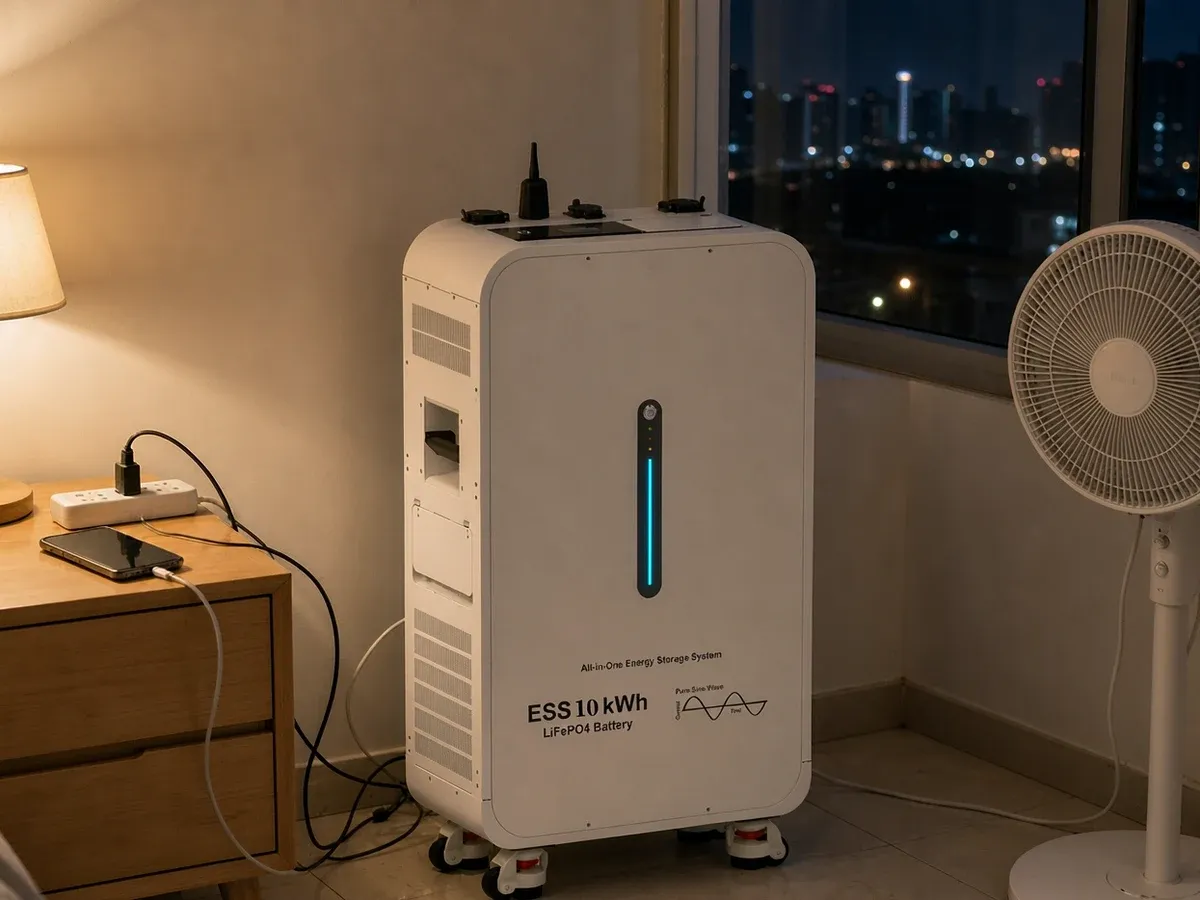
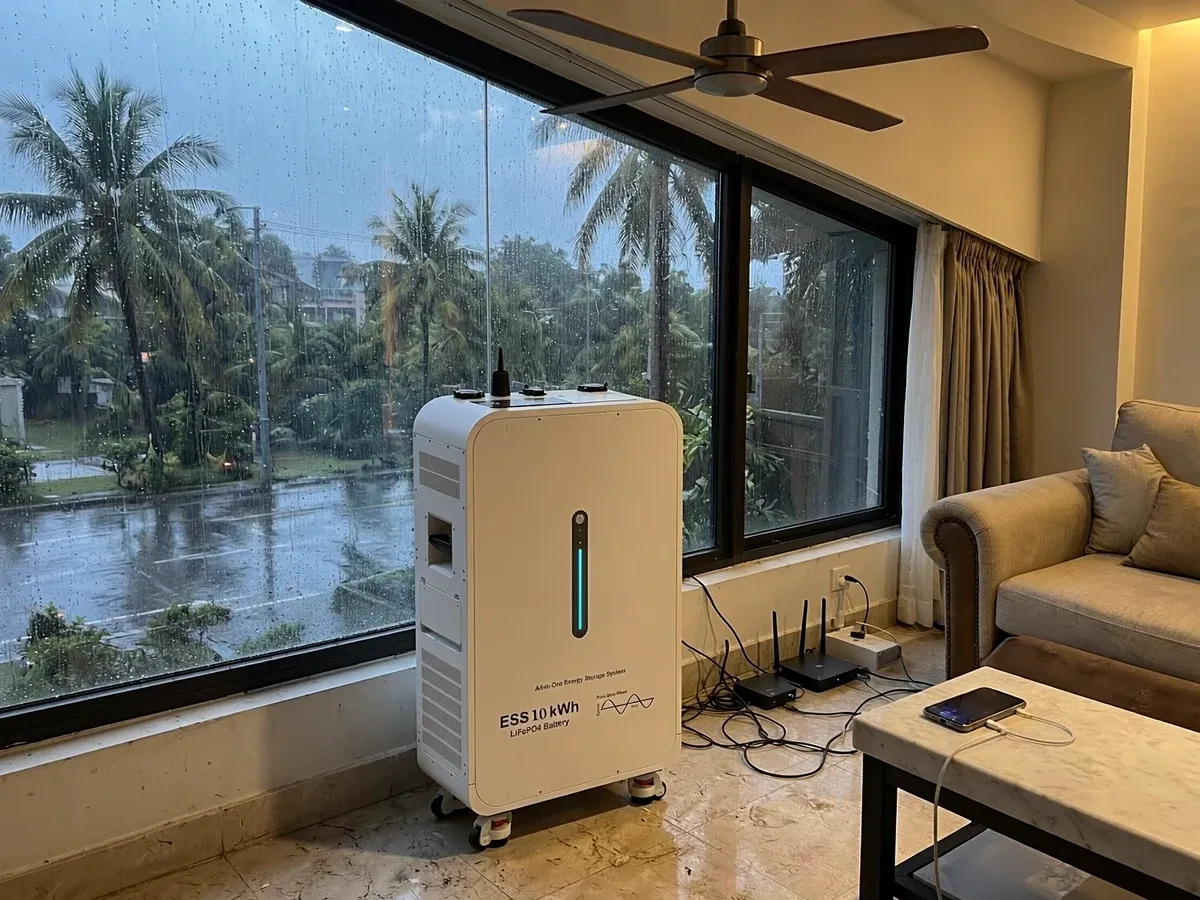
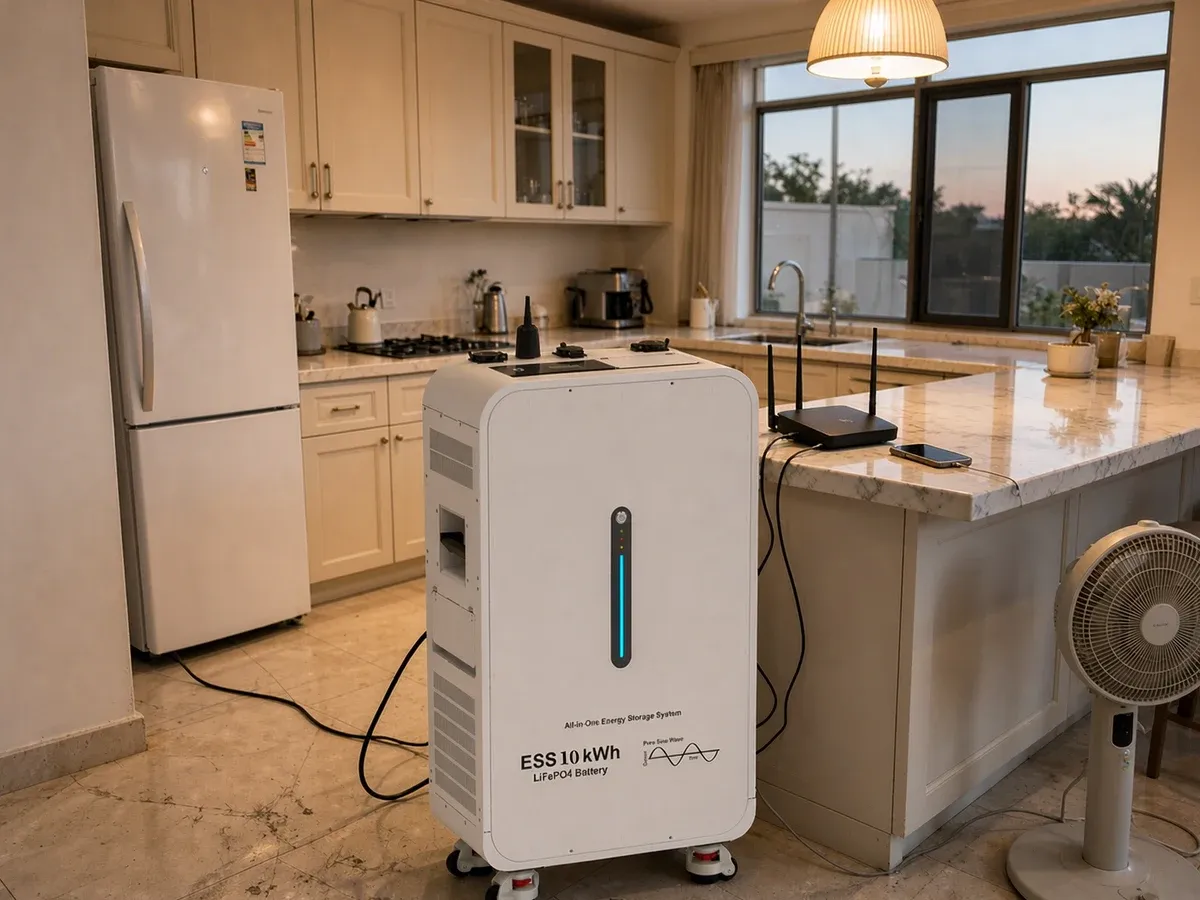
“Will 10kWh last all night?” is a good question wearing an incomplete outfit. It still needs the household load, usable energy, reserve setting and the definition of “night.”
For planning, choose a clear window—perhaps from the evening meal to the morning recharge opportunity. Then measure what runs during that period.
The evening load has three personalities
Always on: router, refrigerator, monitoring equipment and standby loads.
Intermittent: pumps, refrigeration compressors and appliances that cycle.
Negotiable: television, extra lighting, cooking equipment, heating and anything described as “only for five minutes.”
The negotiable group has impressive negotiating skills during an outage.
Energy and power are different checks
A 10kWh nameplate describes stored energy. The inverter data describes how much power can be delivered continuously and during short surges. A system can have enough energy for the night but still trip when several high-demand loads start together.
Runtime planning
Estimated hours = confirmed usable energy ÷ average combined load
Use measured load data. Allow for conversion losses, reserve settings, temperature and battery-management limits. Do not use the full nameplate figure as guaranteed usable energy unless the current documentation explicitly supports that assumption.
Three overnight plans
Essential: refrigeration, communications, selected lights and verified critical equipment.
Comfort: essential loads plus carefully chosen entertainment or ventilation.
Whole-home attempt: everything remains enabled. This often creates the highest inverter requirement and the least predictable runtime.
For many homes, an essential-load panel is the cleaner choice. It turns “the whole house” into a list that an installer can actually measure.
What to measure before the quote
• Evening and overnight average load
• Startup demand for compressors and pumps
• Required morning reserve
• Existing solar and inverter details
• Grid availability and recharge window
• Installation temperature and location
When 10kWh is worth evaluating
It is a sensible discussion point when 5kWh leaves too little overnight margin but the buyer does not need the larger load plan associated with a 16kWh system. The final selection must still match the exact inverter, usable-energy and site data.
The useful inquiry
Instead of “How many hours?”, send a 24-hour load profile or at least a measured evening snapshot. Add the essential-circuit list, desired reserve, local voltage, destination market and installation photos. That gives the supplier something better than a crystal ball.
Review the LinkPower 10kWh all-in-one home battery:
https://www.linkpoweress.com/products/10kwh-all-in-one-home-energy-storage