Aug 19, 2026Residential ESS
How to Evaluate an Energy Storage Manufacturer Before a Bulk Order
A practical checklist for evaluating an energy storage manufacturer by model traceability, factory capability, product data, documentation, customization and sample validation.
Choosing an energy storage supplier requires more than comparing a product photo and a price. A distributor, EPC or project buyer needs evidence that the quoted model, factory capability, specification, documents, customization plan and shipment all refer to the same deliverable product.
This checklist provides a source-based way to evaluate an energy storage manufacturer before a sample order or bulk purchase.
1. Confirm the Company and Product Scope
Start with the legal company name, operating history and the product categories the supplier actually manufactures or integrates.
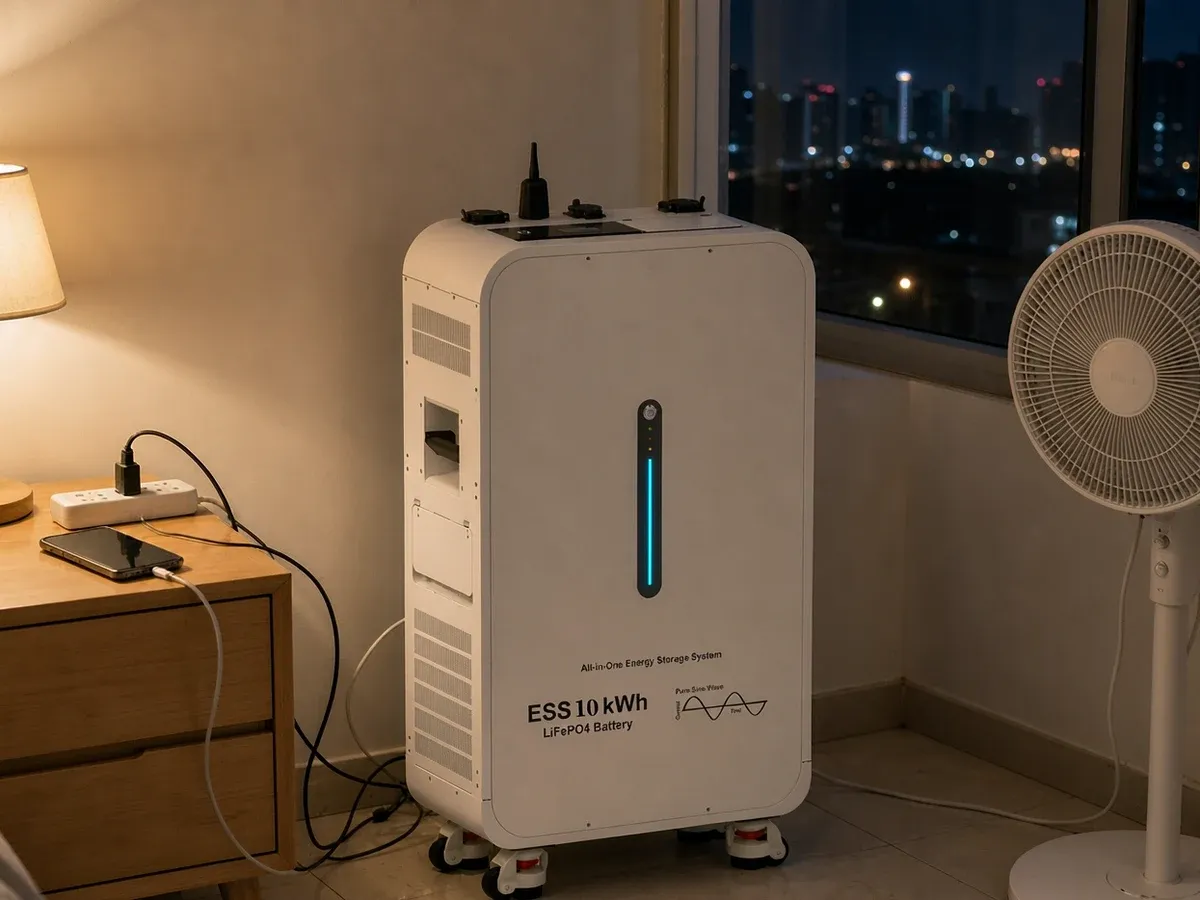
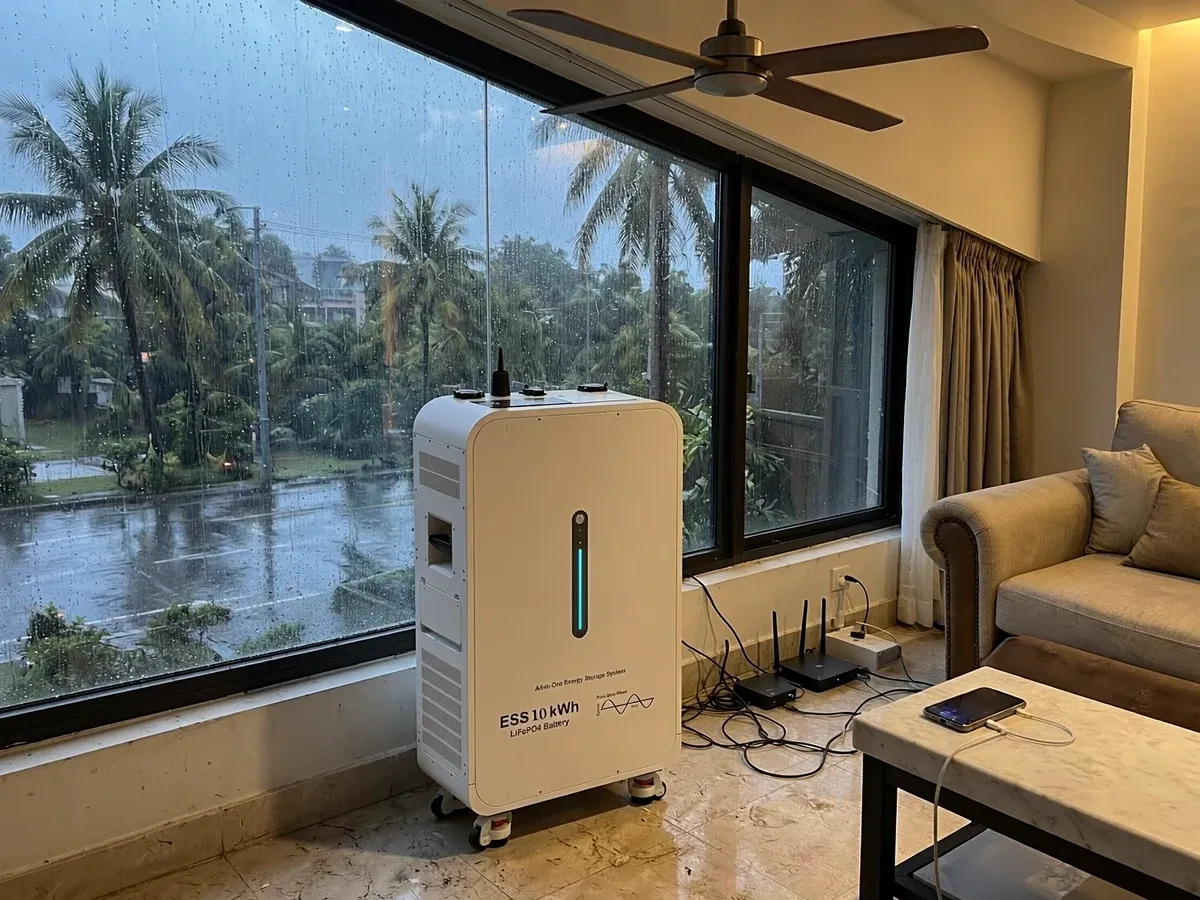
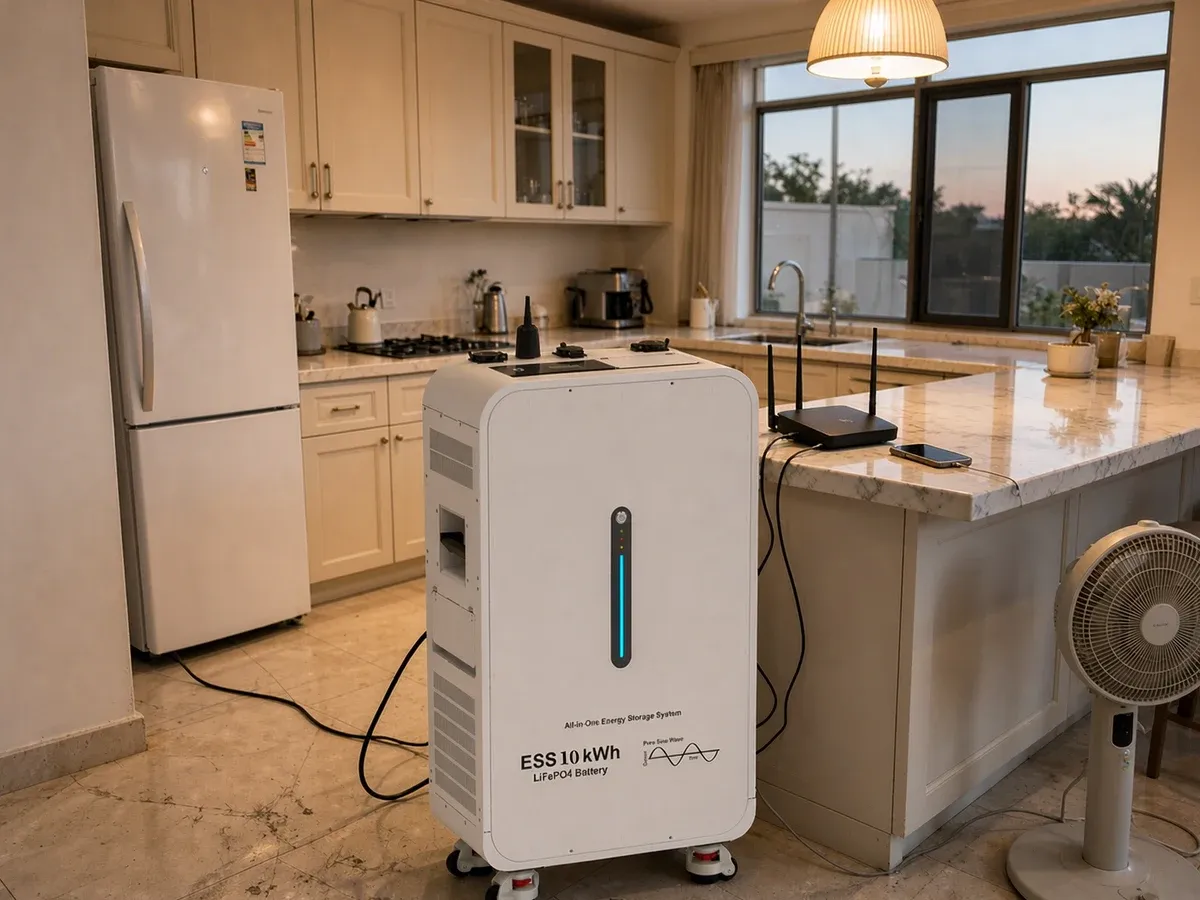
The supplied LinkPower catalog states that LinkPower Technology Co., Ltd. was established on May 1, 2021 and works across energy storage systems, solar solutions and related accessories. The user-provided company constraint is to describe the production area as more than 5,000 square metres.
For any supplier, request evidence that connects the company to the factory and the quoted products. A broad company profile is helpful, but it does not replace model-specific technical and production evidence.
2. Bind Every Claim to an Exact Model
Avoid quotations that use only generic descriptions such as "home battery" or "industrial storage cabinet."
A model-specific quotation should align:
- Product model code
- Datasheet revision
- Product images
- Battery configuration
- Inverter or PCS data
- Ports and connectors
- Dimensions and weight
- Label artwork
- Manual
- Packing specification
- Applicable documents
If one document refers to a different model, ask the supplier to reconcile the mismatch before commercial approval.
3. Review the Factory Capability Relevant to Your Order
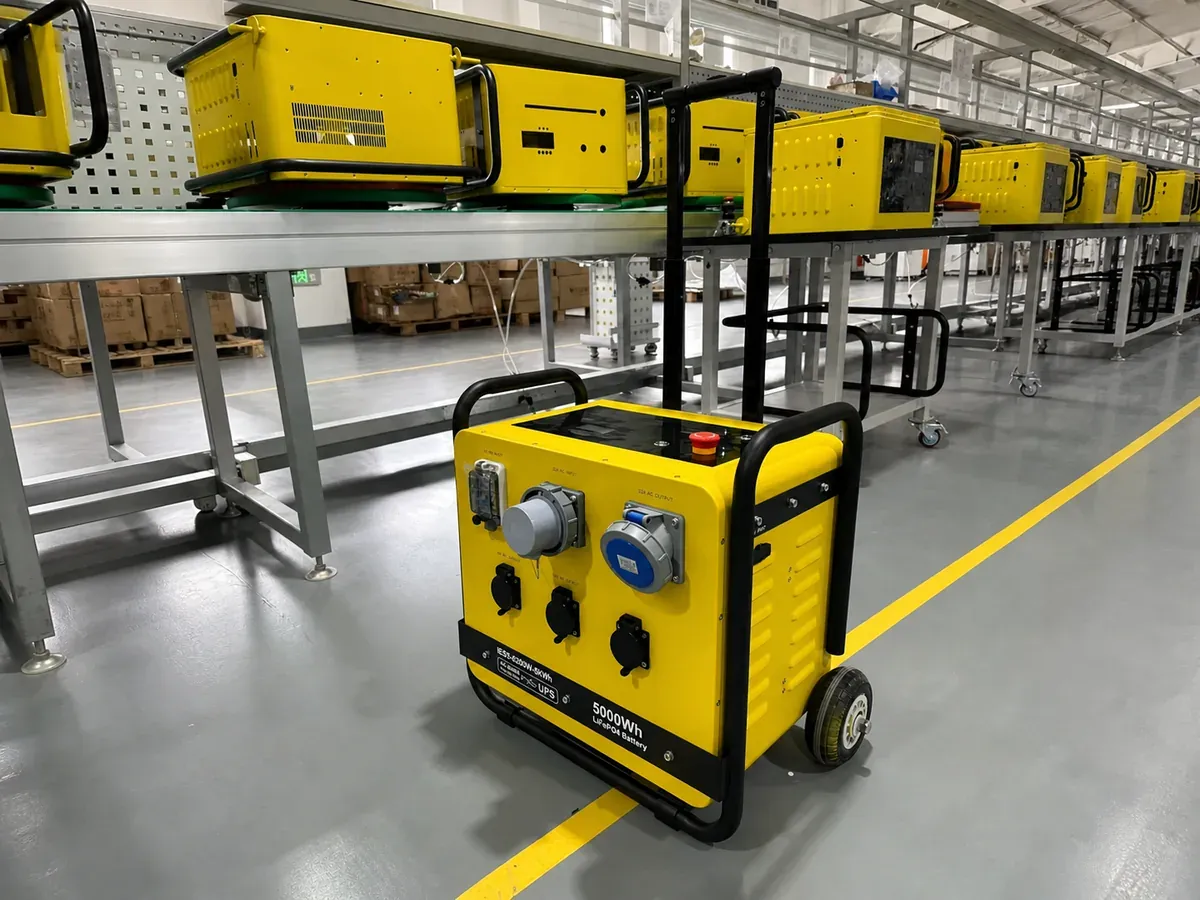
Factory area is only one indicator. Buyers should also review the production steps and controls that apply to the exact product.
Ask for:
- The assembly and testing flow
- Incoming-material inspection points
- Battery and electrical test equipment
- In-process quality records
- Final inspection criteria
- Non-conformance handling
- Model and serial-number traceability
- Capacity planning for the proposed quantity
The LinkPower source package supports a
5,000+ m² description and states that the company provides R&D, manufacturing, global export and OEM/ODM services. The production schedule for a specific order still needs a written commercial commitment.4. Evaluate the Technical Specification, Not Just the Capacity Label
For portable and residential systems, compare battery chemistry, stored energy, voltage, inverter output, charging input, output ports, cycle conditions, operating range, dimensions and weight.
For C&I cabinets, add rated system voltage, voltage range, current limit, thermal control, IP rating, fire-suppression method, auxiliary power, footprint and lifting weight.
When a value is absent, mark it as an open item. Do not assume that two products share the same specification because their cabinets look similar.
5. Check Documentation Applicability
The supplied catalog lists documentation or standards areas including MSDS, IEC 62133, UN38.3, UL1642, CE and IMDG/DGD.
This list should be treated as a document-review starting point, not as a blanket statement that every document applies to every model and market. Before ordering, confirm:
- Exact model covered
- Report or document number
- Issuing body or laboratory where applicable
- Revision and validity date
- Destination-market relevance
- Shipping-method relevance
- Whether the product label and construction match the reviewed sample
If document images are shown publicly, display only the information needed to describe the document scope and keep the representation accurate. Commercially sensitive or identity-specific details should be redacted before publication.
6. Define Customization Boundaries
The LinkPower catalog describes OEM/ODM services. A useful customization request should state exactly what needs to change and what must remain fixed.
Possible request areas include:
- Exterior color and branding
- Label and manual language
- Plug and socket format
- Packaging artwork
- Communication interface
- Product configuration within an approved platform
Ask which changes require a new sample, engineering review, document update or additional validation. Do not assume that every requested change is available or that an existing document automatically covers a modified product.
7. Validate a Sample Before the Bulk Order
Create a written sample-acceptance checklist. At minimum, compare the physical unit against the approved quotation and datasheet.
Record:
- Model and serial labels
- Dimensions and weight
- Ports, connectors and accessories
- Basic charging and output behavior under an agreed plan
- Display, controls and alarms
- Manual and packaging
- Surface condition and workmanship
- Any agreed branding or customization
Photograph the accepted sample and keep the acceptance record linked to the purchase order.
8. Clarify Commercial Information Separately
Technical content should not invent price, minimum order quantity, lead time, warranty period or payment terms. Those fields belong in a current supplier quotation or contract.
Ask for a written commercial offer that identifies the exact model, quantity, Incoterm, production lead time, payment schedule, packing, warranty terms and validity period. If the commercial offer and technical package conflict, resolve the conflict before payment.
9. Plan Pre-Shipment Verification
Before shipment, check the production quantity, model labels, packing marks, accessories and the agreed quality records. For lithium battery products, confirm that the shipment documentation matches the exact goods and shipping method.
The objective is traceability from the approved sample to the packed order.
Supplier Evaluation Scorecard
Area | Evidence to request | Decision question |
|---|---|---|
Company scope | Company and factory information | Does the supplier's real scope match the order? |
Model identity | Quotation, datasheet, label, manual | Do all documents refer to the same product? |
Factory capability | Process and quality-control evidence | Can the factory control this model and quantity? |
Technical fit | Model-specific specification | Does the product match the project requirements? |
Documentation | Applicable current reports and transport documents | Are documents relevant to the model and market? |
Customization | Written scope and validation plan | Are requested changes controlled and testable? |
Sample | Acceptance record | Does the sample match the approved package? |
Commercial terms | Current quotation or contract | Are price, quantity, timing and warranty explicit? |
Shipment | Pre-shipment and packing evidence | Do the packed goods match the approved order? |
For a source-backed residential model example, review the LinkPower 5kWh All-in-One Home Energy Storage System.
Prepare a Better Supplier Inquiry
Send LinkPower the destination market, product category, target model or capacity, application, required quantity, customization scope, documentation requirements and delivery target. Missing commercial terms should be confirmed in the formal quotation rather than added to public website content.