Can You Add More Home Battery Capacity Later?
“Expandable” is not a universal promise. Check battery generations, BMS limits, inverter compatibility, space and commissioning before planning a later upgrade.
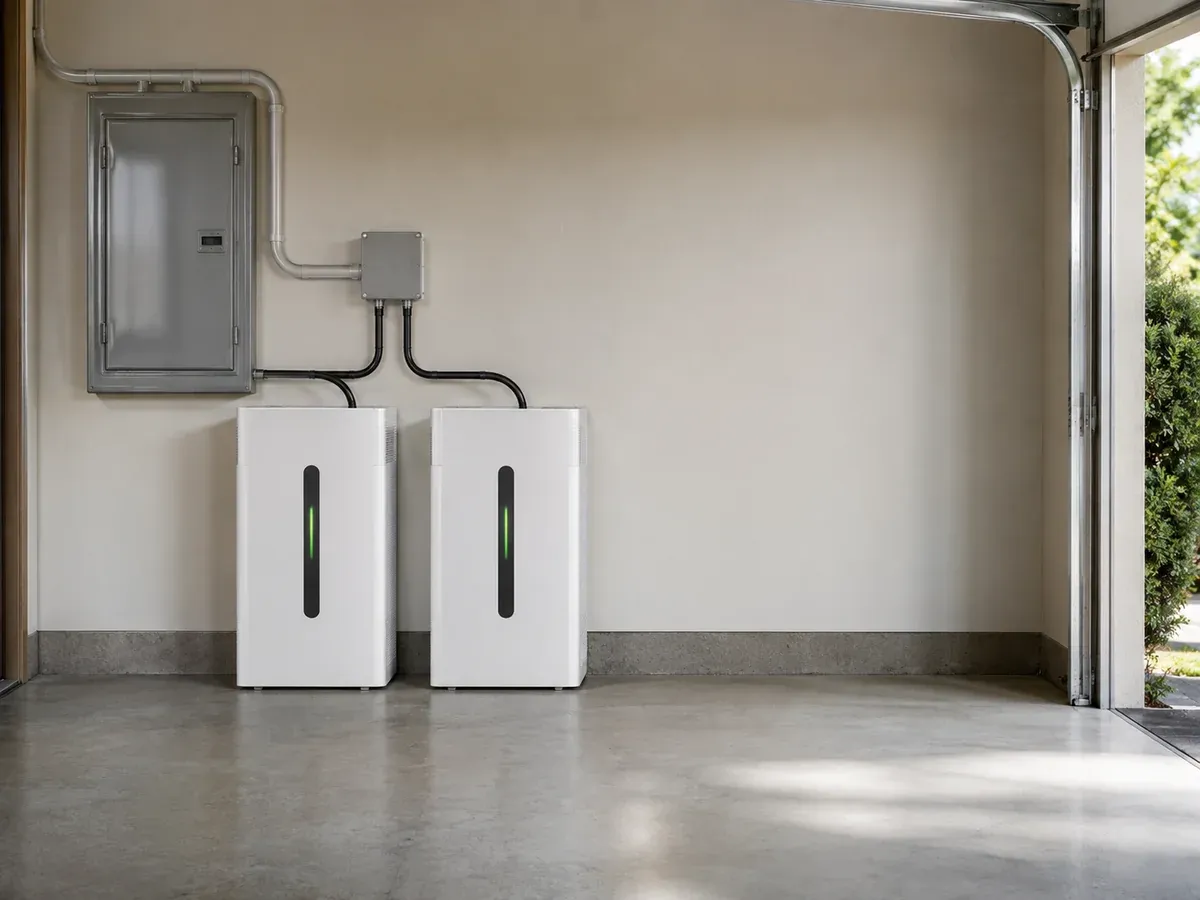
“I'll buy one battery now and add another later” sounds wonderfully tidy. Sometimes it is. Sometimes the second battery arrives and discovers that the first one speaks an older dialect.
Capacity expansion should be planned at the first quotation, even if the extra hardware will be purchased later.
Expandable does not mean mix anything with anything
Confirm the exact battery model, hardware revision, BMS version, supported parallel configuration and inverter compatibility. Products with similar cabinets or nominal voltage may still have different communication, protection or commissioning requirements.
Ask the supplier to state in writing which combinations are supported. “It should work” is not a commissioning document.
Battery age and state matter
An older battery and a new battery may not behave identically. Cell age, usage history, state of health and firmware can affect whether expansion is permitted and how it should be commissioned. Never assume that adding capacity is simply a matter of connecting another cable.
Six checks before reserving an upgrade path
- Supported quantity: What is the allowed number of units in the exact configuration?
- Model and revision: Must all battery modules match?
- BMS communication: Which protocol, addressing and cable arrangement are required?
- Inverter limits: Can the inverter and protection equipment accept the planned bank?
- Physical space: Is there clearance, access and structural support for another unit?
- Commissioning plan: Who will update firmware, balance the system and verify operation?
Plan the room as carefully as the battery
Leave appropriate working clearance, cable routes and access to isolators. Do not reserve a rectangle on a drawing that later becomes a shelf, a parked bicycle or the family's mystery-box archive.
Compare the two purchasing paths
- Full capacity now: matched equipment and one commissioning event, but higher initial cost.
- Later expansion: lower initial hardware purchase and more flexibility, but compatibility and additional labor must remain available.
Ask for the current compatibility matrix, supported parallel limits, installation clearances, firmware policy and later-expansion procedure.
Compare LinkPower home energy storage products, then send the present load profile and future expansion target for configuration review.