Sep 7, 2026Residential ESS
Home Battery Backup Reserve vs Self-Consumption: Which Setting Wins?
Compare home battery backup reserve and self-consumption settings using outage risk, essential loads, tariffs and recharge planning.
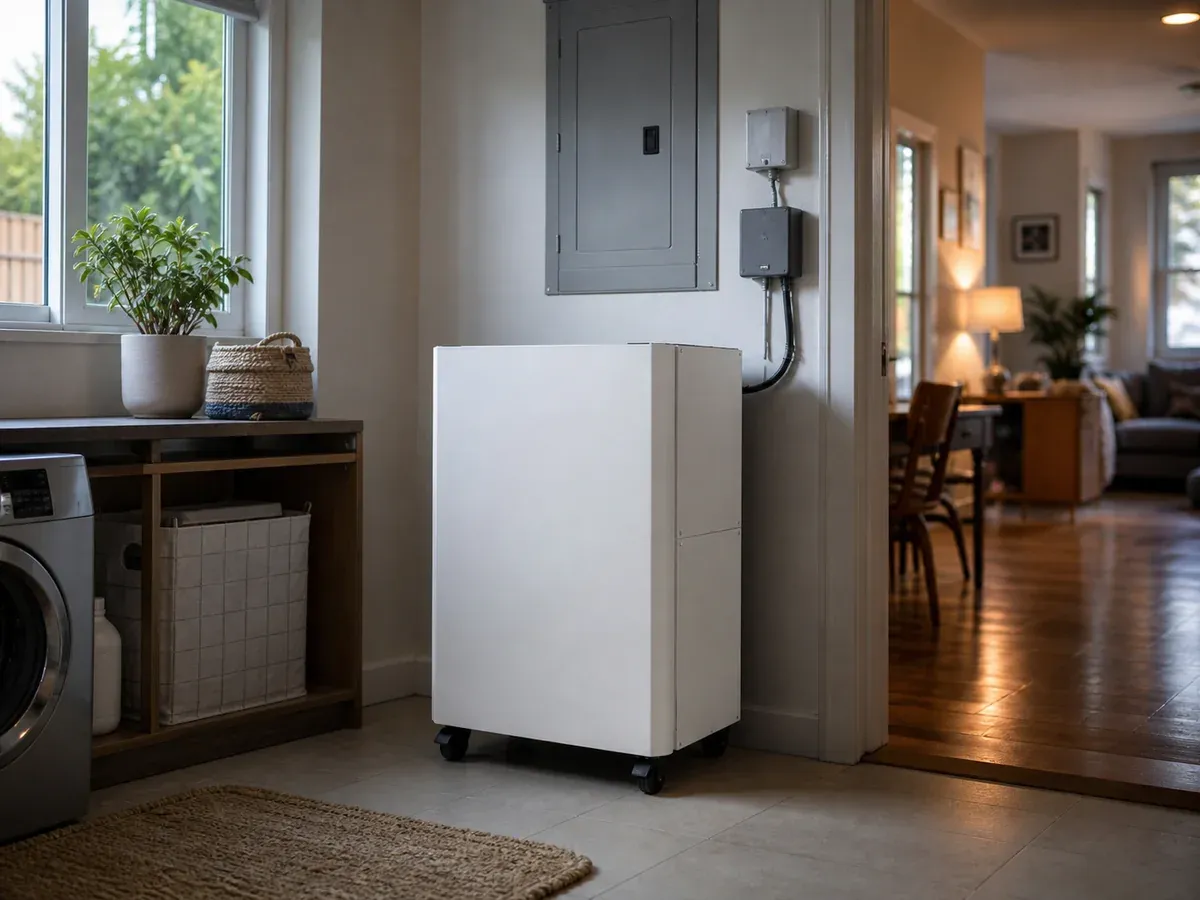
A home battery cannot spend the same stored kilowatt-hour twice. That sounds obvious, yet it is the reason many systems disappoint: the battery is told to maximize solar self-consumption all day, then expected to be full when the grid fails at dinner.
The useful question is not “Which mode is best?” It is “What must the battery still be ready to do tonight?”
What backup reserve actually means
Backup reserve is the minimum state of charge the system tries to keep for an outage. A higher reserve gives the household a larger emergency buffer, but leaves less battery capacity available for everyday solar shifting or time-of-use operation.
A lower reserve does the opposite. It lets the battery work harder during normal grid operation, but may leave less stored energy when an unplanned outage begins.
Neither choice is automatically smart or foolish. The right setting depends on outage risk, essential loads, recharge opportunities and the homeowner’s tolerance for uncertainty.
Three operating priorities buyers should separate
1. Backup-first
Choose a larger reserve when outages are frequent, restoration times are uncertain, or essential loads cannot easily be reduced. The battery spends more time waiting. That can feel wasteful on a normal day, but readiness is the job.
2. Self-consumption-first
Choose a lower reserve when the main goal is to use more daytime solar after sunset and the grid is generally reliable. This mode needs a realistic evening load profile; otherwise the battery may empty earlier than expected.
3. Tariff-first
Some projects charge or discharge around time-of-use prices. Before using this strategy, confirm the local tariff, export rules, control capability and whether the backup reserve remains protected.
A practical setting checklist
Before changing a percentage in an app, write down:
- the loads that must continue during an outage;
- their typical watts and hours of use;
- large startup loads such as pumps or compressors;
- the longest outage worth planning for;
- whether solar can recharge the battery while islanded;
- seasonal differences in solar production;
- whether the household receives storm or outage warnings;
- who is allowed to change the operating mode.
The last point matters more than it looks. A technically perfect setting is not very useful if nobody in the house understands why it changed.
A simple decision table
Use case | Better starting direction | What to verify
Frequent outages | Higher backup reserve | Essential loads and recharge path
Reliable grid, high evening use | More self-consumption capacity | Evening load profile and tariff
Storm season | Temporarily raise reserve | Forecast, outage history and solar availability
Time-of-use program | Scheduled operation with protected reserve | Utility rules and controller support
Second home | Conservative reserve and remote alerts | Internet fallback and local service access
These are starting directions, not universal percentages. Battery capacity, inverter limits, local rules and software behavior still have to be checked for the actual system.
Where capacity enters the conversation
A 5kWh-class system may suit a focused essential-load plan, while larger residential systems can support a wider load list or longer backup window. Capacity alone does not answer the question. The inverter must also handle the loads that run at the same time, including startup demand.
Review LinkPower residential storage options here:
https://www.linkpoweress.com/products/5kwh-residential-battery-backup-systemhttps://www.linkpoweress.com/products/10kwh-all-in-one-home-energy-storagehttps://www.linkpoweress.com/products/16kwh-premium-energy-storage-for-villas
What to send for a useful recommendation
A good enquiry is short but specific. Send your country, electrical phase, solar status, essential-load list, typical outage duration and preferred operating goal. If available, add one recent electricity bill and a photo of the distribution board.
LinkPower can then discuss a suitable residential ESS direction without pretending that one reserve setting fits every home.