Sep 4, 2026Residential ESS
Home Battery Warranty Questions Buyers Should Ask Before Ordering
Use these home battery warranty questions to compare coverage, operating conditions, service process, documentation and responsibilities before ordering.

A home battery warranty can be ten pages long and still leave the buyer with one practical question: who do I call when the system behaves strangely on a Friday evening?
Warranty length matters, but it is only the headline. Coverage conditions, service route, documentation and responsibility between the battery, inverter and installer decide how useful that promise is in the real world.
Ask what is actually covered
Request the current warranty document for the exact model and destination market. Confirm whether it covers the battery, inverter, control equipment, accessories and labor, or only selected components.
Do not assume every item in an all-in-one system follows the same terms. Ask separately.
Understand the operating conditions
Warranty coverage may depend on correct installation and use. Check requirements involving:
• Permitted temperature and environment
• Approved mounting location
• Charging and discharge settings
• Compatible equipment
• Internet or monitoring connection
• Firmware updates
• Inspection and maintenance
• Storage conditions before installation
If a condition is important, it should appear in the installation and handover paperwork—not live only in somebody's memory.
Capacity coverage needs plain language
Battery performance changes with use, age, temperature and operating settings. Ask how capacity retention is defined and tested, what reference conditions apply and what evidence is required for a claim.
Avoid turning a technical definition into a marketing sentence. “The battery still works” and “the battery meets the warranty threshold” are not always the same statement.
Map the service route before there is a problem
Buyers should know:
- Who receives the first support request?
- What serial numbers, logs, photos or test results are needed?
- Can remote diagnosis be performed?
- Who is qualified to inspect the installation?
- Who pays for removal, transport and reinstallation if required?
- What happens when the installer and equipment supplier are different companies?
- Are replacement parts or complete units used?
- How are discontinued models handled?
The answer “contact support” is a direction, not a process.
Keep the handover pack
The owner should receive the latest manuals, warranty document, commissioning record, system settings, serial numbers, photographs, circuit labels and installer contact details. Store a digital copy somewhere more memorable than “that phone I replaced two years ago.”
For distributors and installers
Agree on the claim workflow before the first order. Confirm required evidence, regional support responsibilities, spare-parts strategy and communication times. A clear service process can be more valuable than one extra line in a brochure.
What to send for a warranty discussion
Provide the exact product model, quantity, destination market, intended installation environment and planned system configuration. Ask for current official documents rather than copying terms from another capacity or region.
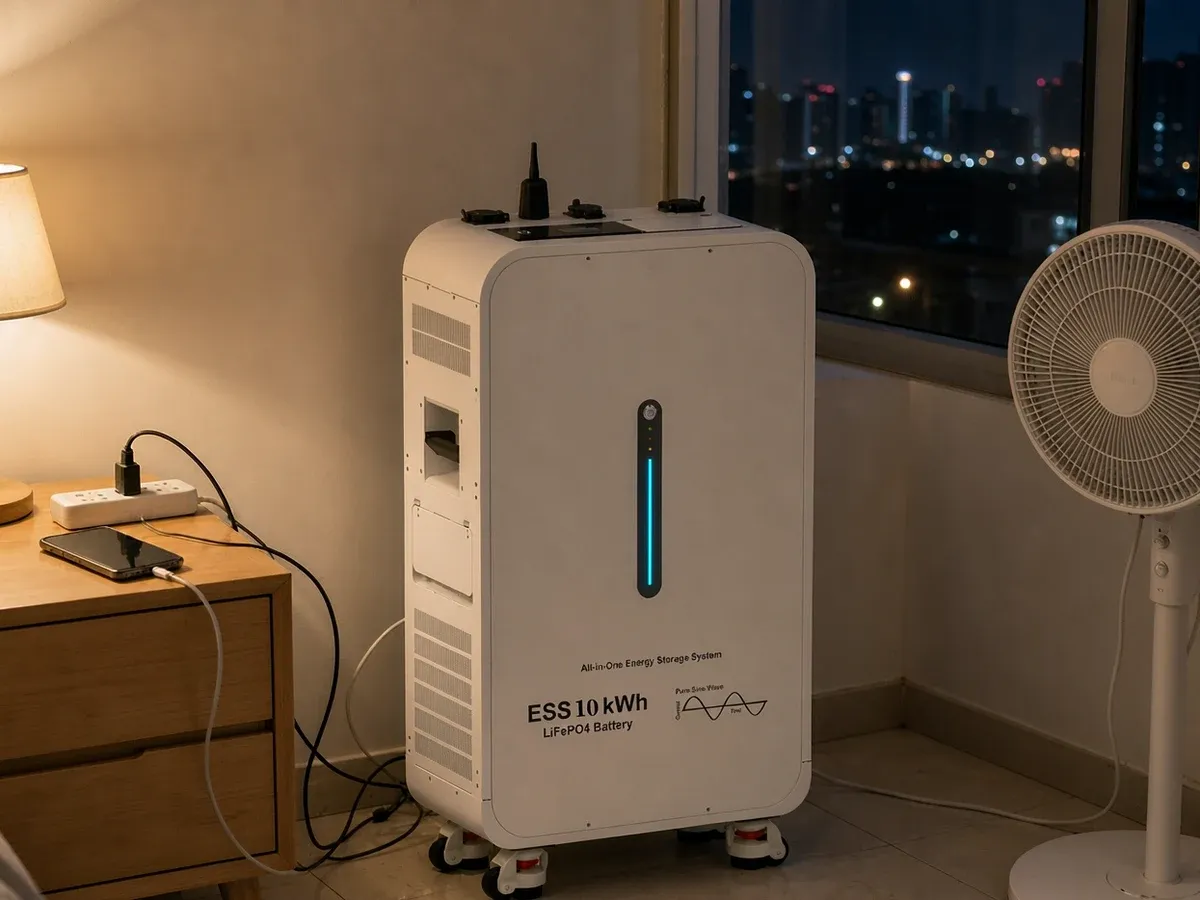
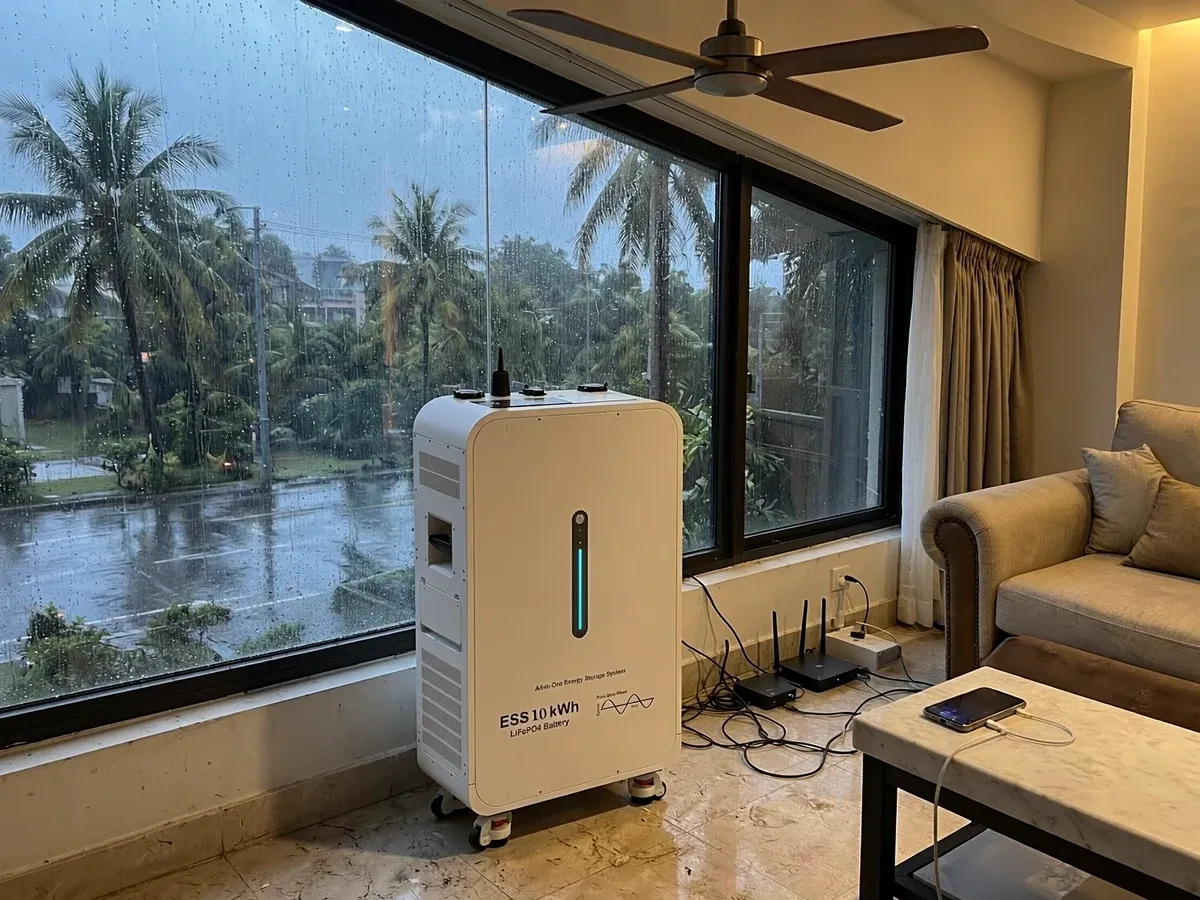
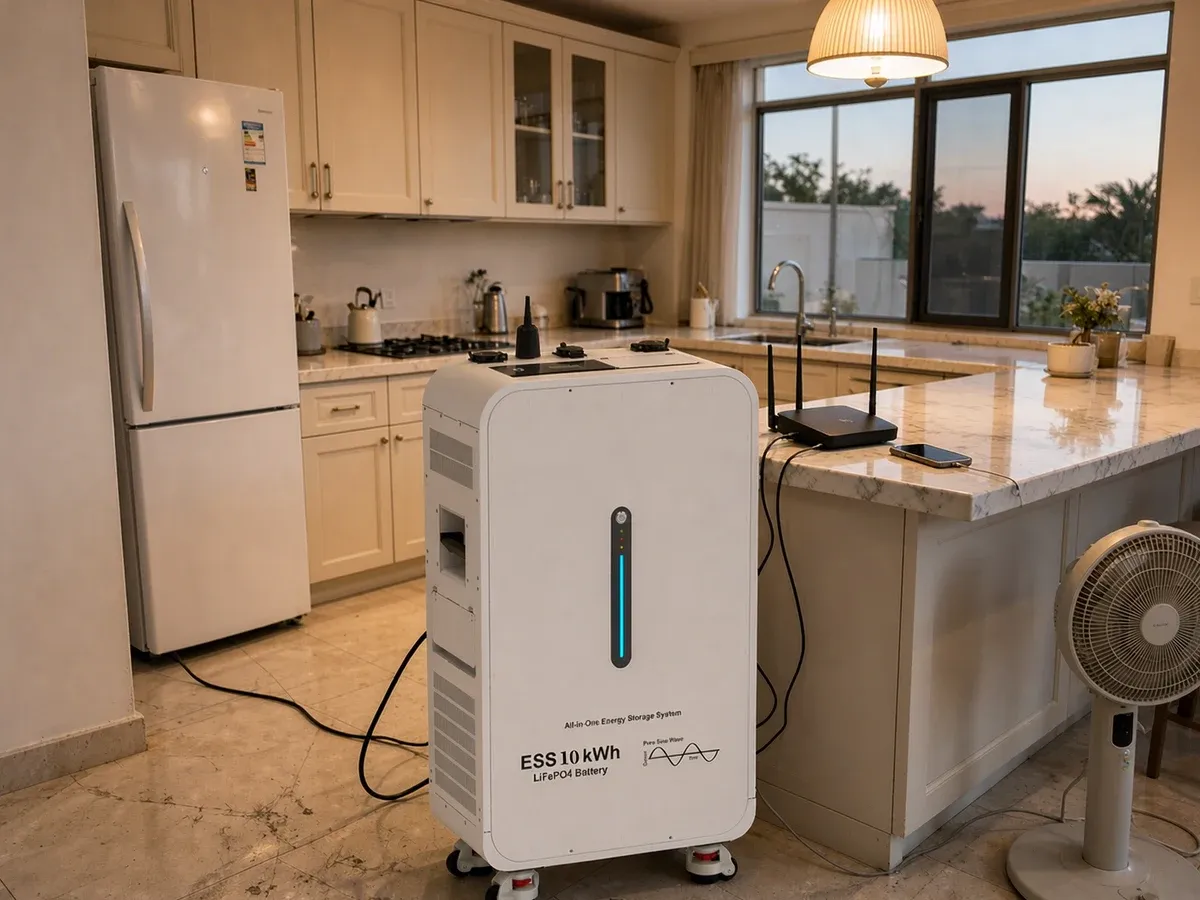
Review the LinkPower 10kWh all-in-one home energy storage system:
https://www.linkpoweress.com/products/10kwh-all-in-one-home-energy-storage
Request current product and warranty information from LinkPower:
https://www.linkpoweress.com/contact-us