Sep 1, 2026Residential ESS
Portable Battery or Fixed Home ESS? Four Buyer Profiles
Match portable batteries and fixed home energy storage to four real buyer profiles using loads, mobility, backup duration, installation and service needs.
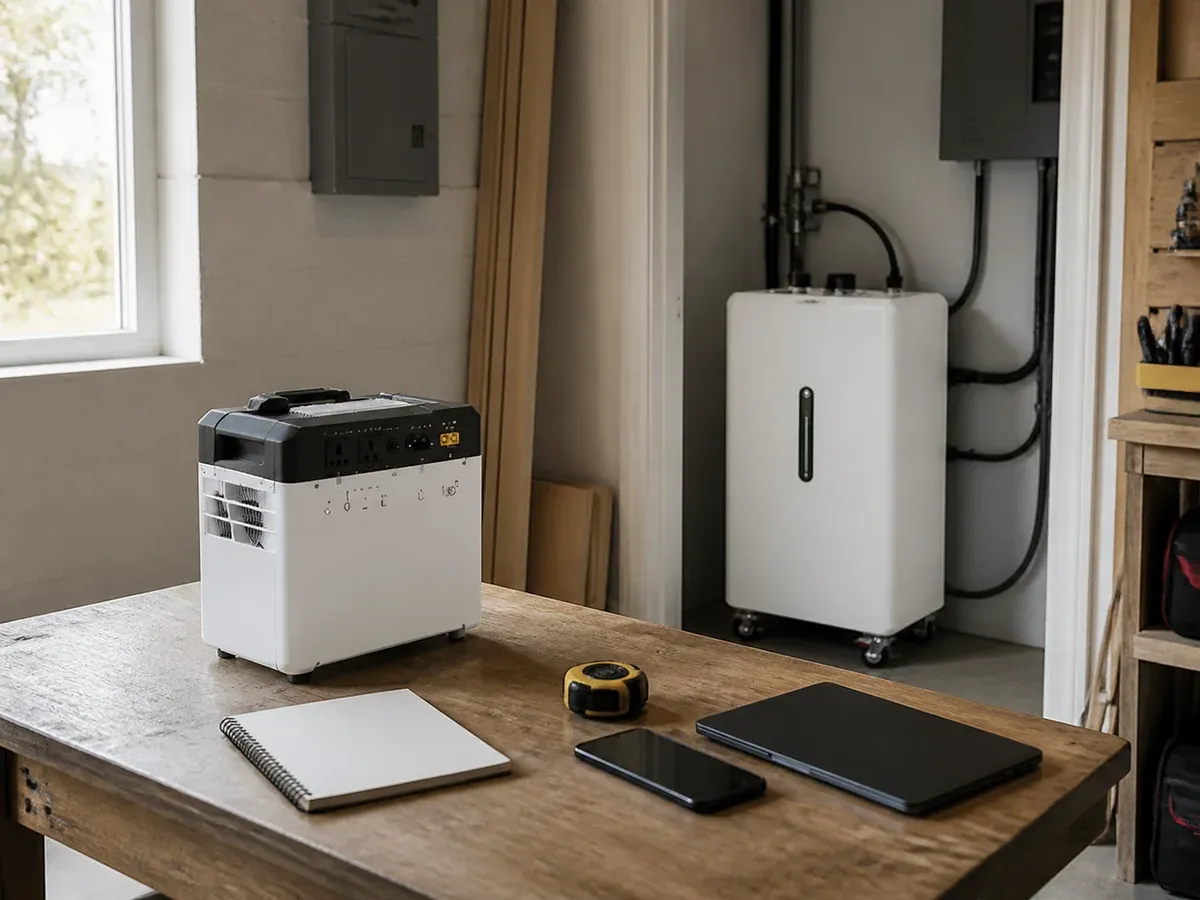
Portable battery or fixed home ESS? The answer depends less on which product looks heroic and more on how the buyer behaves during a power cut.
Meet four buyer profiles.
Profile 1: The laptop lifeboat
Needs internet, laptop charging, lights and phones for a few hours. Values portability and simple setup. A compact 1kWh or 2kWh solution may be worth evaluating after checking output and runtime.
Profile 2: The selected-load household
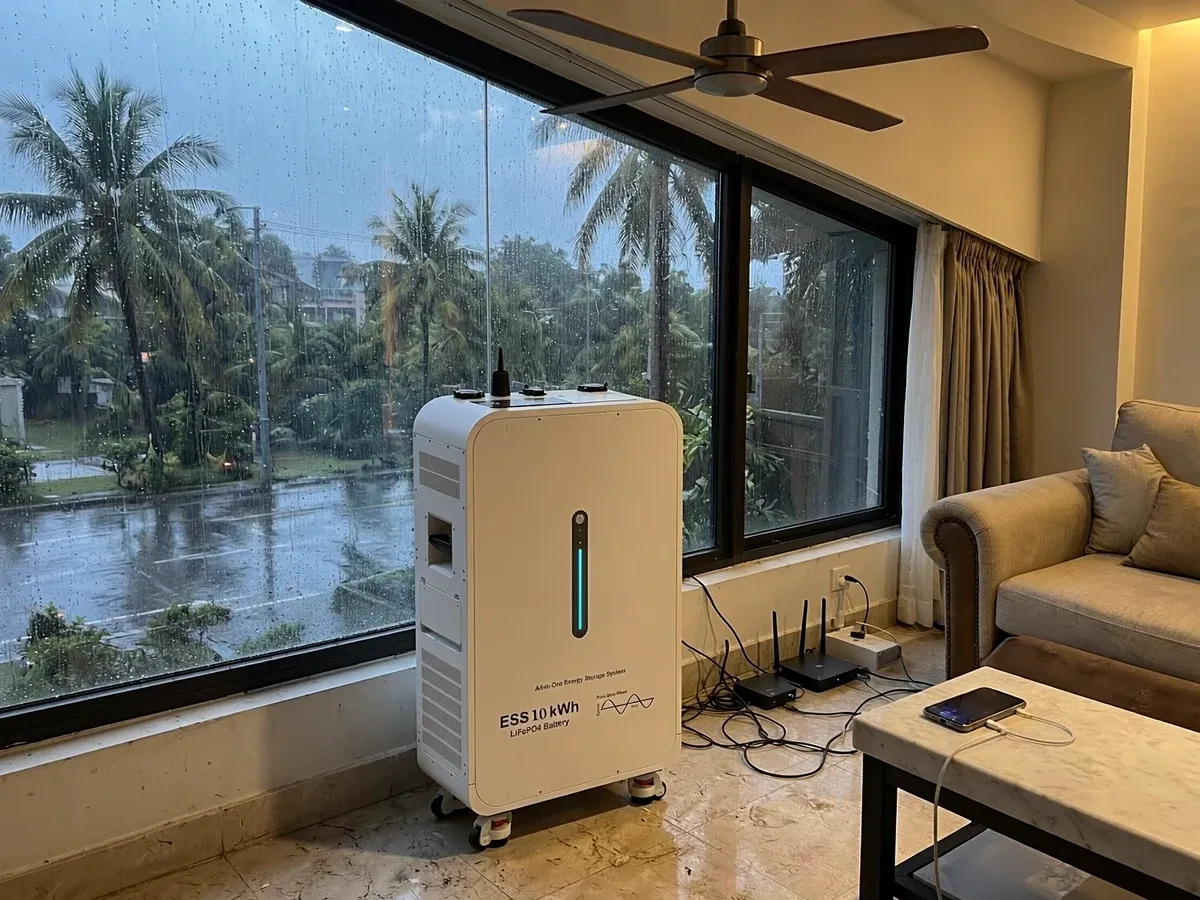
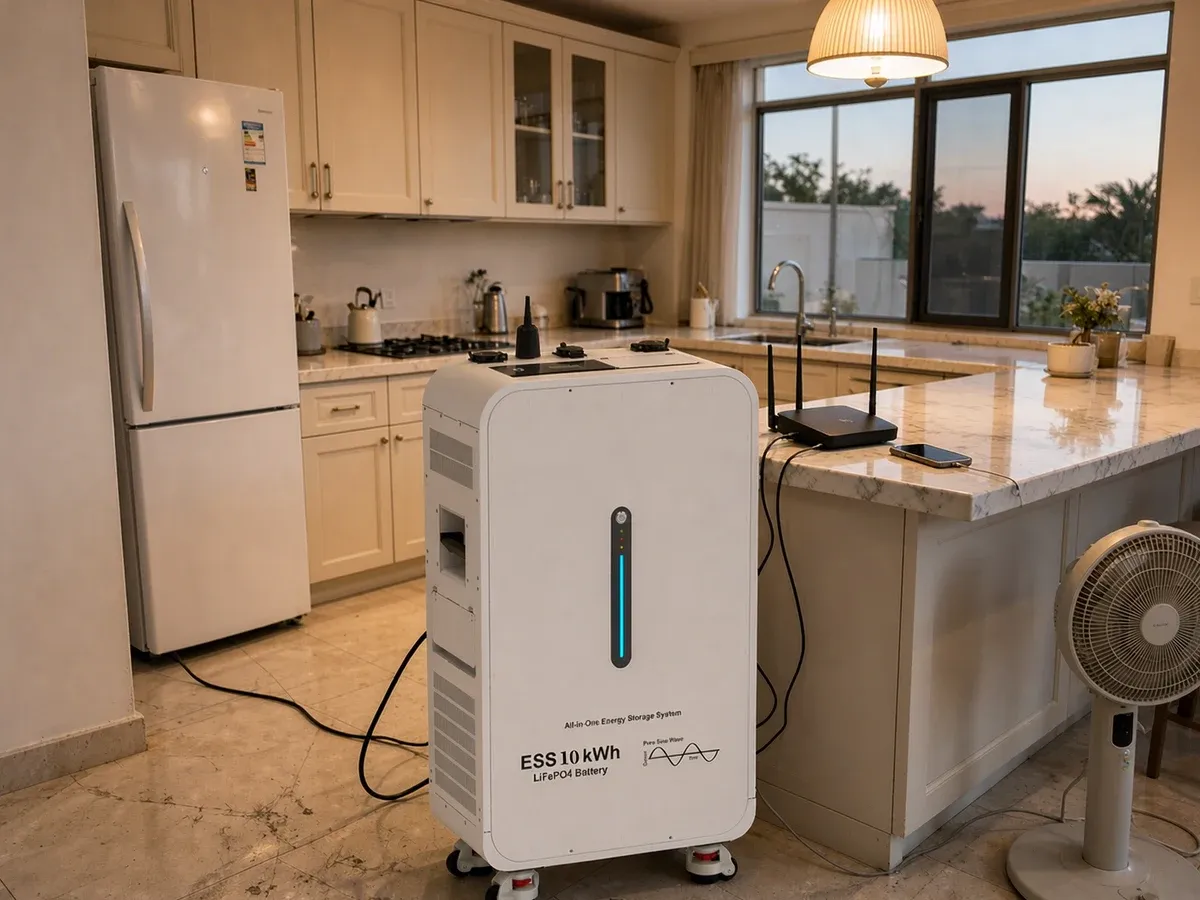
Wants refrigeration, communications, lighting and chosen outlets on a planned backup circuit. A 4kWh or 5kWh system can enter the conversation, depending on measured loads, startup demand and recharge opportunity.
Profile 3: The overnight planner
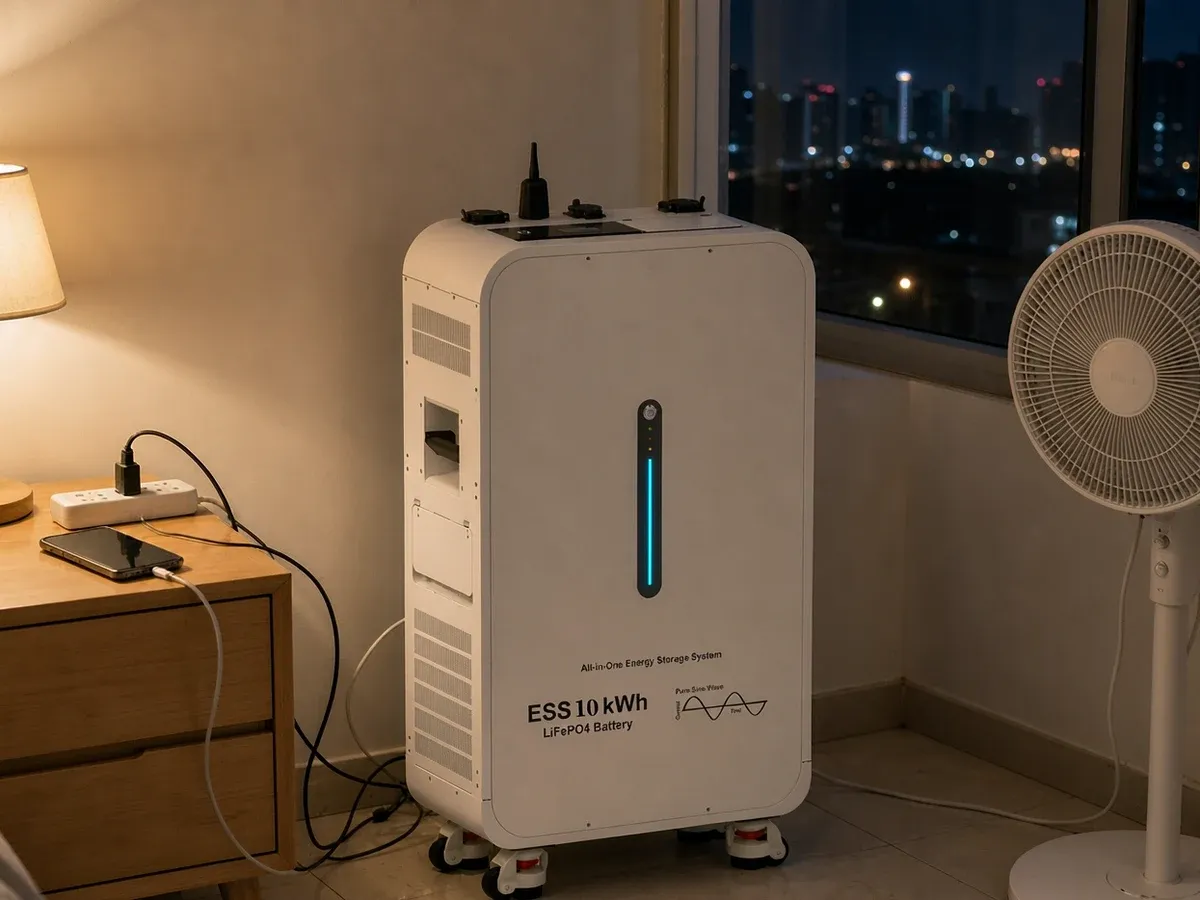
Needs a defined evening-to-morning window and accepts load prioritization. A 10kWh system may offer more margin, while a 16kWh system may suit higher measured demand. The current inverter and usable-energy data still decide suitability.
Profile 4: The mobile-workshop buyer
Needs a larger movable system with industrial-style outlets for protected job areas or temporary backup. The yellow wheeled 5.12kWh format may fit, but doors, ramps, weight, connector configuration and operating environment matter.
Quick comparison
Portable: easier repositioning; device-level connections; limited integration; transport and cable management matter.
Fixed or semi-fixed ESS: planned electrical integration; larger load strategy; professional installation and transfer design matter.
Both: require load measurement, current datasheets, correct environment and a recharge plan.
Questions that reveal the right profile
Which devices must run together? How long? Does anything have a compressor or motor? Will the system move? Can the property be electrically modified? Is solar present or planned? Who provides installation and after-sales service?
Avoid the capacity ladder trap
Moving from 1kWh to 16kWh is not simply buying more hours. Product form, inverter output, ports, installation, service and control strategy change along the way. The biggest battery is not the winner if it cannot enter the room or support the required startup load.
What distributors should request
Collect one load sheet, one installation photo set and one destination-market checklist before offering a model. This improves quotations and makes after-sales conversations considerably less exciting—in the best possible way.
Send the buyer profile, load list, quantity and destination market for a matched proposal:
https://www.linkpoweress.com/contact-us