Second-Life BESS Goes Utility-Scale: What Commercial Buyers Should Verify First
A 28 MWh second-life BESS built from repurposed EV batteries just went live in Texas. Here is what commercial and C&I buyers should verify before choosing repurposed batteries over new Grade-A cells.
Second-Life BESS Goes Utility-Scale: What Commercial Buyers Should Verify First
A 28 MWh second-life BESS built from repurposed EV batteries just went live in Texas. Here is what commercial and C&I buyers should verify before choosing repurposed batteries over new Grade-A cells.
On 26 September 2026, B2U Storage Solutions switched on its Bexar Martinez project near San Antonio, Texas: a 28 MWh battery energy storage system (BESS) built entirely from repurposed electric-vehicle (EV) batteries and delivering grid services to ERCOT. It is the company's second Texas project, pushing its ERCOT portfolio past 50 MWh. The headline is clear: second-life batteries have moved from pilot to utility scale. But for a factory, warehouse, or microgrid operator, the procurement math is different from a grid developer's, and the verification work is where most buyers either save money or lose it.
What Second-Life BESS Actually Means
A second-life BESS reuses EV battery packs after they retire from vehicles, typically at 70-80% of original capacity, when they are no longer ideal for cars but still usable for slower, stationary storage. Repurposing extends useful life, cuts waste, and lowers upfront cost versus new cells. B2U says it is managing more than 5,000 repurposed EV batteries and roughly 100 MWh across Texas and California, with another 50+ MWh planned in ERCOT over the next six months. The model is real and scaling.
Why This Matters to Commercial and C&I Buyers
Utility-scale second-life deployments grab headlines, but the buying question is different for a commercial operator. At grid scale, a developer can engineer around uneven cell batches and absorb risk across hundreds of cabinets. At the commercial scale, you usually want predictable performance, a clear warranty, and a supplier you can hold accountable. That single difference changes which option is the smarter purchase.
What to Verify Before Choosing Repurposed Batteries
- State of health (SoH) and cycle count. Ask for the measured remaining capacity of every module, not a fleet average. Repurposed packs arrive with very different usage histories.
- Remaining and transferable warranty. Many EV warranties do not follow the battery into a second application. Confirm in writing who stands behind the system in stationary use.
- Certification of the assembled build. Request UL 9540A and UL 1973 evidence for the system, and IEC 62619 for international projects; UN38.3 covers transport.
- Thermal management and BMS transparency. A second-life system lives or dies on how well it balances mismatched cells. Ask what the battery management system reports and whether you can see cell-level data.
- Traceability. Know the original cell supplier and grade. This is exactly where new Grade-A, traceable cells win on consistency and documentation.
When New Grade-A Cells Are the Safer Commercial Choice
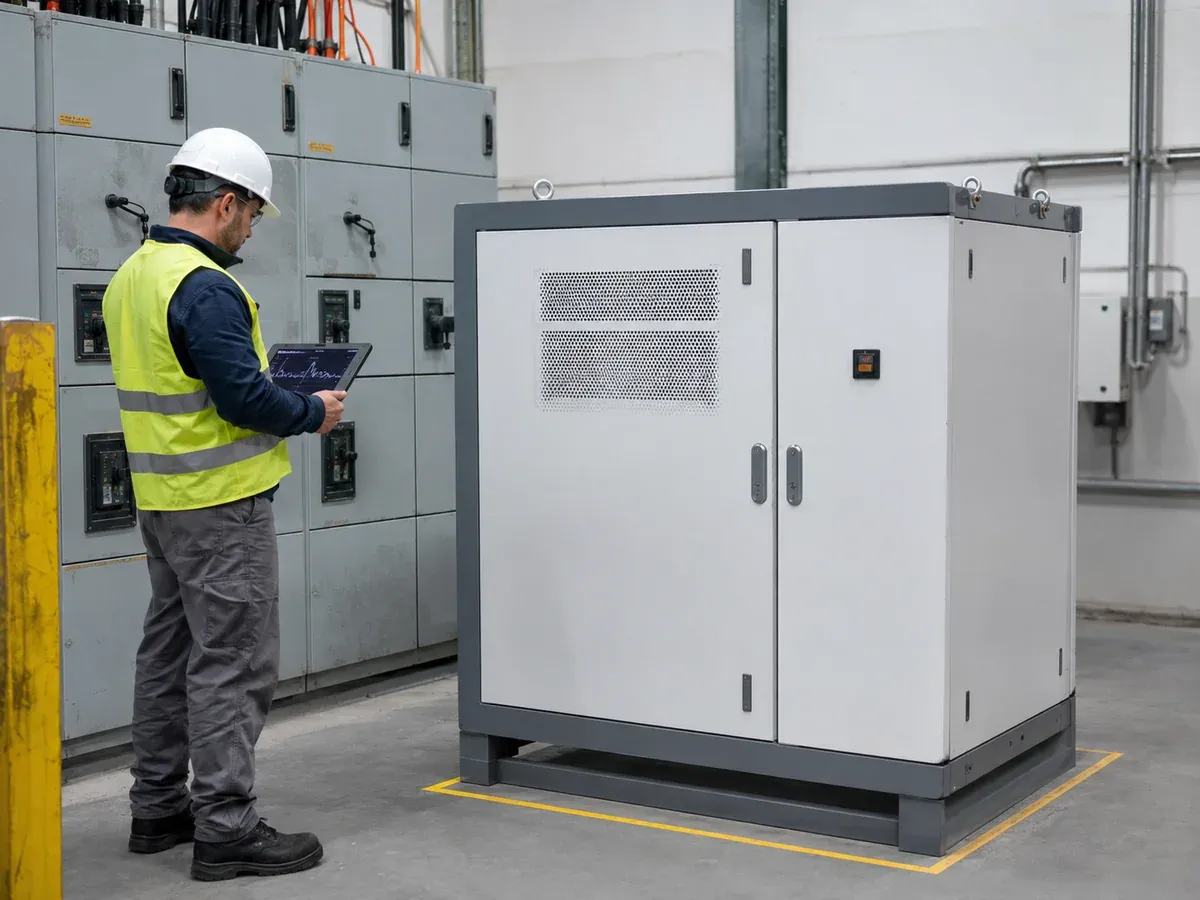
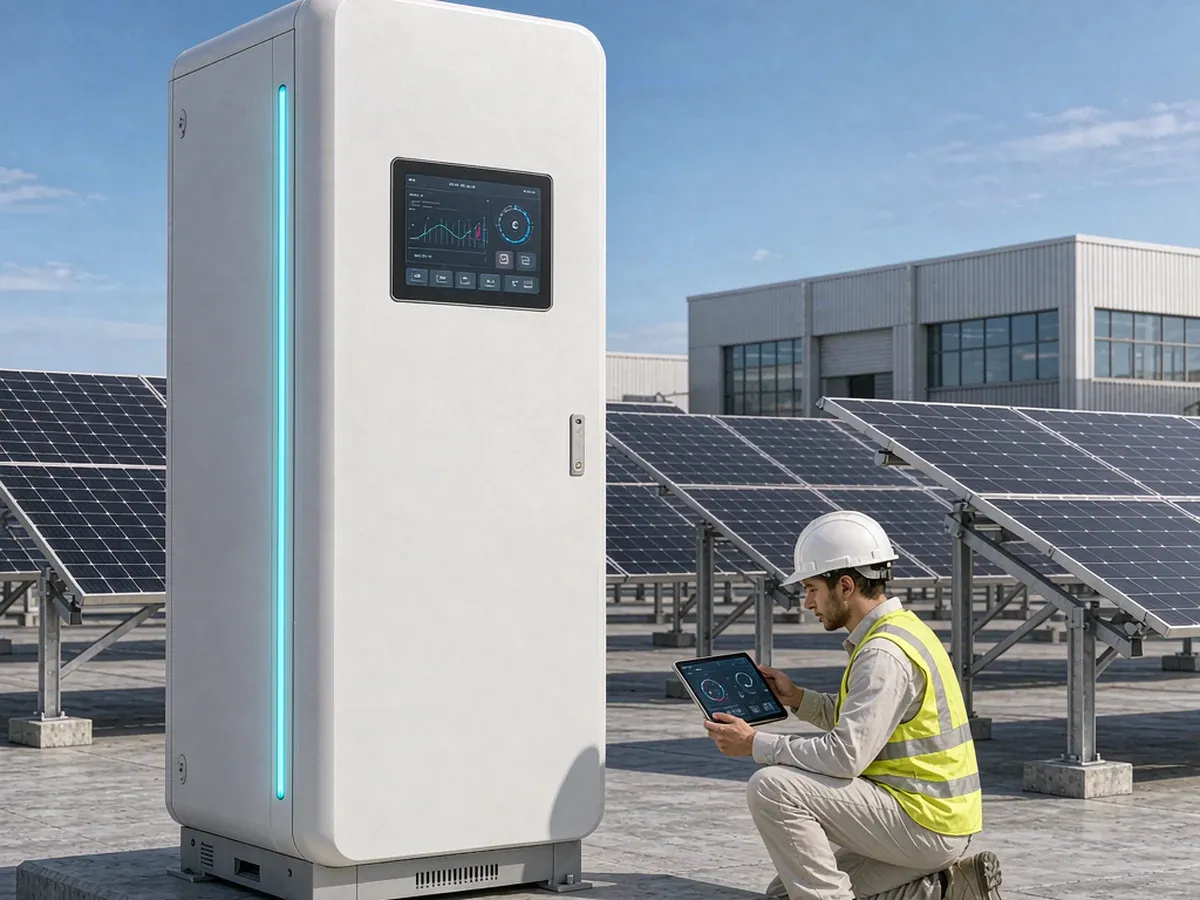
For most C&I and residential applications, new Grade-A lithium iron phosphate (LiFePO4) cells remain the lower-risk path. They ship with a known cycle life, a supplier-backed warranty, and homogeneous performance that simplifies sizing and service. When your uptime, insurance, or brand reputation is on the line, predictability usually beats a lower sticker price. Our 215 kWh industrial cabinet is one example of a configurable, new-cell system built for commercial duty cycles.
How to Decide: A Simple Filter
Use this rule of thumb: if you are a developer with engineering capacity who can pool risk across many units, second-life can pencil out. If you are an end user who needs a system to just work behind your load for a decade, lean toward new Grade-A cells with documentation you can verify. Either way, the documents, not the adjectives, should drive the decision. Buyers considering branded or OEM and private-label volumes should apply the same verification checklist before committing.
FAQ
Q: Are second-life batteries cheaper than new ones? A: Often yes on upfront cost, but total cost of ownership depends on SoH, warranty, and service life. Compare cost per usable cycle, not just purchase price.
Q: Can repurposed EV batteries be certified for stationary storage? A: They must be re-certified as an assembled system, for example UL 9540A and UL 1973 in the US or IEC 62619 internationally. Request the certificate that names your exact configuration.
Q: Is LiFePO4 better than repurposed NMC for commercial use? A: LiFePO4 is generally preferred for stationary storage because of thermal stability and cycle life. Many repurposed EV packs use NMC, which needs more careful thermal management and ventilation.
Planning a commercial or C&I storage project? Compare configurable new-cell systems and request the verification-ready documentation from our commercial energy storage line before you shortlist a supplier.