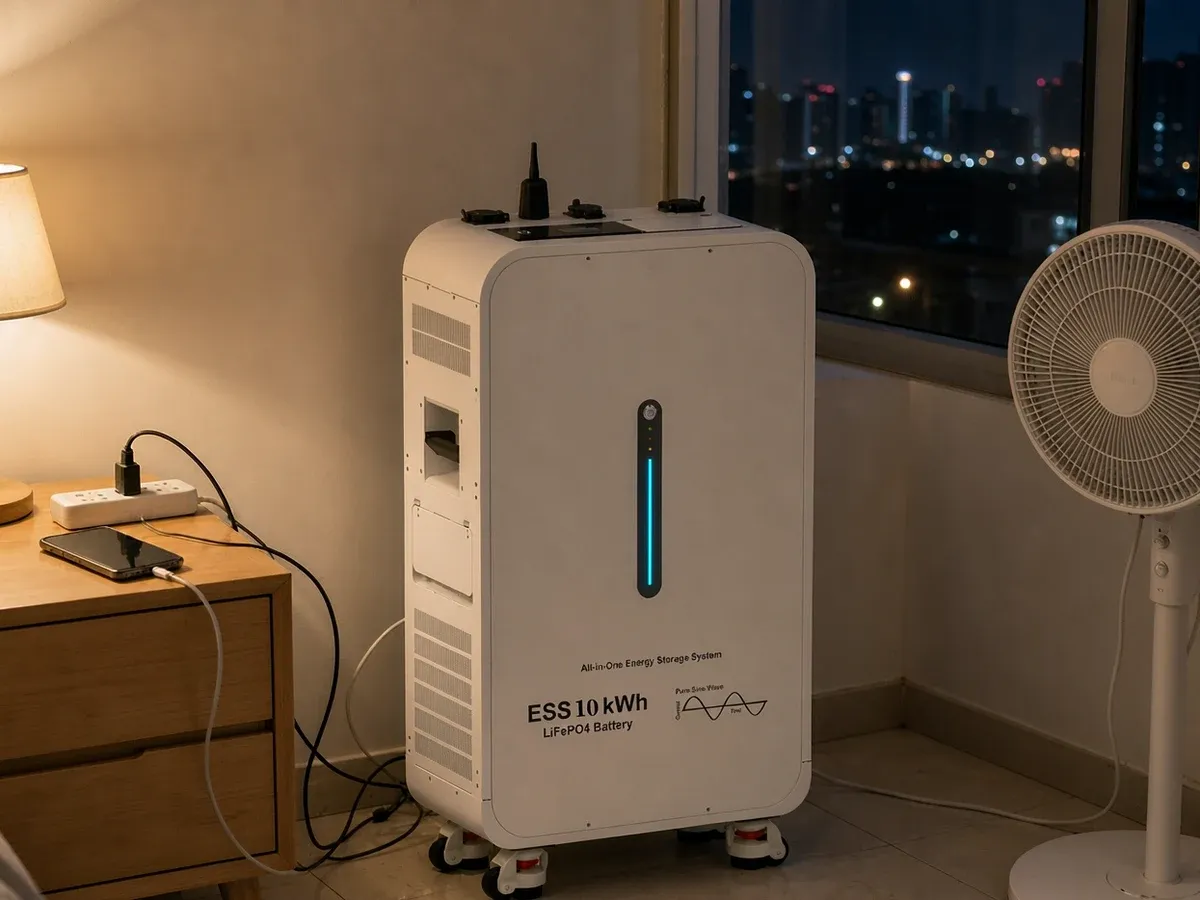
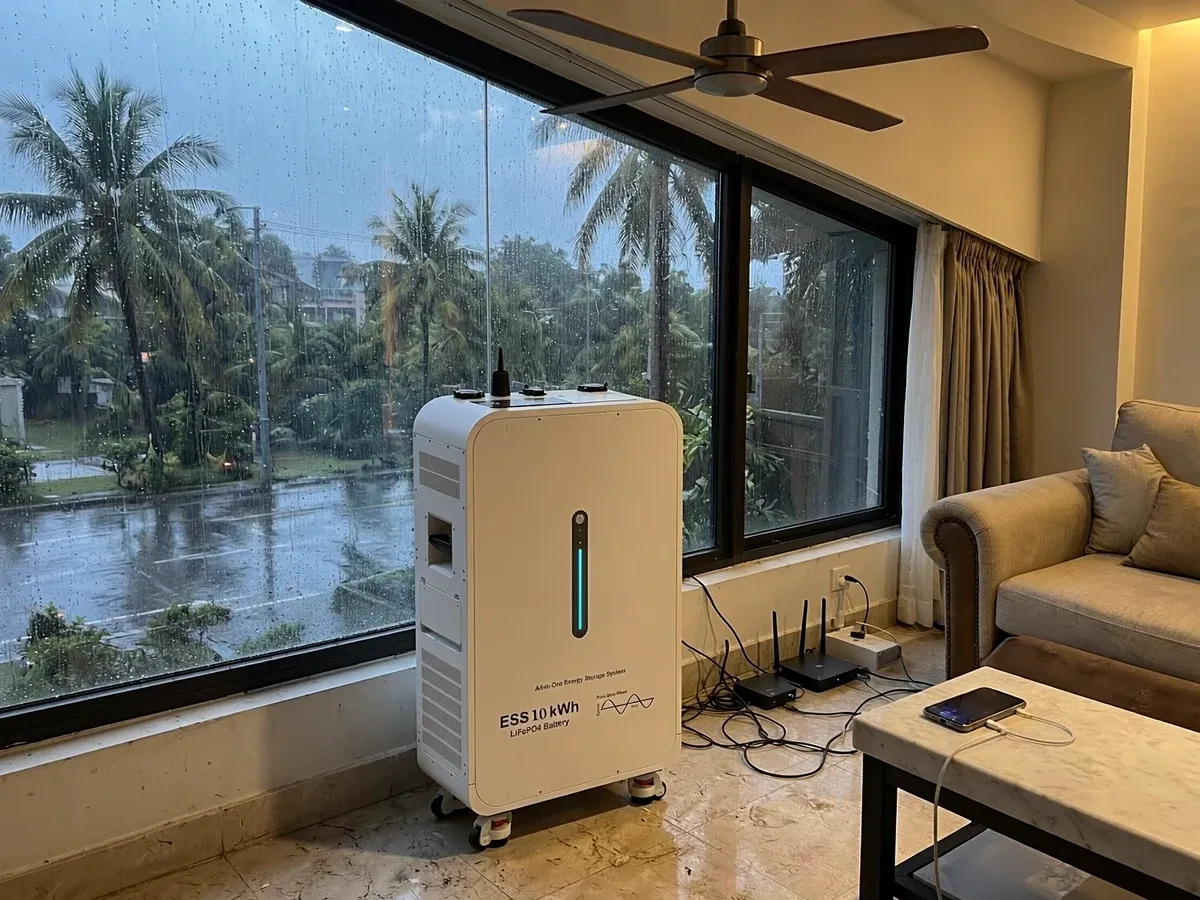
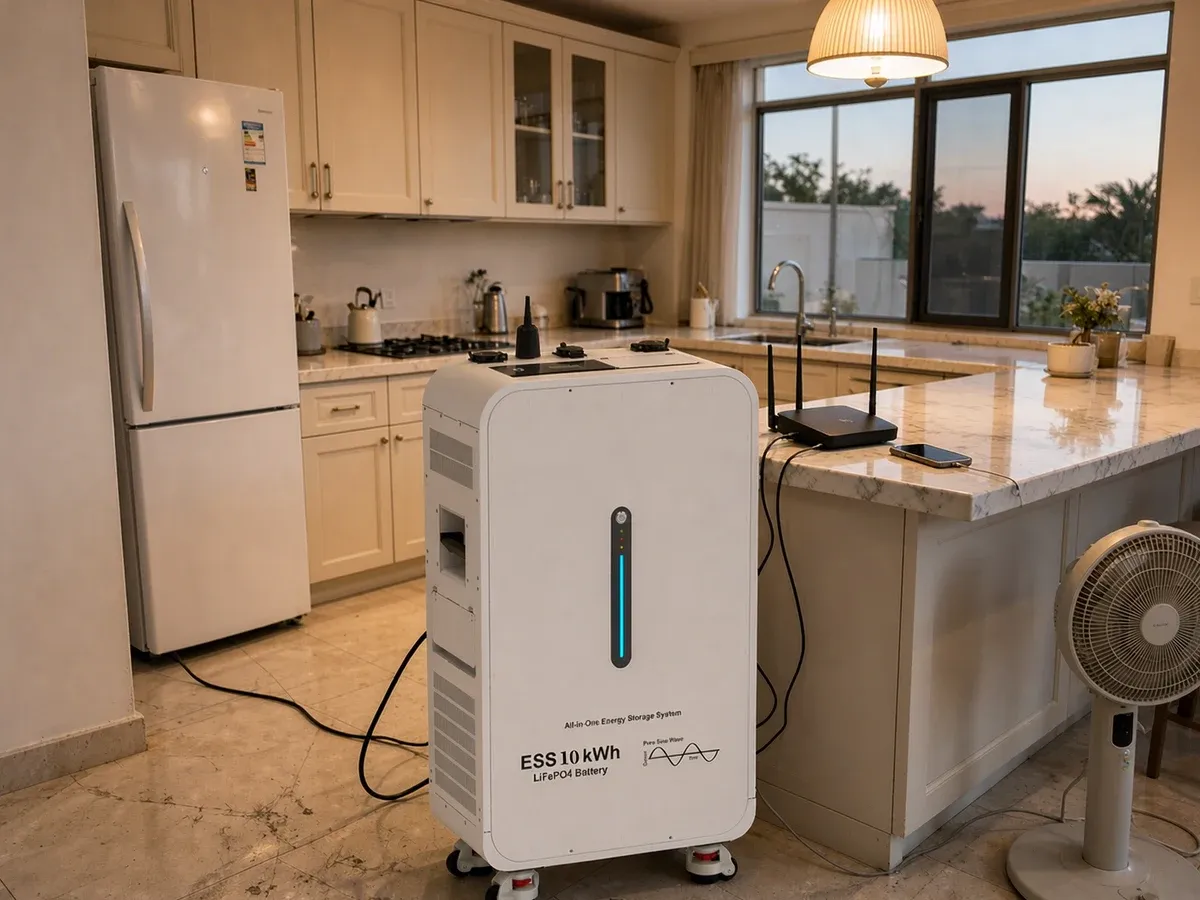
Sep 8, 2026Residential ESS
Single-Phase or Three-Phase Home Battery? Check Before You Buy
Check electrical phase, backup circuits, existing solar and local connection rules before choosing a residential battery system.
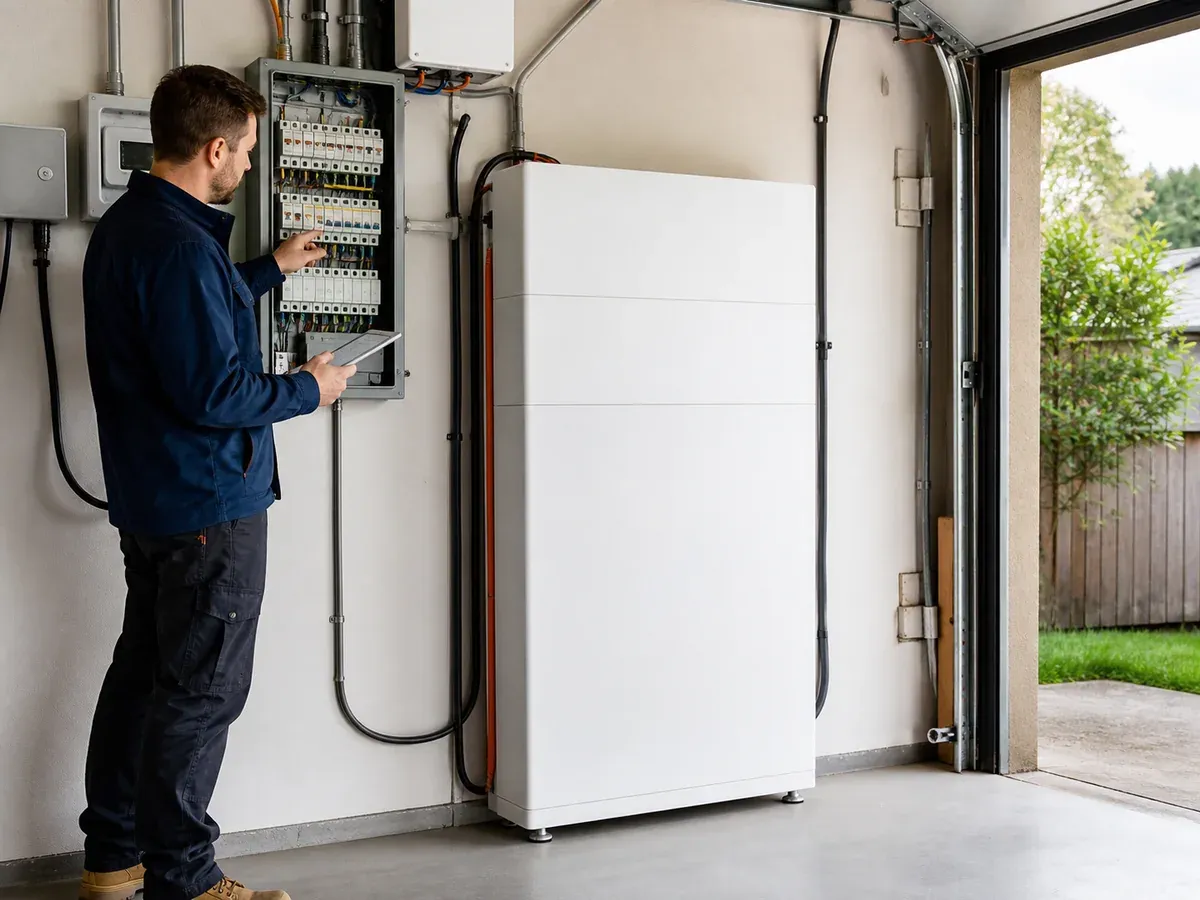
“I need a 10kWh battery” is useful, but it is not enough to select a system. The next question should be wonderfully boring: is the property single-phase or three-phase?
Battery capacity describes stored energy. Electrical phase describes how power is distributed. Confusing the two is how a neat quotation turns into an awkward installation-day phone call.
Why electrical phase changes the project
A single-phase home usually supplies household loads through one AC phase. A three-phase property distributes loads across three phases and may have equipment connected differently on each one.
The battery, inverter, backup output, meter arrangement and selected circuits must work with the property’s actual electrical architecture. A three-phase label on the service does not automatically mean every load needs three-phase backup. It also does not mean a single-phase backup path is acceptable without checking local rules and load balance.
Five details buyers should confirm
1. The incoming service
Ask a qualified electrician to identify the service type and nominal voltage. A photo of the main board helps, but it does not replace a site check.
2. Which loads sit on which phase
A refrigerator, lighting circuit and internet equipment may be distributed differently from a heat pump, workshop motor or large pump. The backup plan should follow the loads, not the marketing brochure.
3. Whole-home or selected-load backup
Selected-load backup can simplify the design because only agreed circuits are transferred. Whole-home backup asks more from the inverter, switching equipment and load-management strategy.
4. Existing solar and inverter topology
If solar is already installed, record the inverter model, AC connection and whether storage is being added through an AC- or DC-coupled design. Compatibility has to be verified, not guessed from brand names.
5. Local connection rules
Utility, wiring and protection requirements vary by country and sometimes by region. Confirm approvals and installer responsibilities before ordering hardware.
The phase-check photo list
Send these items with an enquiry:
- main switchboard with the door closed;
- service label and meter area, without exposing private account numbers;
- inverter model label if solar already exists;
- proposed battery location;
- list of essential circuits;
- any three-phase motors, pumps or HVAC equipment;
- country and local grid voltage;
- available cable route between equipment and switchboard.
Common quotation mistakes
Mistake: choosing by kWh alone. Capacity does not confirm simultaneous output or phase compatibility.
Mistake: assuming “three-phase home” means every phase must remain live in an outage. The actual backup objective and local rules decide the architecture.
Mistake: hiding future loads. An EV charger, pool pump or workshop planned for next year can change today’s design decision.
Mistake: requesting a final price before the electrical picture is clear. A responsible supplier may give a budget range first and ask for site data before confirming a configuration.
Which LinkPower systems should you review?
For residential projects, compare the 5kWh, 10kWh and 16kWh product directions, then request the latest datasheet for the intended electrical configuration.
https://www.linkpoweress.com/products/5kwh-residential-battery-backup-systemhttps://www.linkpoweress.com/products/10kwh-all-in-one-home-energy-storagehttps://www.linkpoweress.com/products/16kwh-premium-energy-storage-for-villas
Send a quote-ready brief
Tell LinkPower the country, phase, voltage, solar status, essential loads, outage goal and installer role. Add the photo list above. That is enough to start a useful technical conversation without inventing missing site details.