10kWh vs 16kWh Home Battery: Which Size Fits Your House Better?
The difference between 10kWh and 16kWh comes down to what stays on during an outage: essentials only, or the air conditioner too. A load-by-load comparison for villas and smaller homes.
10kWh vs 16kWh Home Battery: Which Size Fits Your House Better?
The difference between 10kWh and 16kWh comes down to what stays on during an outage: essentials only, or the air conditioner too. A load-by-load comparison for villas and smaller homes.
Short answer: pick 16kWh if the air conditioner stays on during an outage, or if the house has a well pump, a second fridge, or outages that stretch past eight hours. Pick 10kWh when the backup list stops at lights, a fridge, fans, and the router. Both sizes exist for good reasons — the mistake is buying by budget first and load list second, then finding out during the first blackout which one you actually needed.
Where the two sizes split
Picture a normal evening outage in a three-bedroom villa outside Manila or a two-storey house in Karachi. A fridge cycling at 200W, four ceiling fans at 60W each, eight LED bulbs, the router, a TV, and a 1,200W split AC for the hottest hours — that's about 1.8kW running together. Over a five-hour evening it adds up to roughly 9kWh. A 10kWh battery covers it, but only just, and only if nothing else gets switched on. The same evening on a 16kWh battery leaves half a pack in reserve for the morning, which is what actually keeps milk cold and phones charged when the grid stays down into the next day.
Run the numbers for your own house
Ten minutes with a piece of paper beats any rule of thumb. List every load you refuse to lose, write its running watts beside it, multiply by the hours you want it covered, and total the column. A 200W fridge over a 12-hour night is 2.4kWh. Four fans through the evening, 2kWh. Lights and electronics, 1kWh. The split AC for four hours, 4.8kWh. That house lands just under 10kWh per night — which sounds like a perfect fit for a 10kWh battery until you add the 20% reserve you should never routinely drain, plus the extra load someone always plugs in on night three of a long outage. That same house buys 16kWh and stops thinking about it.
10kWh vs 16kWh side by side
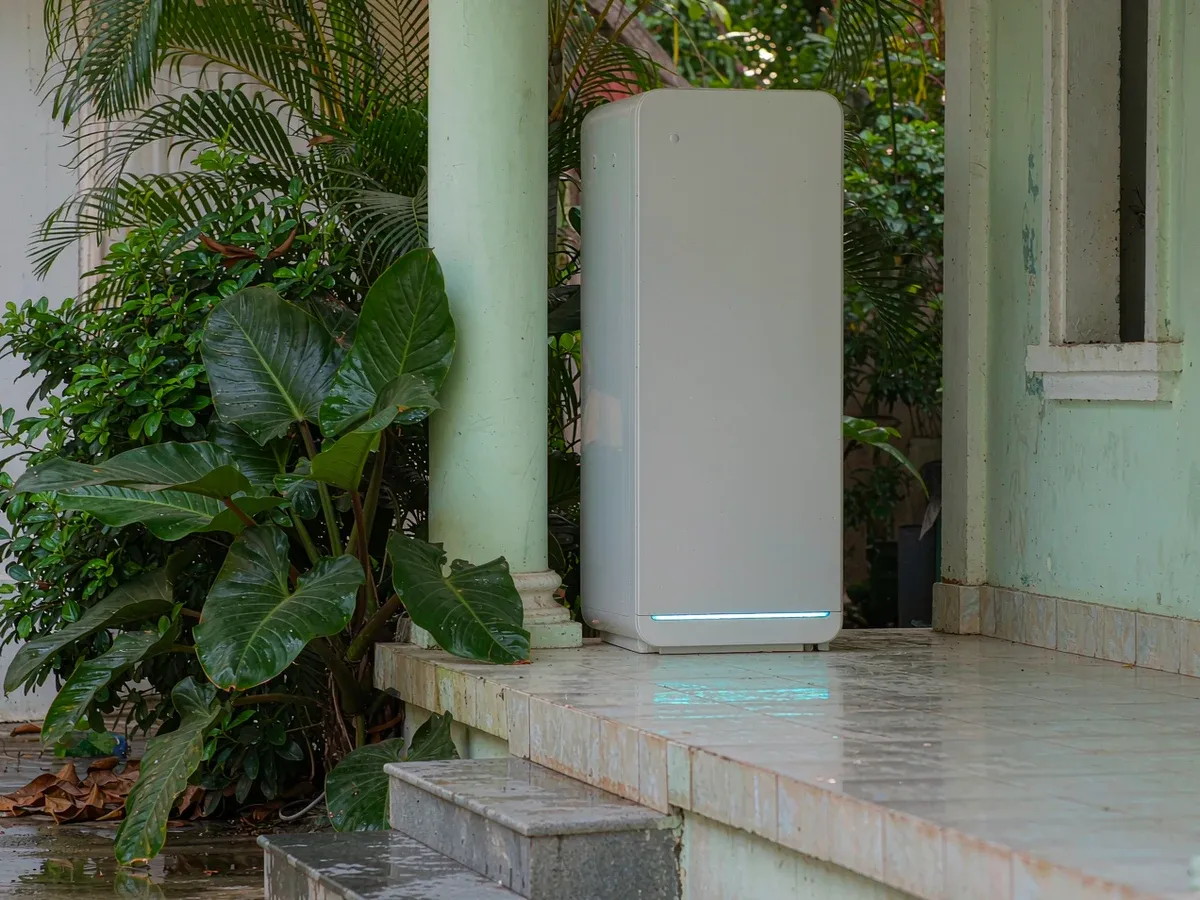
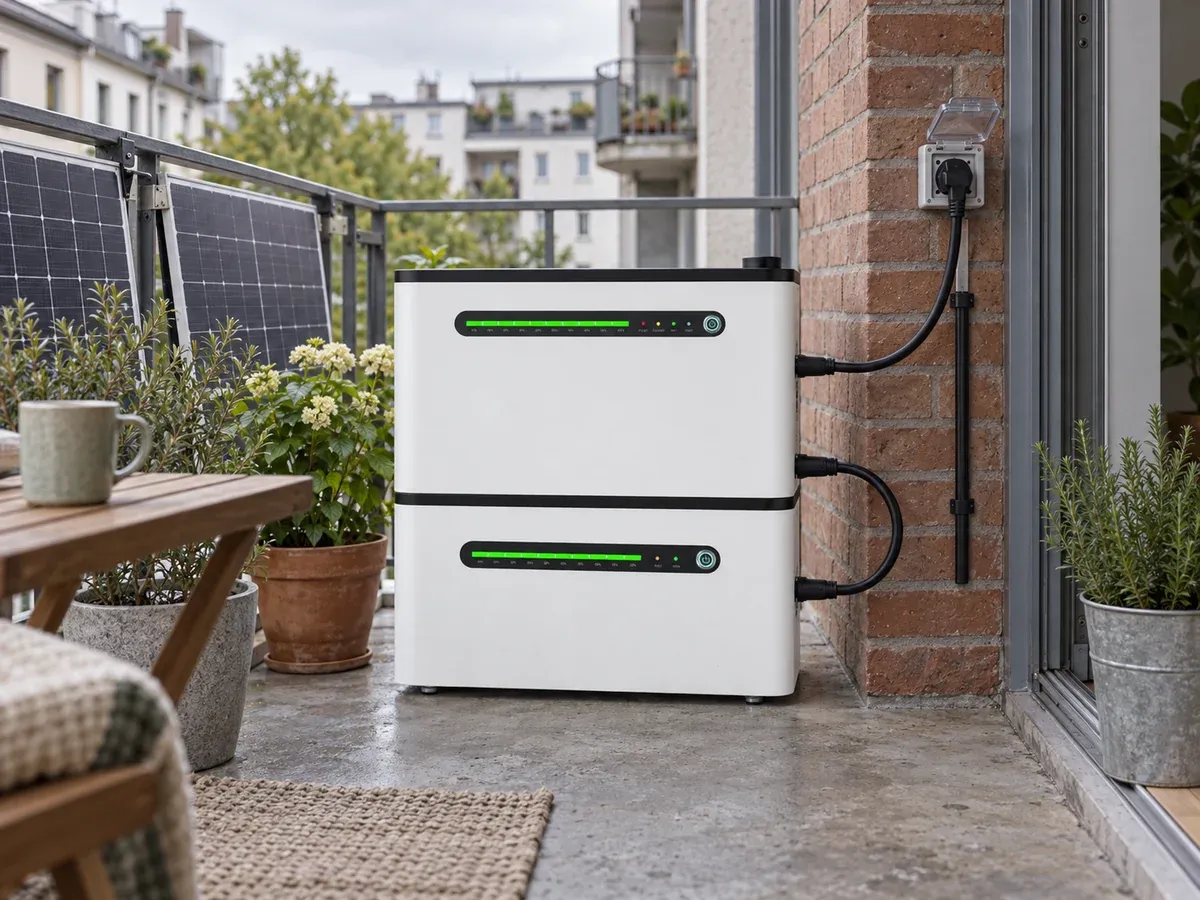
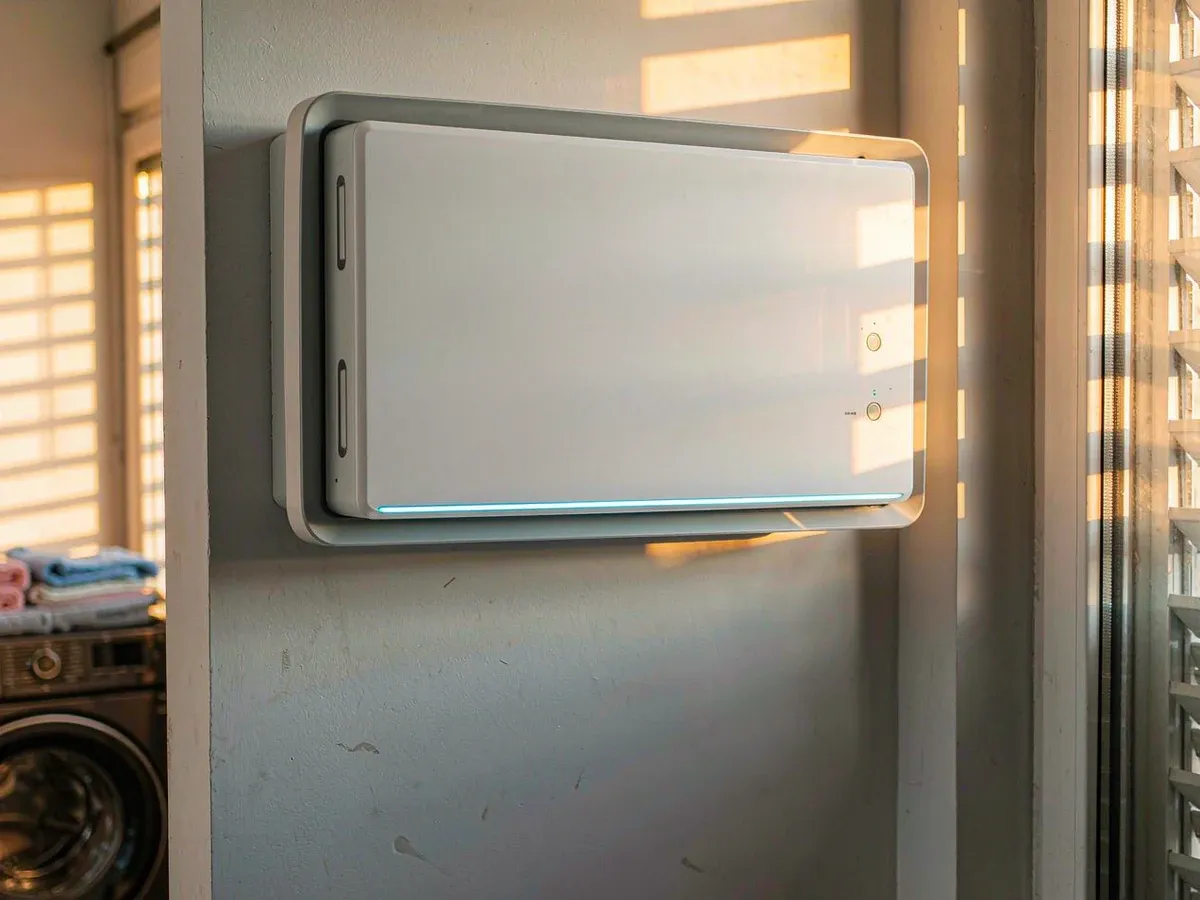
A 10kWh unit such as the 10kWh all-in-one home energy storage system suits apartments and small houses: essentials through the night, a full day of light loads, or evening backup with the air conditioning left off. A 16kWh unit like the 16kWh premium energy storage system for villas carries three- to four-bedroom homes: AC during outages, well pumps, and a reserve floor you don't have to babysit. In runtime terms, a 1.8kW evening load runs about four hours on 10kWh before hitting a sane reserve floor, and about seven on 16kWh. Both tiers come as all-in-one cabinets with the inverter built in — one box on the wall, one set of cables, no matching a third-party inverter to a battery and hoping the communication protocol agrees with itself.
Technical details that swing the decision
Net capacity first: ask what the battery delivers at its allowed depth of discharge, not the nameplate figure. Inverter continuous rating second — a 16kWh pack behind a 3kW inverter still won't run the AC and the pump together, so match the inverter to your peak load, not to your capacity. Transfer time third; anything over about 20 milliseconds reboots desktops and trips some pump controllers at every switchover. On documents: UN38.3 test reports and an MSDS ship with every export order, and you should have copies in hand before the goods leave the factory. For UL, CE, or IEC reports, ask the supplier to send the certificates with dates and scope, and check them yourself. And ask which cell brand and grade goes into your batch — Grade A cells from a traceable production line are what keep capacity up in year six.
When 10kWh is the right call
Small household, no cooling on the backup list, and outages that last an evening at most: 10kWh does the job, costs less, and charges back to full faster on a modest solar array. It's also the honest choice for daily self-consumption cycling where the grid rarely fails. Sixteen kilowatt-hours earns its price when outages are long or daily, when cooling is non-negotiable, when the house is growing — a new floor, a second fridge, a home office on the same circuit — or when the owner simply wants one bad week of weather to pass without starting the generator. In markets where the grid drops twice a day, sizing for the worst day instead of the average one is the decision that ages well.
What to send the supplier before you order
Four things decide the quote: your load list in watts, the backup hours you want, your AC voltage (230V single-phase covers most homes across Africa, Asia, the Middle East and Latin America, but confirm yours), and your peak loads — compressor starts, pump starts — because those size the inverter. If an installer or EPC contractor is handling the job, have them send the single-line diagram early; it usually surfaces sizing mistakes before they become change orders.
FAQ
Q: Can a 10kWh battery run air conditioning? A: One split AC, yes — a 1,200W unit for roughly four to five hours, on its own. It cannot carry the AC plus a well pump plus the fridge together for a full evening; that profile starts at 16kWh with an inverter sized for the compressor start.
Q: Is 16kWh overkill for a small house? A: Often, yes. If your essential load comes in under 4kWh a night, most of a 16kWh pack sits idle. Buy for the load list, keep about 20% headroom, and stop there.
Q: Do the two sizes share the same inverter platform? A: In an all-in-one design the inverter is matched to the pack at the factory, so check each model's continuous and surge ratings separately — they are not interchangeable across capacities.
Q: How many cycles should I expect? A: Ask the supplier for the cycle-life figure and the test conditions behind it — depth of discharge, temperature, end-of-life threshold. A number quoted without conditions is marketing, not engineering.
Tell us what has to stay on, for how long, and at what voltage, and we'll tell you which size actually fits — send your peak kW, daily kWh, AC voltage, and application through the contact page. Distributors and installers can request OEM and volume terms on the same form.