Oct 14, 2026Residential ESS
Can a Home Battery Charge From Solar During a Grid Outage?
Can a home battery recharge from solar in a grid outage? Learn which inverter, islanding, backup-circuit and commissioning details must be verified.
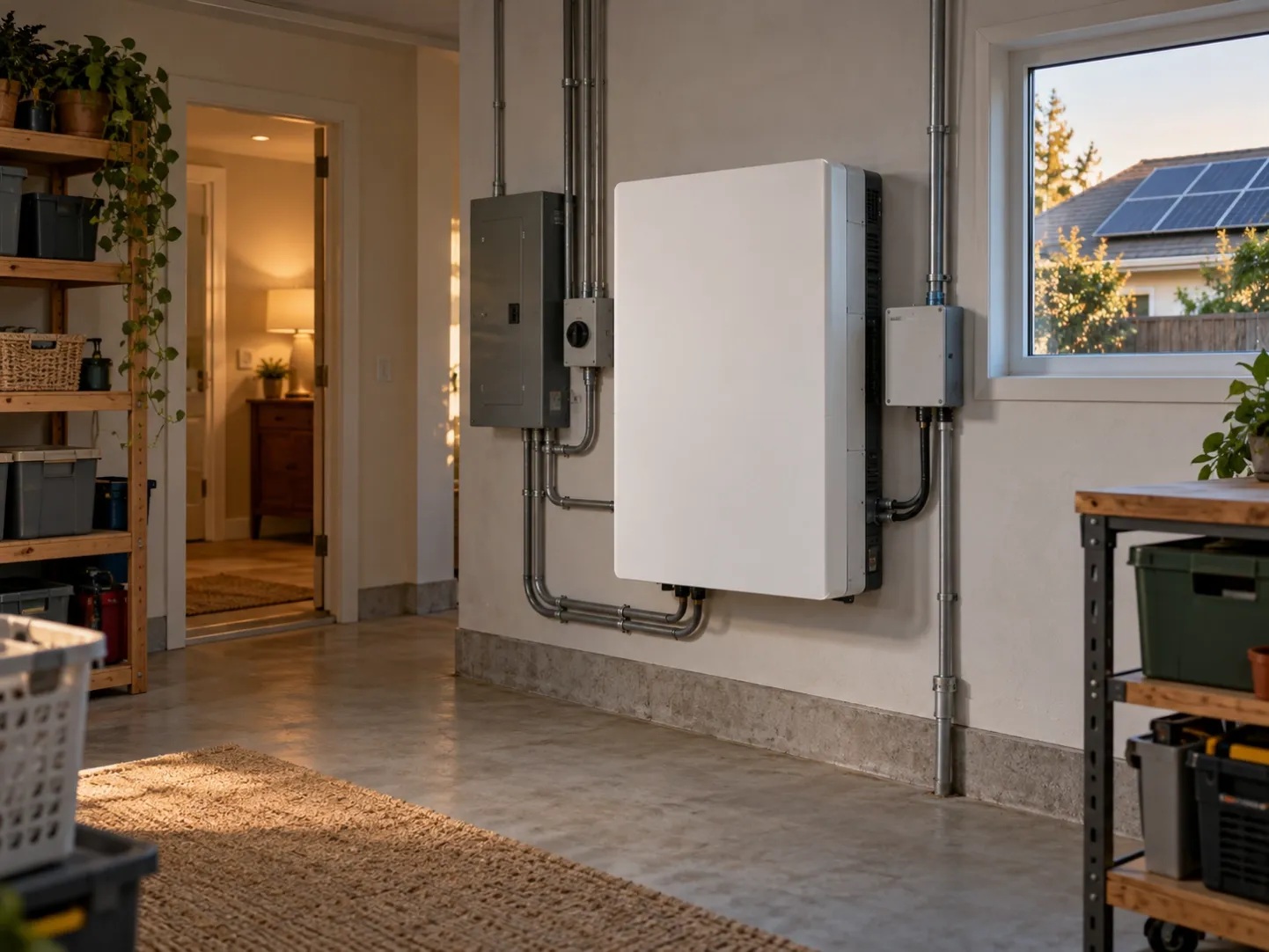
A grid outage changes the question from “How much solar do I have?” to “What is still allowed to operate when the grid is gone?” A home battery may recharge from solar during an outage, but the answer depends on the inverter, islanding controls, backup circuits and operating settings—not on the panels alone.
THE SHORT ANSWER
Solar charging during a grid outage is possible on some home battery systems, but it is not automatic. The battery system must create a safe local grid, keep the solar inverter operating in that islanded condition, and manage charging when household loads are changing. Ask the supplier to document this function for the exact configuration you are considering.
WHY SOLAR PANELS OFTEN STOP WHEN THE GRID FAILS
Most grid-tied solar inverters shut down when the grid disappears. This protects utility workers from unexpected energization. A battery system that supports backup can form a controlled local supply, but the solar inverter still needs to be compatible with that arrangement and the controls must prevent unstable operation.
In other words, a roof full of panels does not by itself prove that a home can recharge its battery during an outage.
FOUR THINGS TO VERIFY BEFORE YOU ASSUME IT WILL WORK
- Islanding and backup mode — Does the proposed system create a local backup supply, and what equipment performs that function?
- Solar-inverter compatibility — Is the existing or proposed solar inverter supported during backup operation? Ask for the supported topology, not just the word “hybrid.”
- Charge-control behavior — What happens when the battery is nearly full, household demand is low, or solar output changes quickly?
- Backed-up circuit design — Which loads remain connected during an outage, and how are high-demand appliances limited or disconnected?
WHAT A REALISTIC OUTAGE SCENARIO LOOKS LIKE
Imagine a midday outage with the refrigerator, router, lights and a small pump on the backup circuits. Solar production is changing as clouds pass. A useful system should keep the local supply within its documented limits, use available solar when permitted, and protect the battery when generation or demand moves outside those limits.
That is different from promising that every appliance will run or that every sunny hour will refill the battery. The exact result depends on the approved wiring, inverter settings, load profile, weather and local electrical rules.
QUESTIONS TO SEND A SUPPLIER
- Can the proposed configuration charge the battery from solar while the grid is unavailable?
- Does the answer change if the site uses an existing third-party solar inverter?
- Which circuits remain powered, and what happens to surplus solar when the battery reaches its reserve limit?
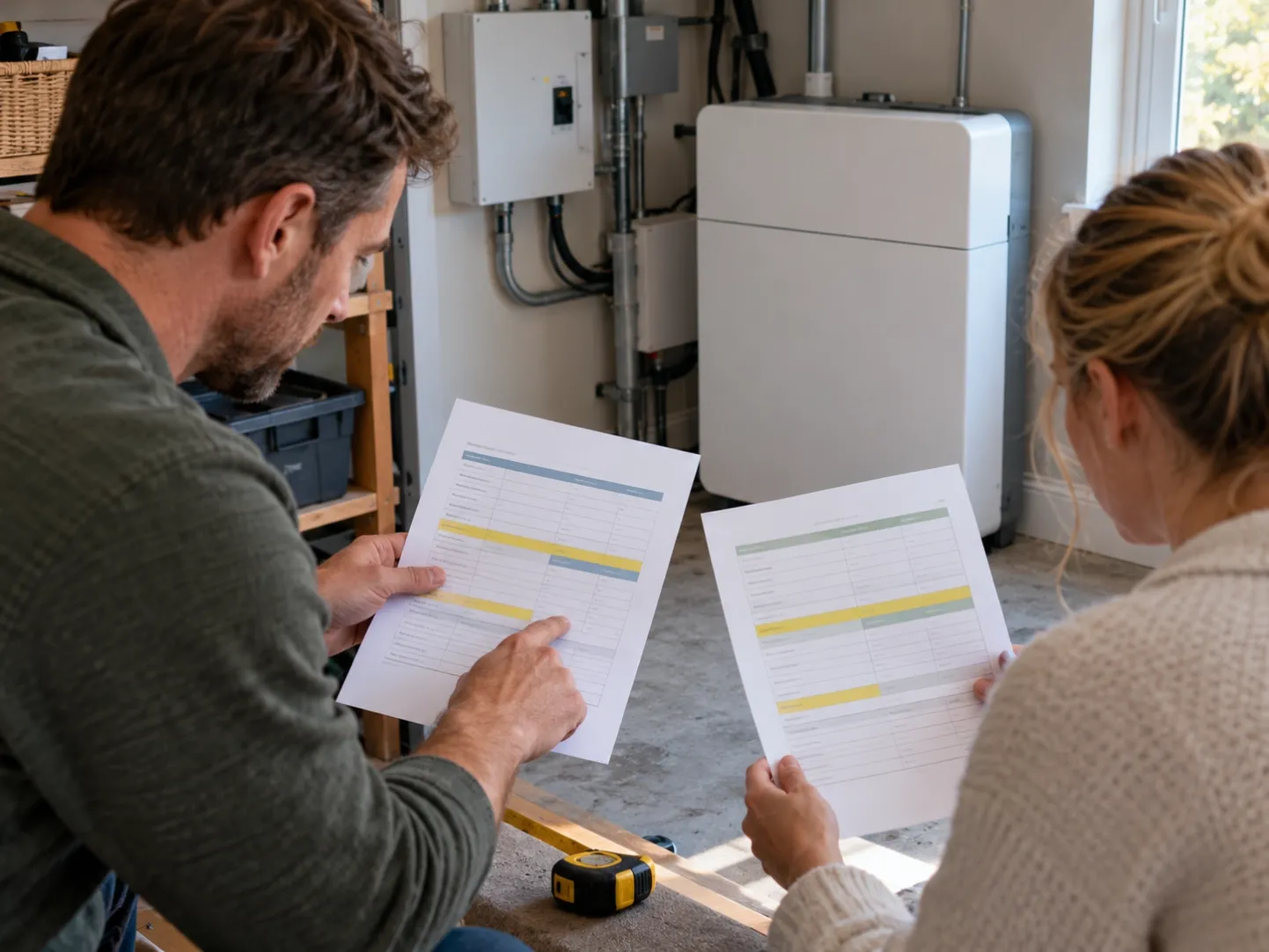
- Is the function tested during commissioning, and what evidence is provided to the owner?
- Which operating modes are supported by the current product documentation?
AVOID THESE COMMON ASSUMPTIONS
“The panels are producing, so the battery must be charging.” Not necessarily.
“The battery has backup, so all solar equipment will work in an outage.” Not necessarily.
“A bigger battery guarantees more solar capture.” Not necessarily.
The safe answer is the documented answer for the complete system.
START WITH A CHECKABLE CONFIGURATION
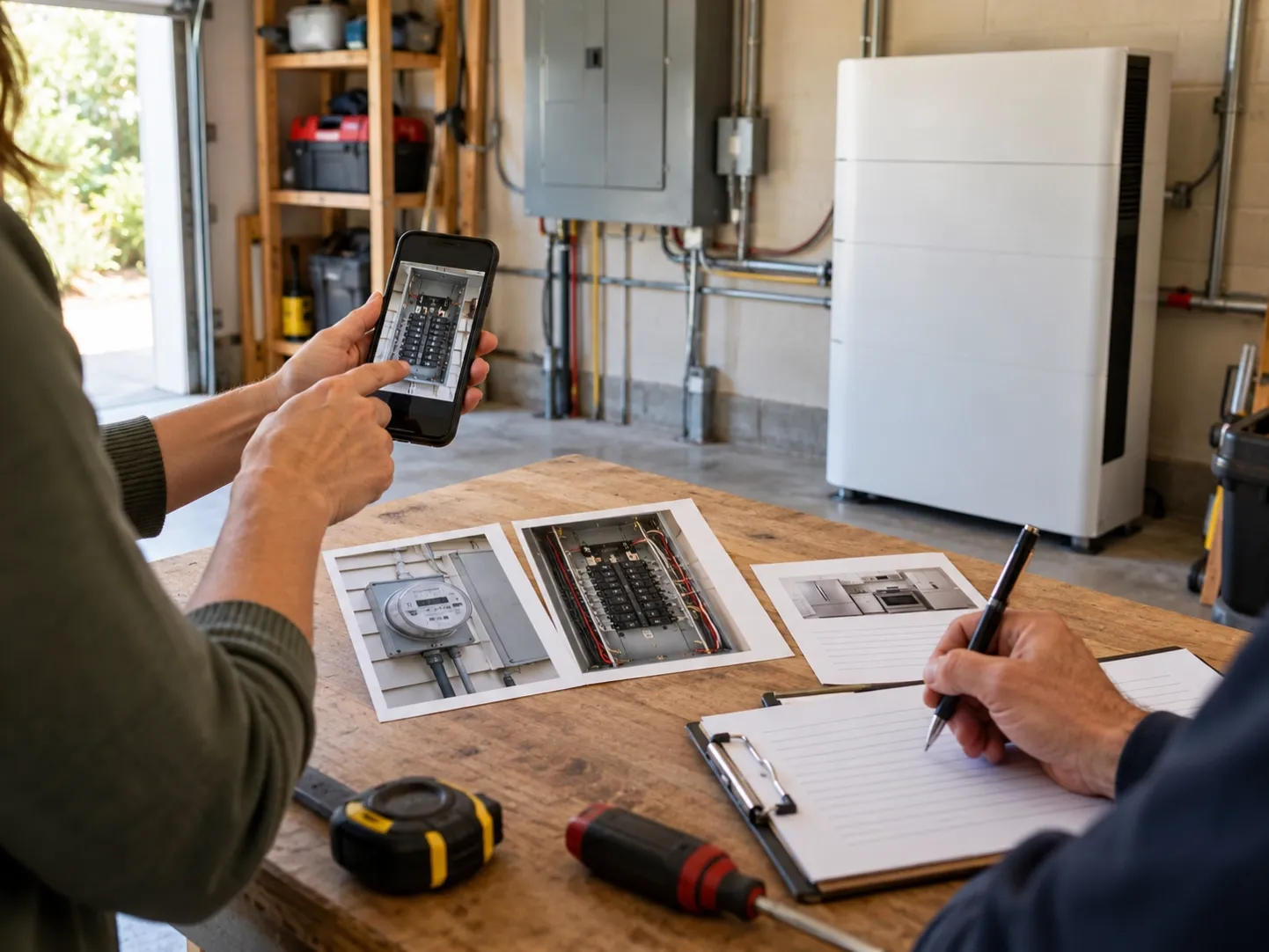
Review LinkPower’s home energy storage solutions at /energy-storage-solutions, then send the proposed solar-inverter details, a photo of the electrical panel, the loads that must stay on and your outage objective. A supplier can then confirm whether solar charging during an outage is supported instead of guessing from a product headline.
A FINAL BUYER CHECK
Before signing, make sure the quotation states the backup topology, supported solar-inverter arrangement, backed-up circuits, charge-control behavior and commissioning scope. If one item is unclear, mark it as an open question. That small step prevents an expensive assumption from becoming an installation problem.