How to Choose a Home Energy Storage System for Power Outages
A practical buyer guide for households in areas with unstable grid power: how to size a backup battery, what to check before ordering, and what a 5kWh system can realistically run.
How to Choose a Home Energy Storage System for Power Outages
A practical buyer guide for households in areas with unstable grid power: how to size a backup battery, what to check before ordering, and what a 5kWh system can realistically run.
A distributor in Lagos told us last month that his customers have stopped asking whether they need backup power. They ask how long it will run the fans. In parts of Asia, Africa and the Middle East where load-shedding follows a fixed daily schedule, that question decides everything — and it is easier to answer than most buyers expect.
Here is the short version. If you only need lights, a fridge, a router and a few fans through a 4–6 hour outage, a 5kWh unit covers it with room to spare. If you want air conditioning, a water pump and laundry in the same evening, you are in 10–16kWh territory. Settle that first; brand, price and paperwork come after.
Start With What You Actually Run During an Outage
Walk through your house during a normal blackout and write down what stays on. That list matters more than any spec sheet. A fridge draws 100–200W while running. LED lights add up to maybe 50W for a whole apartment. A ceiling fan takes 60–75W. A router and a TV together barely register.
Run the math on the fridge alone: a 200W unit cycling for 10 hours uses roughly 1.5–2kWh. Add lights, fans and a router and your essential load for one night sits around 3–4kWh. That is why a 5kWh residential battery backup system is the entry point for most households — it runs the essentials for roughly 8–12 hours without any solar input.
Air conditioning changes the picture fast. A 1-ton unit pulls about 1–1.2kW, so every hour of cooling eats 1kWh or more. Two hours of AC a night pushes you toward 10kWh; a villa that wants AC plus water pump plus kitchen appliances usually lands on 16kWh. There is no honest way around this arithmetic.
Five Checks Before You Pay a Deposit
Transfer time. When the grid drops, how fast does the battery take over? A good unit switches in under 20 milliseconds — fast enough that computers stay on and the Wi-Fi never blinks. Ask the supplier for the actual figure and test it on a laptop before accepting the installation.
Integrated inverter or separate. A machine with the inverter built in has fewer wiring mistakes, fewer compatibility arguments and one less box on the wall. If the supplier builds its own integrated inverter rather than pairing third-party parts, ask who designs it and who fixes it when something goes wrong.
Battery chemistry. Lithium iron phosphate (LiFePO4) has become the default for home storage because it tolerates daily cycling and high heat better than older lithium-ion types. In hot, humid climates this is not a luxury spec — it decides whether the pack survives five years of daily discharge.
Cell traceability. Two packs can both say "LiFePO4 5kWh" and still be built from completely different cells. Ask the supplier for the cell grade report and the cell brand. We use Lishen Grade A cells with full traceability, and any serious factory should be able to show you the same kind of paperwork for theirs.
Shipping documents. Every lithium battery needs a UN38.3 test report and an MSDS to clear customs and air freight. These two documents are standard, and a supplier who hesitates to produce them is telling you something.
What a 5kWh Cabinet Covers — and Where It Ends
A 5kWh unit handles the essentials comfortably: fridge, lighting, fans, router, TV, phone and laptop charging, a small water pump. It will not run air conditioning for more than an hour or two, and it will not carry an entire villa.
The usual upgrade path looks like this: 5kWh for apartments and essential-load backup, 10kWh for small houses that want evening AC, 16kWh for villas in the Gulf and Africa where outages are long and loads are heavy, 20kWh where owners want near-total independence. You can compare the full range on our home energy storage page before narrowing down.
One honest note: buy for tonight's outage, not for a future solar array. The system can charge from the grid today and pair with rooftop PV later — but confirm the solar input specs before you assume it.
Technical Points Buyers Skip
Net capacity, not nameplate. Ask how many kWh you can actually draw. Some systems reserve a bottom buffer to protect the cells; a "5kWh" machine that only delivers 4.5kWh still works fine, but you should know it before you size your loads.
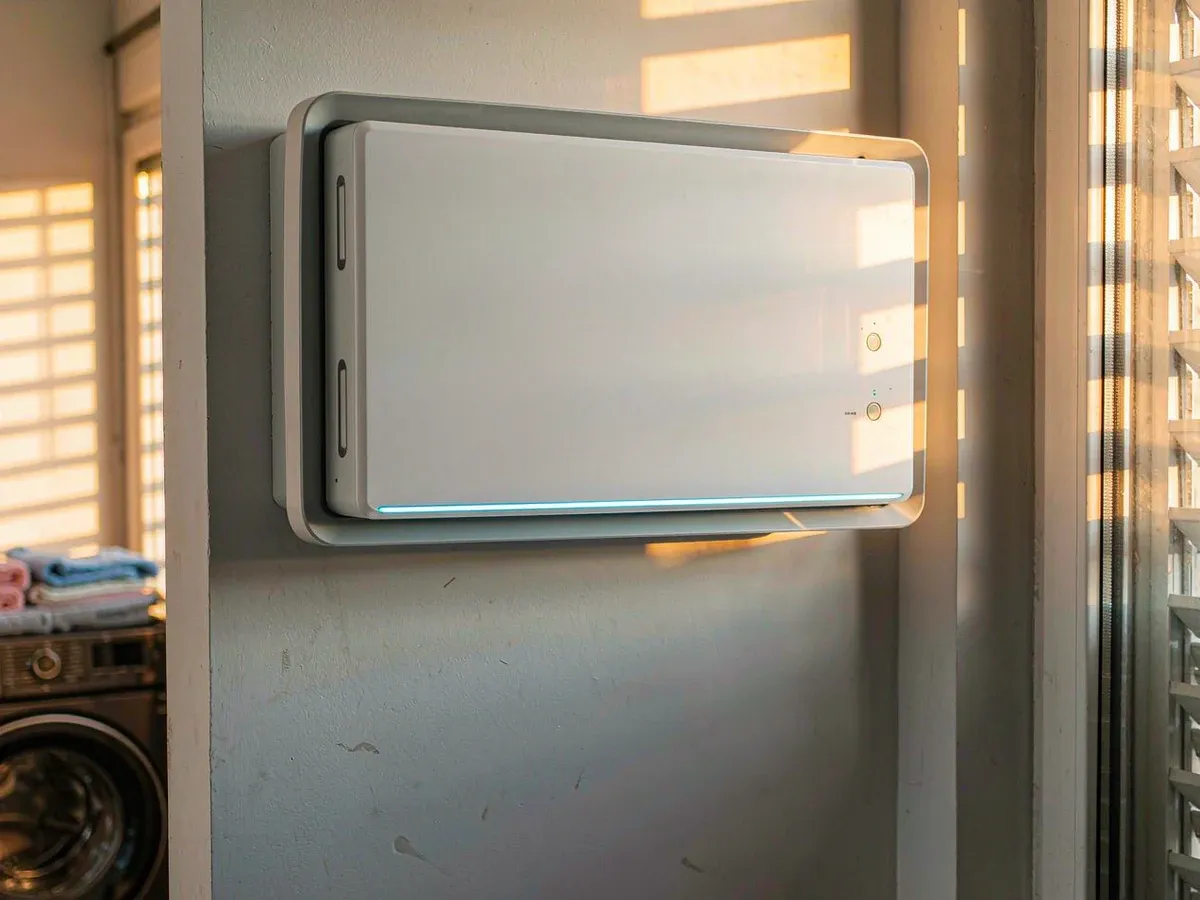
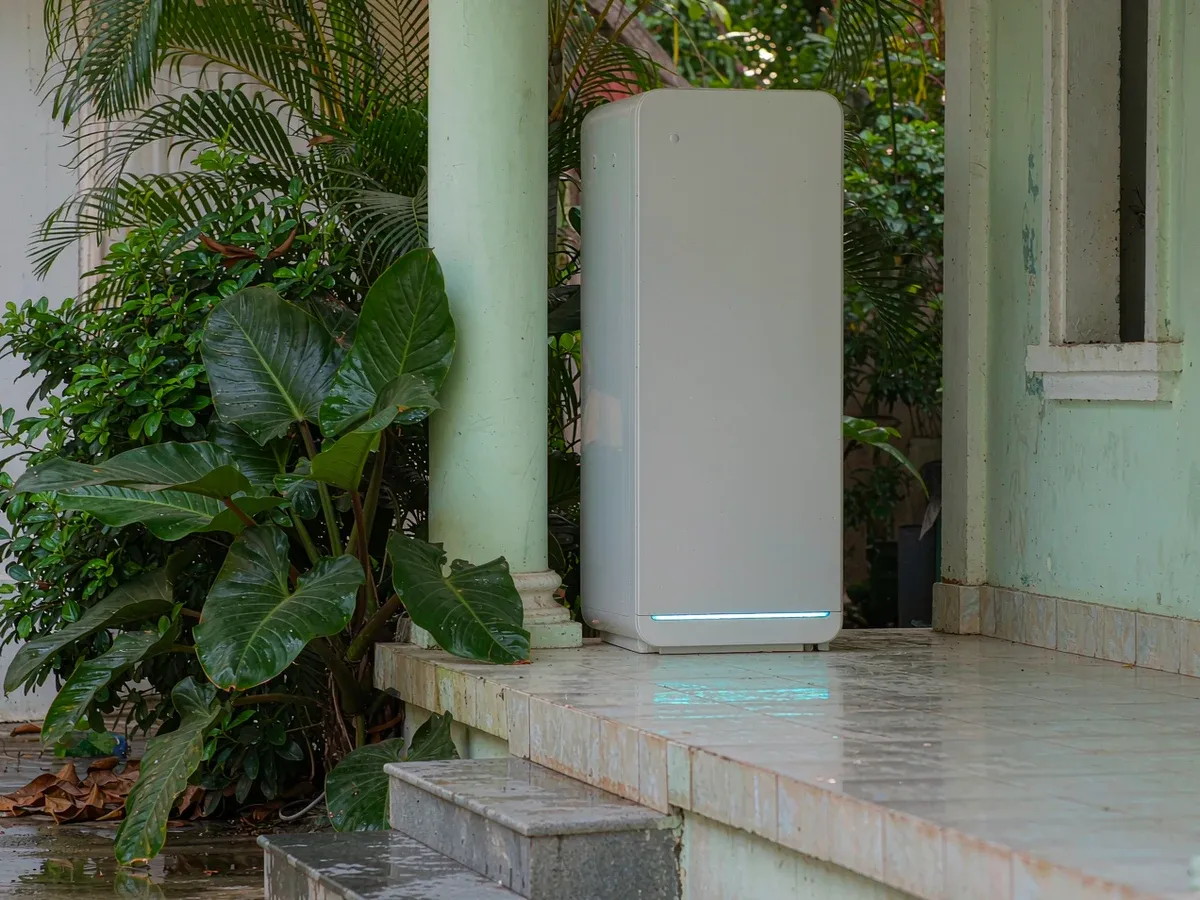
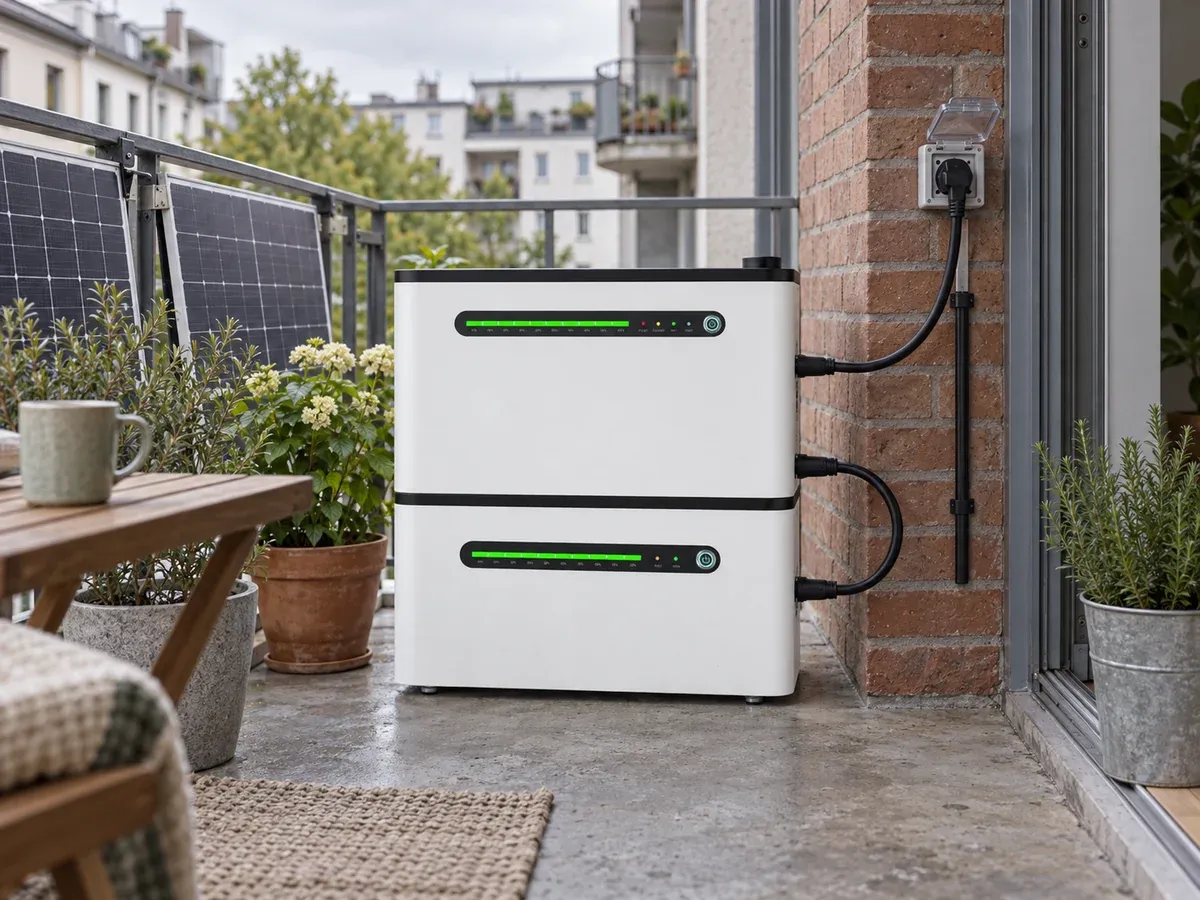
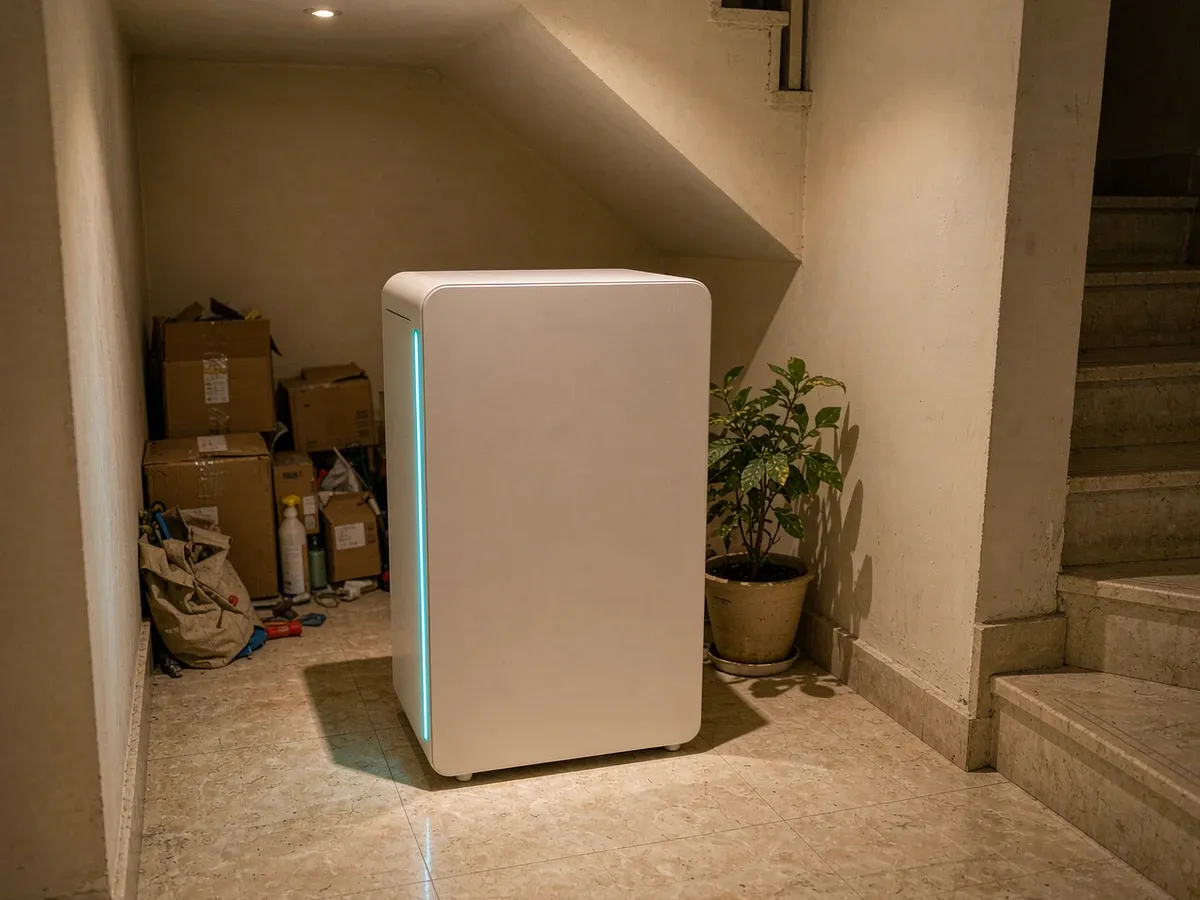
Ventilation and placement. These cabinets are quiet, but they are not nothing: they need airflow and they dislike direct monsoon-season humidity. Wall-mounted units in a laundry room or a covered balcony work well; sealed closets do not.
Cycle life, stated plainly. Suppliers quote cycle numbers at different depths of discharge, which makes them hard to compare. Ask each one for cycles at 80% depth of discharge, then compare apples to apples. A pack cycled daily should still hold most of its capacity after years of load-shedding schedules — get that commitment in writing from whoever you buy from.
Who This Setup Fits
A grid-charged battery backup fits households and small shops in places where the grid works most days but fails on schedule: parts of the Philippines, Pakistan, Nigeria, South Africa, Iraq, Yemen and Central Asia. It also fits clinics, guesthouses and corner stores where a dark evening costs real money.
It does not fit a fully off-grid villa with a pool, multiple ACs and an electric cooker — that job needs a larger bank, a serious solar array and an engineer's load study. Do not let anyone sell you a 5kWh box for that job.
What to Send the Supplier Before Asking for a Quote
The fastest quotes come from buyers who send five things: total load in kW (peak), energy needed per outage in kWh, AC voltage (110V / 220V / 230V), single-phase or three-phase, and the application — house, shop, clinic or guesthouse. Mention whether rooftop solar exists already or might come later. With those five lines, a factory can match you to a 5, 10, 16 or 20kWh configuration in one reply instead of a week of back-and-forth.
FAQ
Can it run an air conditioner?
Yes, but size for it. A 1-ton AC consumes roughly 1kWh per hour, so a 10kWh battery covers an evening of cooling with a margin; a 5kWh unit only manages an hour or two.
How long will a 5kWh battery last during an outage?
Running only essentials — fridge, lights, fans, router — count on 8–12 hours. Add heavy appliances and the number drops quickly, which is why the load list matters more than the spec sheet.
Do I need rooftop solar?
No. The system charges from the grid and works as pure backup. If you plan to add panels later, confirm the MPPT input range and maximum PV wattage with the supplier before ordering.
Which certificates should I ask for?
UN38.3 and MSDS are standard shipping documents and any factory can provide them. For grid-connection or safety rules in your country, ask the supplier to provide the relevant certificates and verify the documents yourself before the deposit.
Tell Us Your Load List, Get a Configuration
Send us your peak load in kW, energy per outage in kWh, AC voltage and application — house, shop or clinic — through our contact page, and our engineers will reply with a matching 5/10/16/20kWh configuration and the shipping documents for your market.