LiFePO4 vs Other Battery Chemistries for Home Storage: What Actually Decides It
For home storage, LiFePO4 wins on safety and cycle life in most cases; NMC packs more energy per kilo, lead-acid costs less but needs maintenance. Here is the scorecard and what to verify before you p
LiFePO4 vs Other Battery Chemistries for Home Storage: What Actually Decides It
For home storage, LiFePO4 wins on safety and cycle life in most cases; NMC packs more energy per kilo, lead-acid costs less but needs maintenance. Here is the scorecard and what to verify before you pay.
A home battery's chemistry decides your safety margin, how long it lasts, and whether it still works in a cold garage — often more than the kWh number printed on the label. For most home energy storage, LiFePO4 (LFP) is the safer and longer-lived pick: it resists thermal runaway at roughly 270°C versus around 150°C for NMC lithium, and typically rides 3,000-6,000 cycles at 80% depth of discharge. NMC crams more energy into less weight, which matters in tight utility rooms; flooded and AGM lead-acid are cheap upfront but need venting and maintenance and fade fast in the cold. Choose by where the battery lives and how many years you need it, not by the headline capacity.
The three chemistries you will actually meet
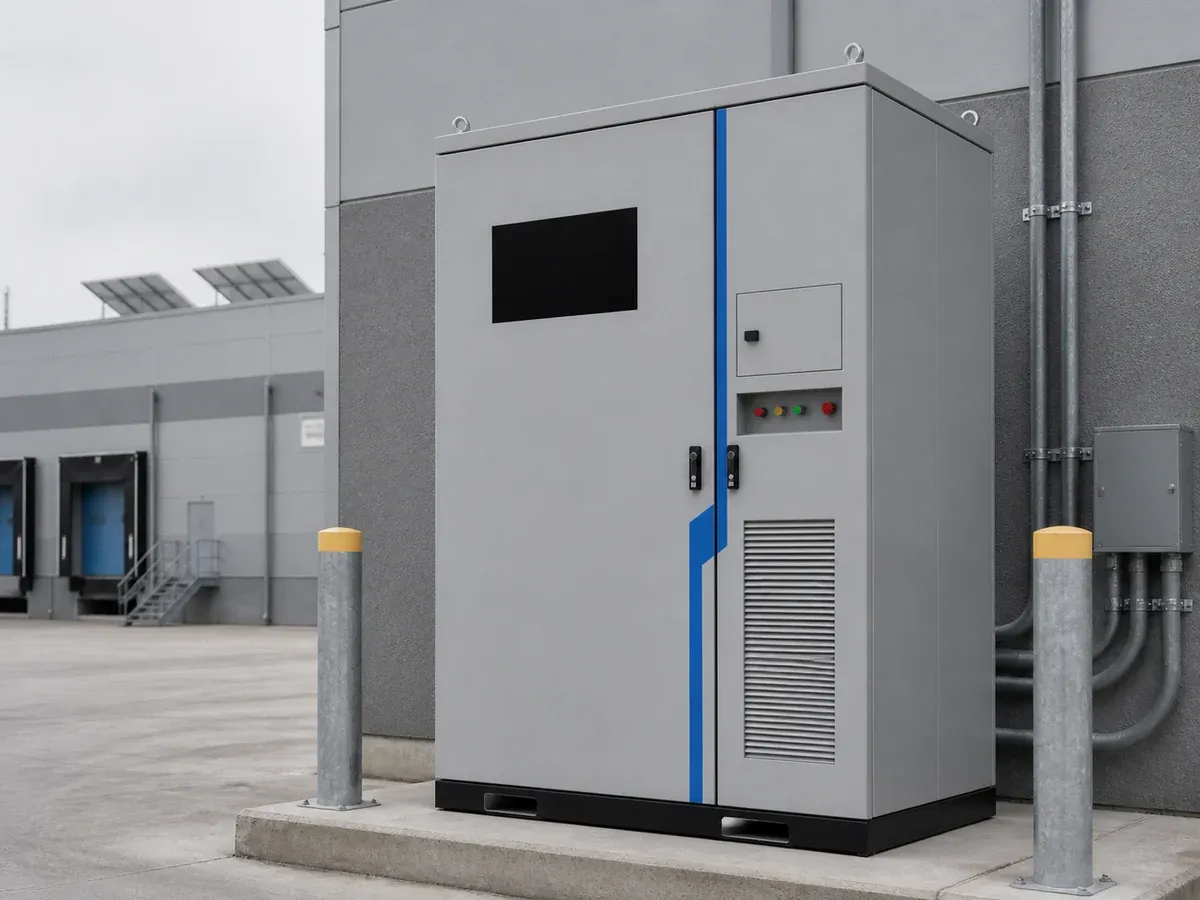
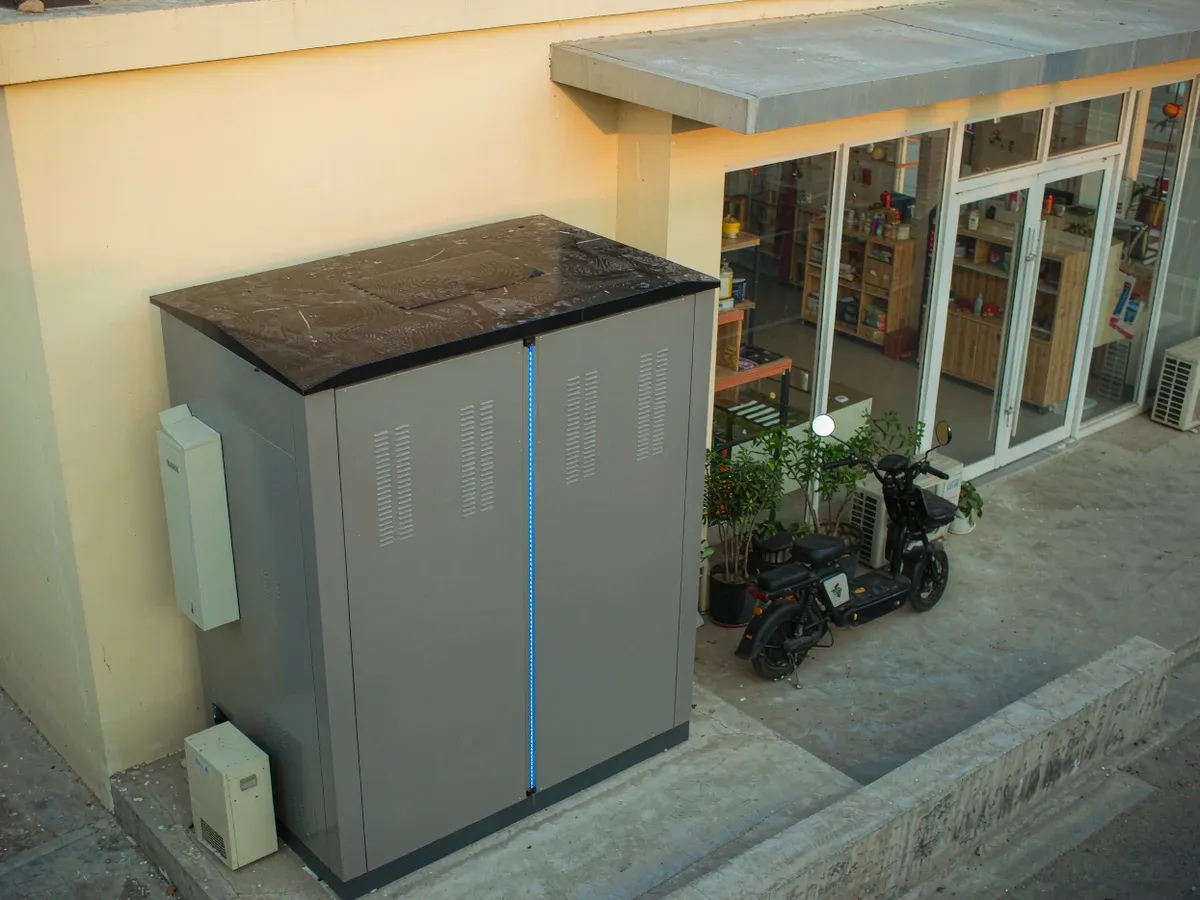
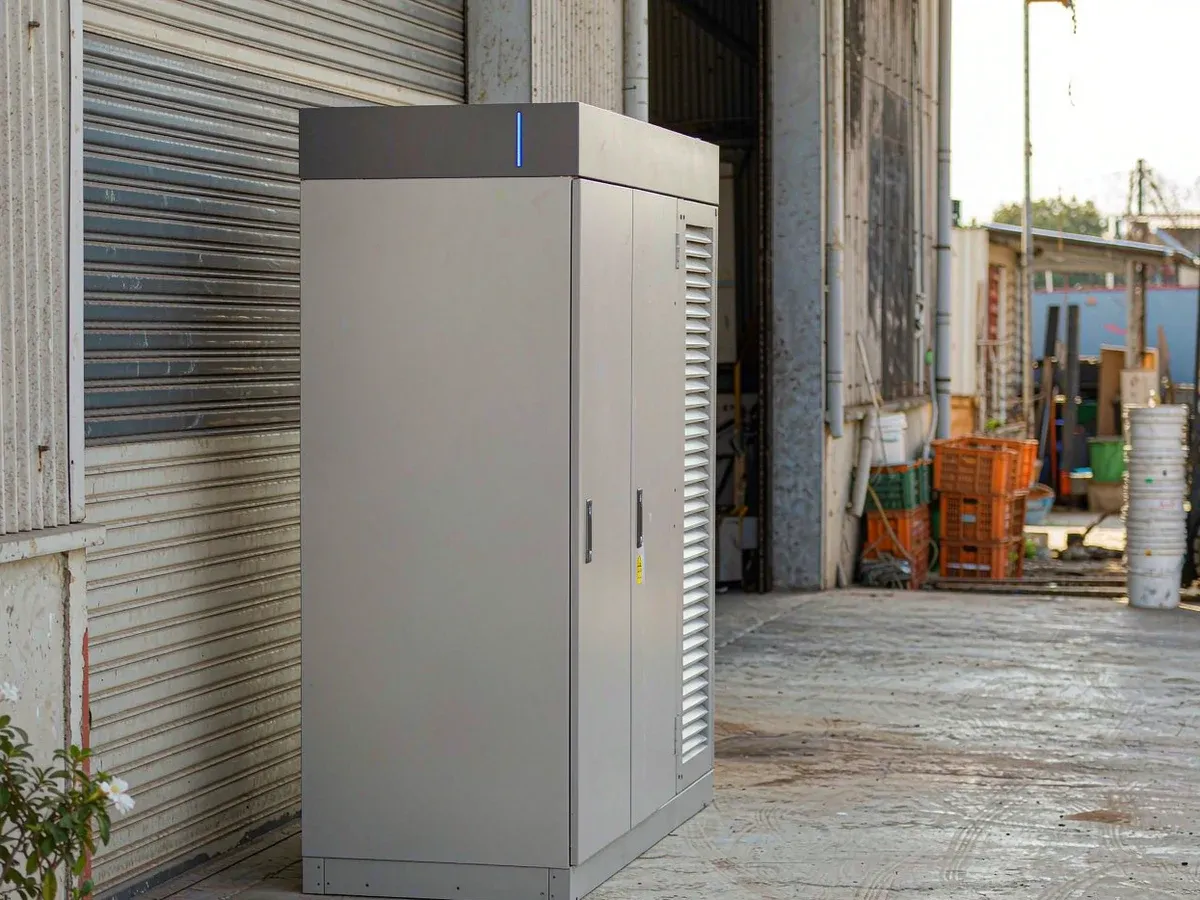
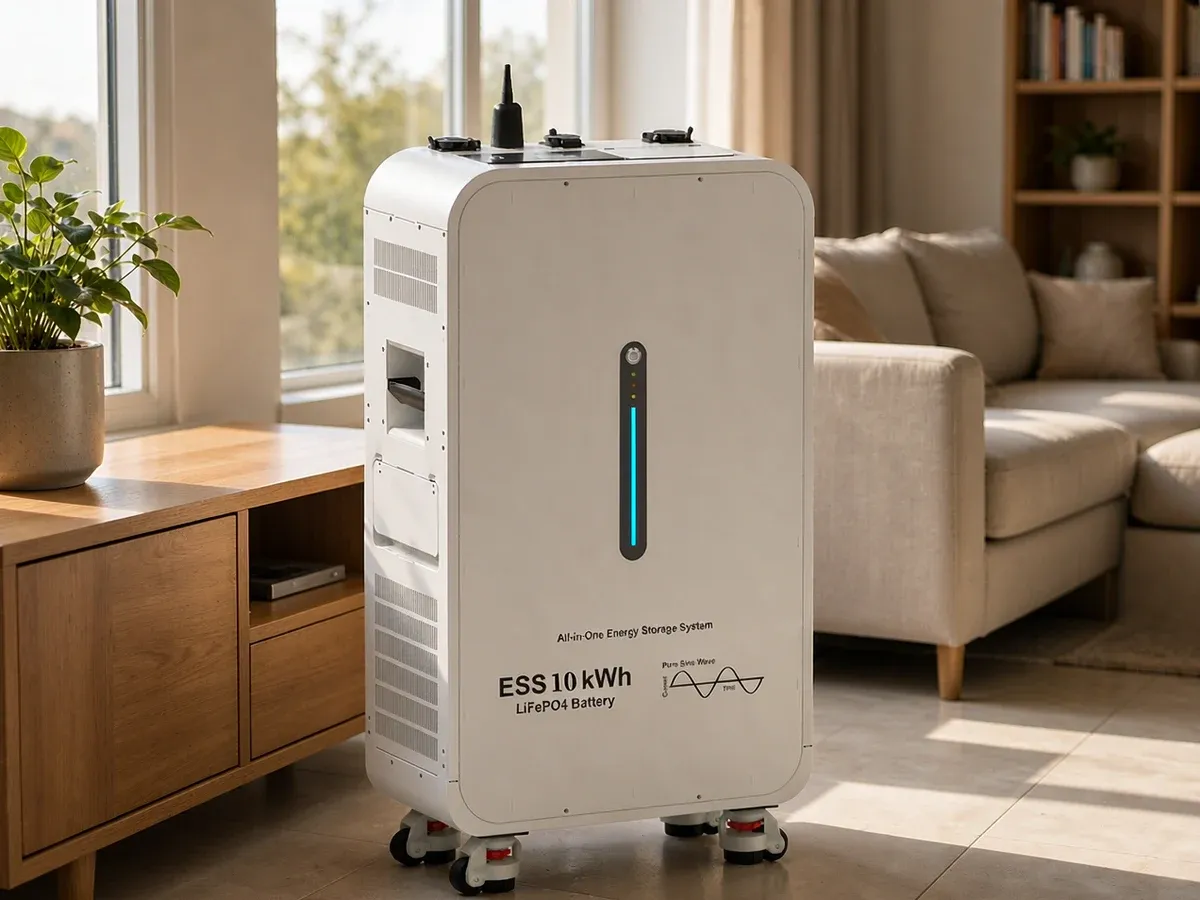
Most home systems today use one of three: LiFePO4 (a lithium iron phosphate chemistry, often written LFP), NMC (nickel-manganese-cobalt, the other common lithium family), and lead-acid in flooded or AGM form. They are not interchangeable. A 16kWh LiFePO4 cabinet and a rack of lead-acid blocks may both say "home battery," but they behave nothing alike once installed.
Safety is where LFP pulls ahead at home
LFP is the calmest of the three. Its cathode stays stable at much higher temperatures, so the risk of a runaway fire from a cell fault or overcharge is materially lower than with NMC. That is why it is the default for home energy storage placed inside living spaces. Lead-acid will not thermal-runaway the same way, but it vents hydrogen gas while charging and must sit in a vented, spark-free enclosure — a real constraint in a bedroom-adjacent utility room. NMC is safe when the BMS and thermal design are good, but its narrower safety margin is the reason codes and insurers scrutinize it more.
Cycle life is where the price tag actually hides
A battery you replace twice costs more than one you buy once. LFP typically delivers 3,000-6,000 cycles at 80% depth of discharge; NMC lands near 1,000-2,000; flooded lead-acid around 500-1,200. Those are industry-accepted ranges — confirm the exact figure against the cell spec sheet, because cycle count collapses if you discharge deeper than the rated DoD. The honest read: lead-acid looks cheap at the counter and expensive after year four.
Cold weather exposes the real differences
Below about 0°C, lead-acid capacity can halve and its plates sulfate if left discharged; LFP keeps most of its capacity but its charge acceptance drops, so a cold bank needs a charger that tapers correctly; NMC sits in between. If your battery lives in an unheated garage in a cold-climate market, ask the supplier for the low-temperature charge curve before you trust the label.
Home-storage scorecard: LFP vs NMC vs lead-acid
- Safety at home: LFP best, lead-acid needs venting, NMC needs the strongest BMS and thermal design.
- Cycle life at 80% DoD: LFP 3,000-6,000, NMC 1,000-2,000, lead-acid 500-1,200.
- Energy per kilo: NMC highest, LFP middle, lead-acid lowest (heavy and bulky).
- Cold behavior: lead-acid worst, NMC middle, LFP acceptable with a cold-rated charger.
- Maintenance: lead-acid needs watering and equalizing, LFP and NMC are sealed and hands-off.
- Upfront cost per kWh: lead-acid lowest sticker, LFP highest, NMC between — but total cost per cycle usually flips that order.
When LFP is the wrong call
It is not always the answer. If every kilogram and centimeter counts — a small boat, a cramped camper, a weight-limited rooftop — NMC's density may justify its narrower safety margin. If the budget is near zero and someone will maintain the bank weekly, flooded lead-acid still works. And if you need sustained high current in deep cold, none of the three is magic: size the inverter and ask for the low-temp curve. The point is to match chemistry to the room and the routine, not to chase a spec-sheet winner.
What to verify before you pay
Treat the datasheet as a claim, not a fact. Before wiring a system in, ask the supplier for the cell grade and maker (A-grade, traceable cells beat mystery pouches), a cycle-life test report at 80% DoD and 25°C, UN38.3 and MSDS for transport, and the BMS specification — over-current, over-temperature and cell-balancing limits. Our technology page lists what a proper BMS should police. None of these are things to guess from a brochure; a one-line email request separates a real factory from a relabeler.
Frequently asked questions
Is LiFePO4 safe to keep inside a house? Yes, in a properly specified system — its high thermal-runaway threshold and sealed construction are why it is the standard for indoor home storage. Keep it on a non-combustible floor, away from living-space ignition sources, per local code.
Does LFP really last 10 years? Often, because 3,000-6,000 cycles at 80% DoD covers roughly 8-15 years of daily home use. Lifespan still depends on temperature, DoD and how hard the inverter pushes it — verify the test conditions, not just the number.
Can I add LFP to an existing lead-acid bank? Only with a hybrid inverter that manages two battery types on separate ports and charge profiles. Mixing them on one string will overcharge one chemistry; do not.
Why does my runtime drop in winter? Cold cuts lead-acid capacity sharply and slows LFP charge acceptance. If the bank sits in an unheated space, expect 10-30% less usable energy and size the system for the coldest month, not the mild one.
Inquiry checklist you can paste into an email
- Tell us your daily kWh use and which loads must never drop (fridge, lights, pump, comms).
- State your inverter's continuous kW and the voltage (48V / 51.2V common for LFP).
- Say where the battery will sit (indoor closet, garage, outbuilding) and the lowest temperature it sees.
- List the certificates your market requires (UN38.3 / MSDS minimum; IEC/UL per destination).
- Ask for the cycle-life report at 80% DoD and the cell grade before you pay a deposit.
Send those five lines to our team and you will get a sized quote instead of a brochure. Chemistry is the first decision; the other four decide whether the system actually survives your house.