Commercial Battery Storage for Peak Shaving and Demand Charges: What Facilities Actually Save
Demand charges can outrun a facility's whole energy bill in some tariffs. This guide shows facility managers and EPCs how commercial battery storage flattens peak demand, how to size it, and which sup
Commercial Battery Storage for Peak Shaving and Demand Charges: What Facilities Actually Save
Demand charges can outrun a facility's whole energy bill in some tariffs. This guide shows facility managers and EPCs how commercial battery storage flattens peak demand, how to size it, and which supplier documents prove a project is real before you trust a single savings number.
A single fifteen-minute spike can dominate a commercial electricity bill for the entire month. In many C&I tariffs across Asia, Africa and the Middle East, the highest average kilowatt draw recorded in a billing period sets a charge that multiplies across every hour you are billed, often dwarfing the cost of the energy you actually used. A commercial battery sized to shave that peak can erase the charge on the days it fires, and the payback is driven far more by your tariff structure than by the battery's price tag. This guide walks facility managers and EPCs through what peak shaving does, how to size it, and the documents a supplier must hand over before you believe a savings claim.
What a Demand Charge Actually Is
A demand charge is not an energy charge. Energy is priced per kilowatt-hour; the demand charge is priced on the rate you pulled at your worst moment. Utilities bill commercial users for the highest average 15- or 30-minute load in the cycle, then apply that peak to the whole month. A factory that runs steady at 200 kW but briefly hits 400 kW to start a compressor pays as if it were a 400 kW customer for weeks. That structure rewards one behavior: never let the peak show up. It also explains why a small battery, fired for a few minutes a day, can erase a charge that a much larger solar array would never touch, because solar follows the sun and the peak follows your machines.
How Peak Shaving Works
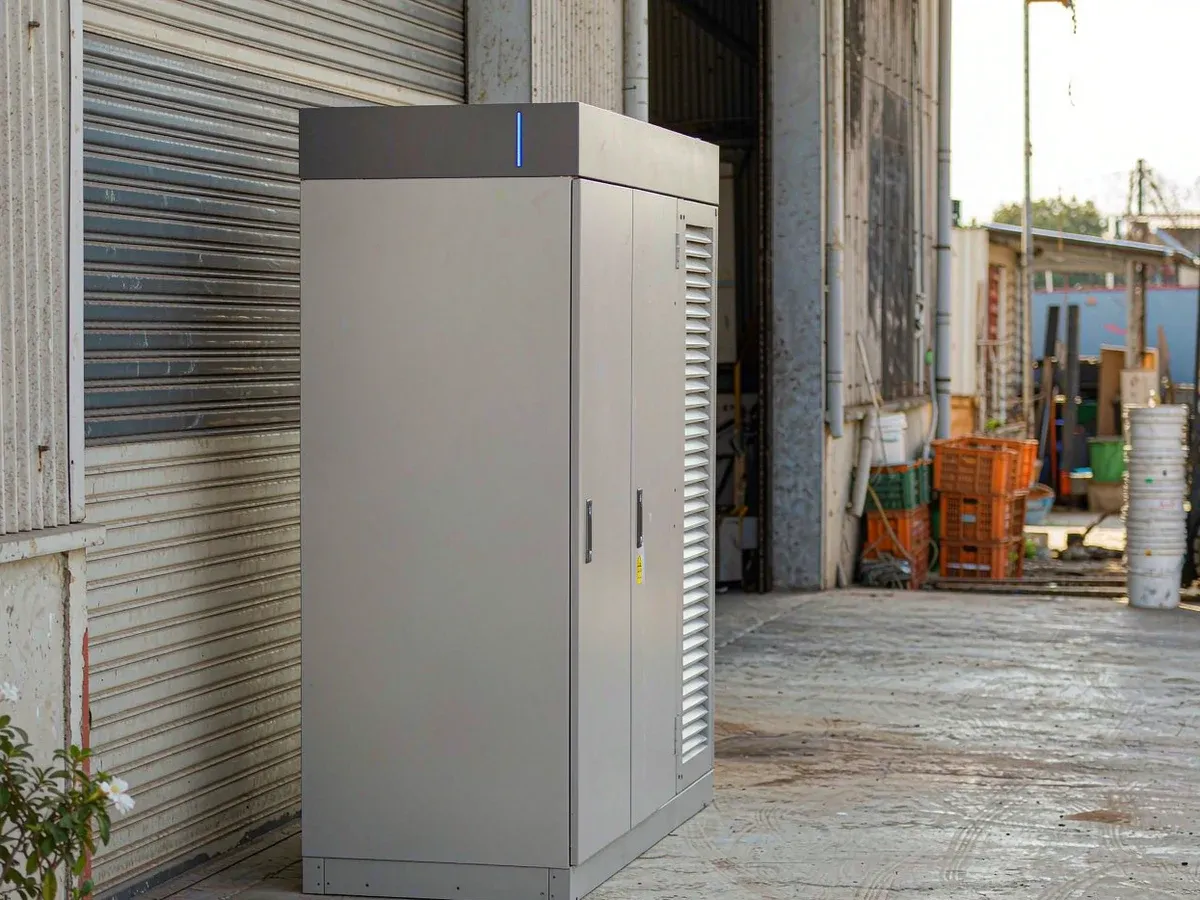
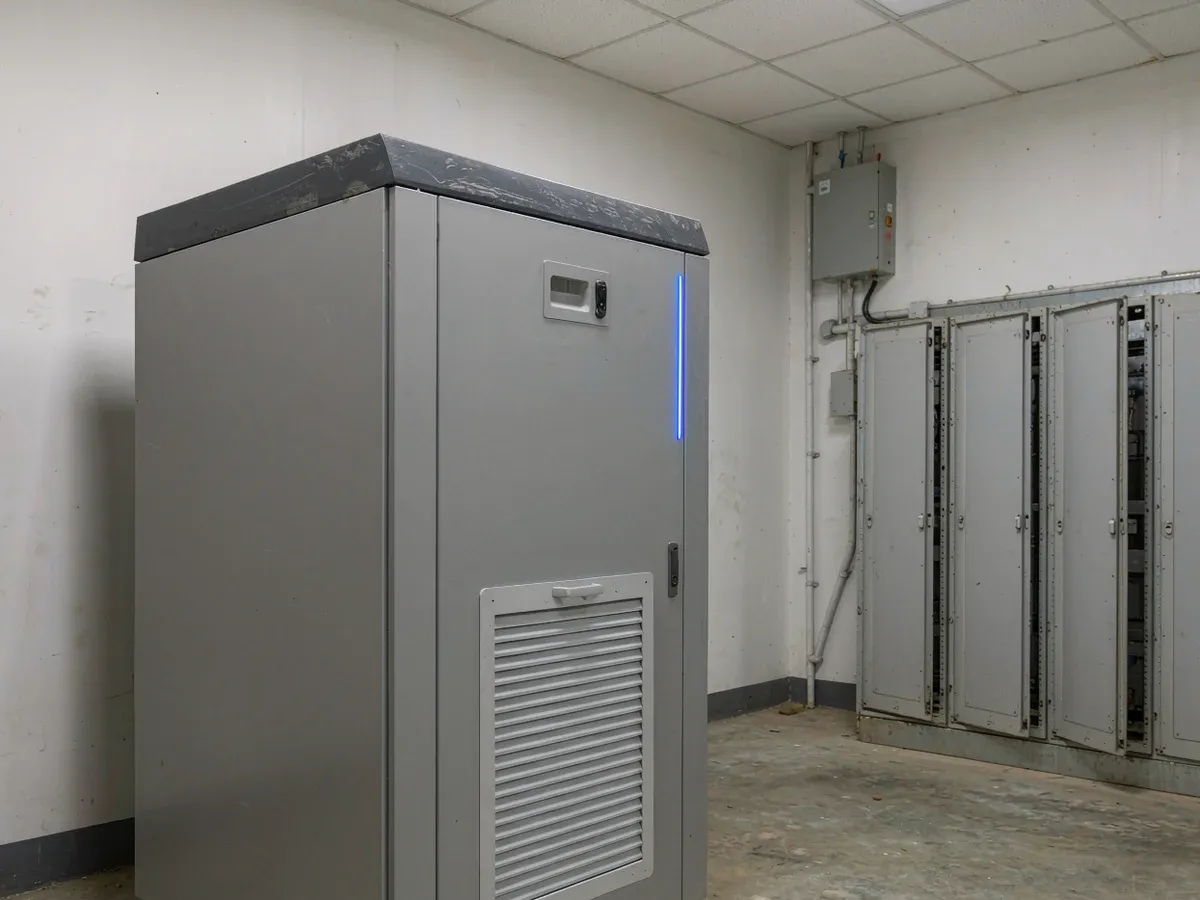
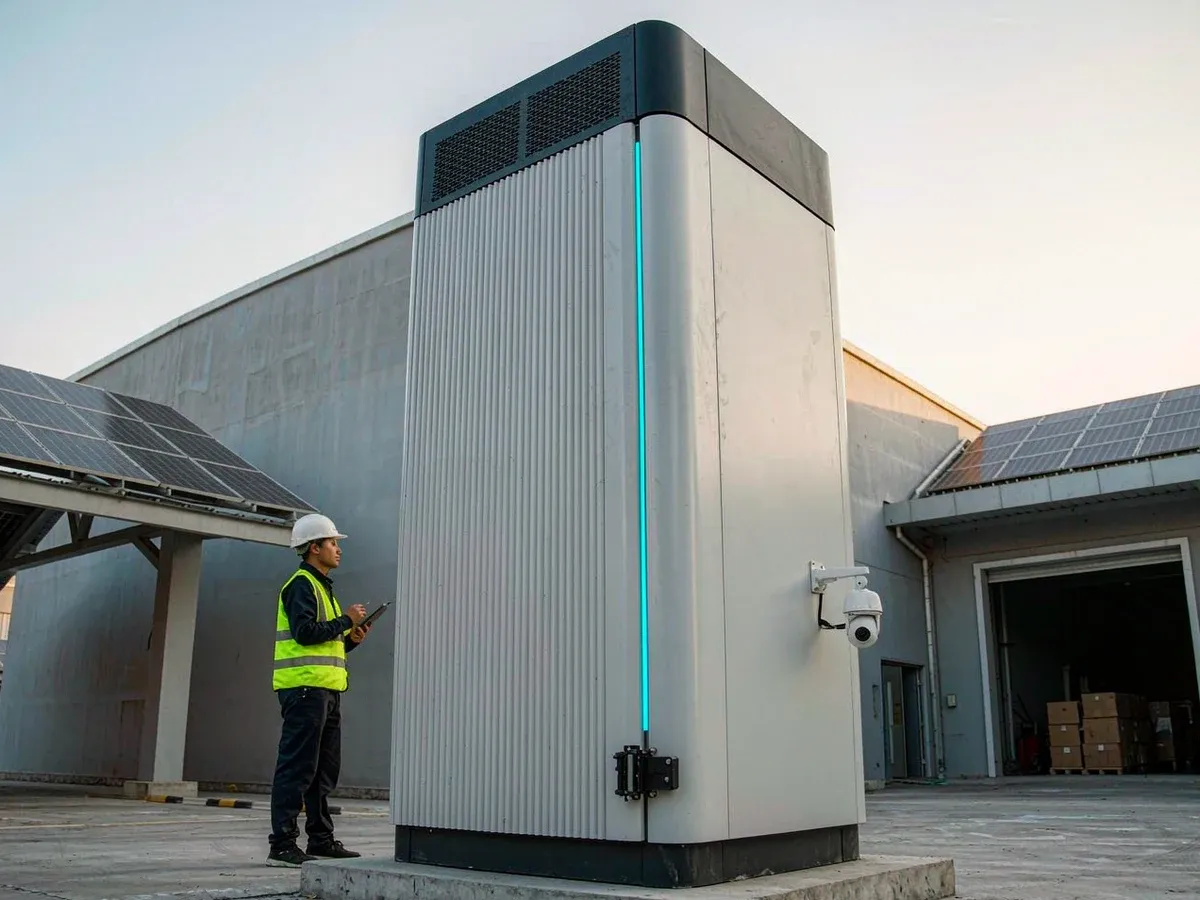
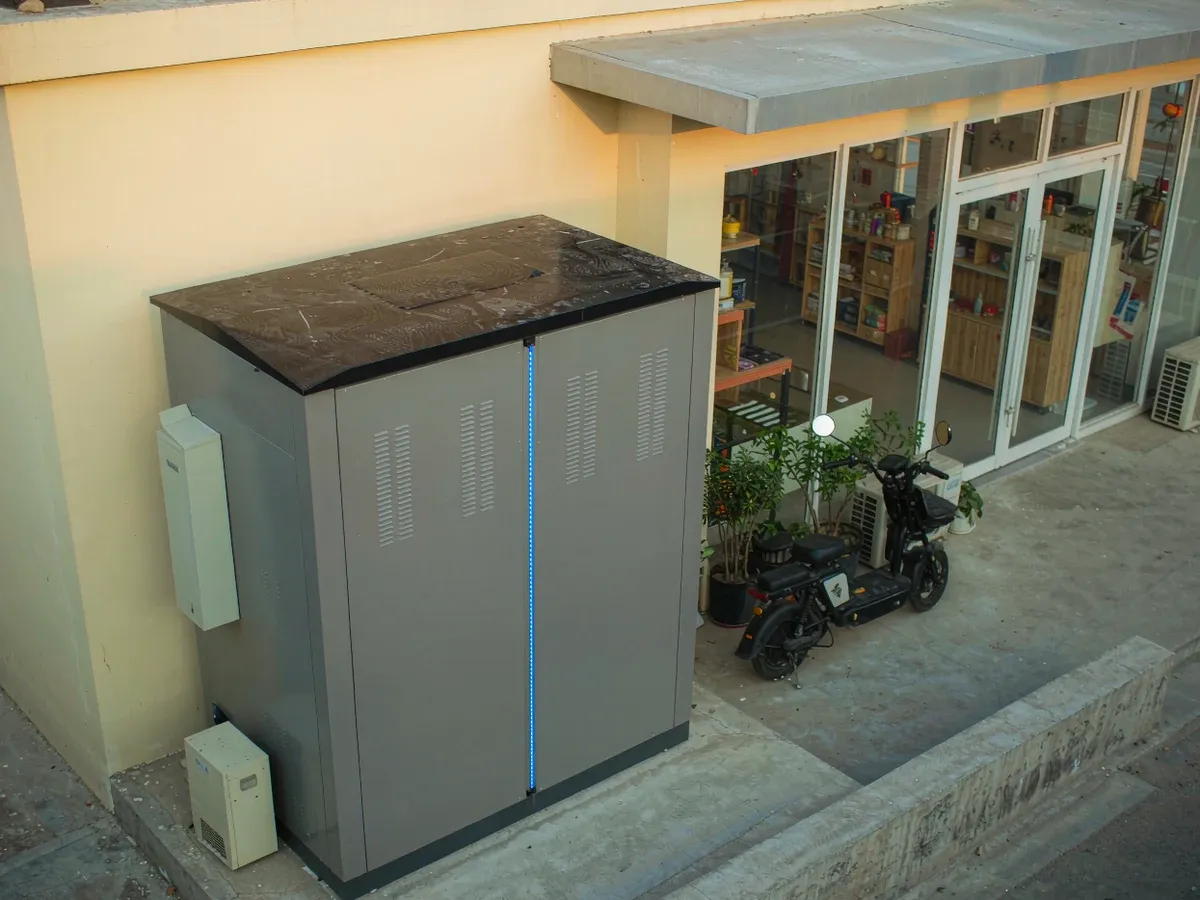
The control logic is simple to describe and harder to tune. The battery sits between your service entrance and the loads. When site demand approaches the contract threshold, the inverter discharges to hold the grid draw just under the line; when demand drops, it recharges from the grid or from on-site generation. Two details decide whether it works. First, the battery must respond inside the utility's metering window, so response time and the inverter's ramp rate matter more than headline capacity. Second, you need headroom: a system sized to the exact peak will clip on the day a second machine starts early. Most practical designs leave a 10-20 percent buffer above the target. You can see how we frame commercial and industrial storage for facilities that run this logic around the clock, and how it fits into broader energy storage solutions for sites that also want backup or self-consumption.
Sizing: How Much Battery a Facility Needs
Sizing starts with a year of interval data, not a guess. Pull the demand history from your meter and find the top five peaks. Subtract the threshold you want to hold, and that gap is the energy the battery must deliver for the duration of each peak. A facility peaking at 400 kW with a 300 kW target needs 100 kW of shaving power for as long as the peak lasts, often 30 to 90 minutes. That points to roughly 50-150 kWh for a small site and into the hundreds of kWh for a plant. The mistake most first projects make is sizing to the single worst day of the year; size to the 95th percentile instead, or you will overpay for a battery that fires twice. Larger sites often land on modular cabinets like a 215 kWh industrial cabinet or a liquid-cooled 144 kWh unit, added in steps as the load profile is confirmed rather than all at once.
When Peak Shaving Pays Off
The economics are obvious in three situations. Your tariff carries a high demand charge per kilowatt and a low energy rate, so every shaved kilowatt is pure margin. Your peaks are short and predictable, a few compressor starts or a batch process, rather than a flat all-day high. And your site already has the space and headroom to install a cabinet without a service upgrade. It pays far less where energy is cheap and demand charges are tiny, or where the peak is flat all day and would need a battery the size of the building. Be honest about the second case: a battery cannot fix a facility that runs at peak for eight hours, and a supplier who claims it can is selling capacity, not savings. Configurable C&I project designs exist precisely because no two sites share a load curve, and forcing a standard box onto the wrong curve is how pilots get a bad name.
Parameters Your Supplier Must Confirm
Before you ask for a quote, lock down the numbers that actually change the design. The contract demand threshold from your utility. The metering window, 15 or 30 minutes, because it sets how fast the battery must react. Your peak duration and how many peaks hit per day. The AC voltage and phase of the service. Whether you want grid-only shaving or solar-coupled operation. And the ambient temperature range, because a cabinet specified for a temperate warehouse will derate hard in a Gulf summer. Hand that sheet to the supplier and ask for a system that meets it, not a catalog part number. A supplier who quotes from your load profile, not their stock list, is the one worth a second email.
A Simple Payback Sketch
Sketch the math before anyone quotes hardware. Take your demand charge rate, multiply by the peak kilowatts you can shave, and you get monthly savings. A site shaving 100 kW at a charge of 15 per kilowatt saves about 1,500 a month, or 18,000 a year, before any energy arbitrage. Divide that by the installed cost and you have a payback; most commercial peak-shaving projects we see land between three and six years, faster where demand charges are steep. Treat anything promising under two years with suspicion unless the tariff is unusually punishing. The honest number beats the pretty one, because the bank financing the project will run the same sketch, and a savings model that does not survive a spreadsheet will not survive a loan committee.
Questions Facility Managers Ask
How big a battery do I need for peak shaving?
Start from interval meter data and size to the 95th-percentile peak, not the annual worst. Small sites often need 50-150 kWh; plants need several hundred. The buffer above your target threshold matters more than the exact headline capacity, because clipping on an early-start day is what silently kills savings. Ask the supplier to show the size against your own top-five peaks, not against a generic table.
Will it work with my existing solar?
Usually yes, if the inverter is configured for it. Solar-coupled shaving recharges the battery during the day and can extend savings into the evening peak, but it adds a control layer. Ask the supplier whether the system is grid-only or PV-ready, and confirm the PV input rating before you assume free recharging, because a PV-ready label on paper and a PV-ready commissioning are two different things.
How long does a project take from order to commissioning?
There is no single number; it depends on whether the cabinet is standard or configured, and on your local permit and interconnection steps. What you should expect is a clear working-day lead time for the hardware and a written commissioning plan that names who sets the peak threshold and verifies it against your meter. A supplier vague on both is vague on delivery, and a peak-shaving project is only worth anything once the threshold is set correctly.
Which certificates should the supplier provide?
Request the documents that match your market: IEC 62619 and, where relevant, UL 9540A for the system, plus UN38.3 and MSDS for shipping the cells. Ask for the certificate numbers and verify them with the issuing body rather than trusting a PDF, because a certificate that cannot be looked up is a decoration. None of these prove cycle life, so read any cycle claim against its test conditions, depth of discharge and temperature, before you bank it as a year-three saving.
Tell Us Your Load Profile
If you manage a facility where demand charges sting, send us your interval data or your worst five peaks, your AC voltage, and whether generation is already on site. You will get a sizing sketch and a document checklist back, not a brochure, and if a smaller or larger configuration fits your curve better than what you expected, we will say so. Start the conversation.