Residential Energy Storage for Hotels and Small Shops: A Buyer's Sizing and Verification Guide
A battery cabinet helps a hotel or small shop survive outages, protect the cold chain and shave peak tariffs. This guide shows owners how to size storage to critical loads, which supplier documents to
Residential Energy Storage for Hotels and Small Shops: A Buyer's Sizing and Verification Guide
A battery cabinet helps a hotel or small shop survive outages, protect the cold chain and shave peak tariffs. This guide shows owners how to size storage to critical loads, which supplier documents to verify, and a copy-paste inquiry checklist for Asia, Africa and the Middle East.
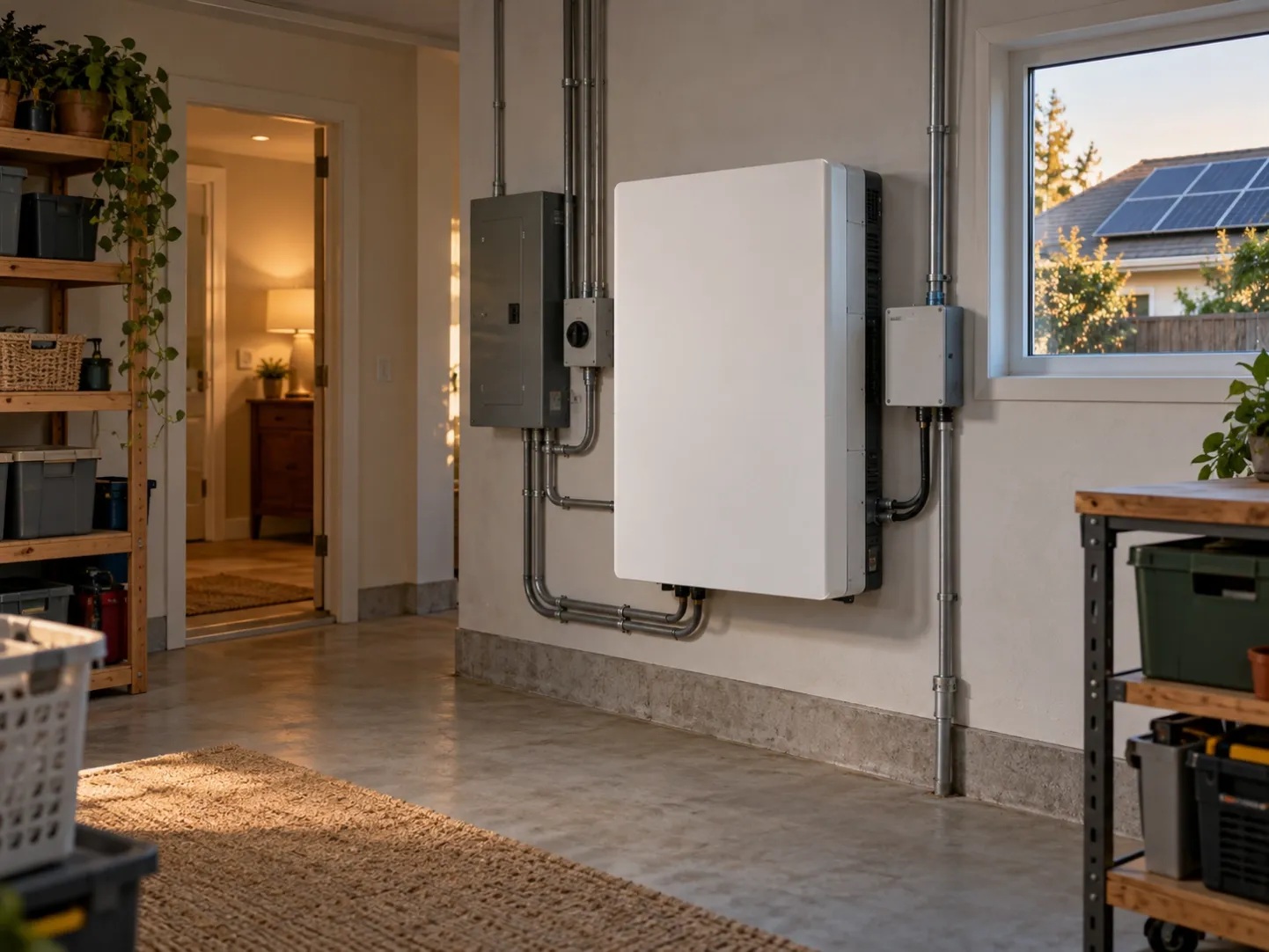
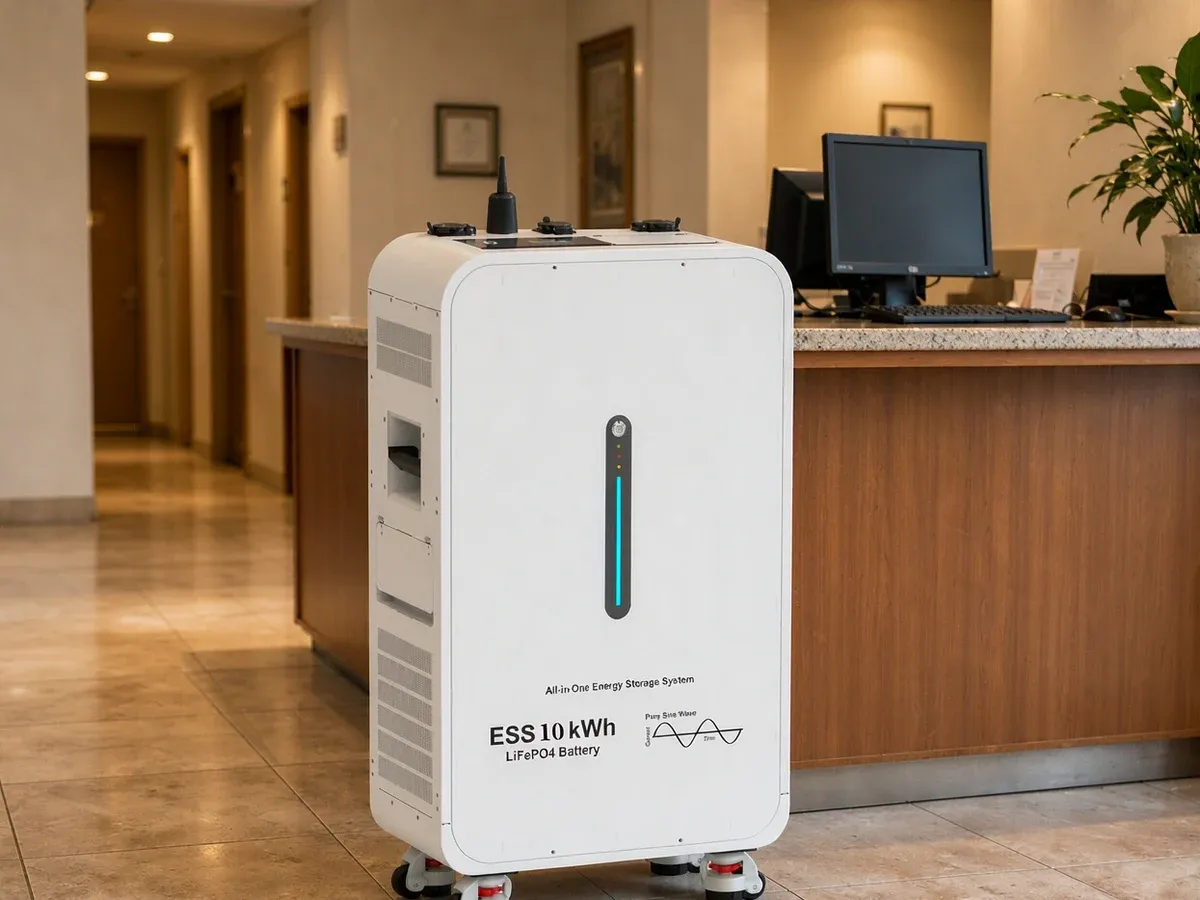
Add battery storage the moment outages start costing you bookings, spoiled stock, or angry guests, or the moment your tariff rewards shifting load off the peak. For most guesthouses and retail shops across Asia, Africa and the Middle East, the practical starting point is a single 10-16 kWh LiFePO4 cabinet per building, sized to the loads you cannot afford to lose: reception, point-of-sale, lights, a drinks fridge, and the router. Storage is not only for villas; the same cabinet that backs up a home works for a small business when you size it to the right loads.
Why Hotels and Small Shops Reach for Storage
Outages in tourist belts and busy markets are rarely long, but they arrive at the worst time: a Friday dinner service, a checkout queue, a heatwave when the fridge matters most. A hotel loses more than comfort; guests remember a blacked-out stay and review it publicly. A shop loses the sale and the cold chain. Generators cover multi-day outages but are loud, need fuel, and sit untested between events. A battery starts in milliseconds and on normal days shaves the peak or stores cheaper off-peak energy. See how this fits broader energy storage solutions before you commit.
How to Size It: Match the Cabinet to the Building
Pick the cabinet from your essential loads, not a catalog number. Use this quick reference as a first cut, then confirm with a load sheet:
- A 5-10 kWh cabinet covers a small shop: POS terminal, display lights, one drinks fridge, card reader, router.
- A 10-16 kWh cabinet covers a guesthouse floor or a small hotel's critical circuits: reception, lobby and corridor lighting, a few guest-room branches, the front-desk fridge, the Wi-Fi.
- Two or more 16 kWh cabinets, such as a second 16 kWh villa unit, cover a whole small hotel, but only if you back up essential circuits, never every socket.
What matters is essential-load kilowatts times required hours, not square meters: a 10 kWh cabinet runs a 1.5 kW shop load about six hours, a 6 kW hotel load about ninety minutes. State your hours and let the supplier size to it.
Where the Boundary Is: Hotels vs Shops
Storage fits a hotel differently from a shop. A hotel's critical loads spread across floors: the front desk, breakfast cold storage, the Wi-Fi, enough corridor lighting to avoid a panic. A shop's loads are tighter: the till, the display, the fridge, the card reader. A hotel should plan for longer runtime because guests cannot wait it out. If your property is a large resort or a factory drawing hundreds of kilowatts, you have outgrown the residential cabinet; look at commercial and industrial storage instead. Oversizing a small cabinet for a big load is the most common and most expensive mistake.
When Storage Pays, and When a Generator Still Wins
Be honest about where a battery is the wrong first purchase. It pays when outages are frequent and short, fuel delivery is a headache, or you pay a punishing peak tariff. It loses to a generator in three cases: outages are rare and brief; your critical loads are tiny and a UPS already covers them; or you need two-plus days of runtime with no recharge, which a battery alone cannot store economically. Facing long blackouts with no solar and no fuel, pair the battery with a generator. A supplier who claims one cabinet ends every outage is selling capacity, not a solution.
The Numbers You Must Hand the Supplier
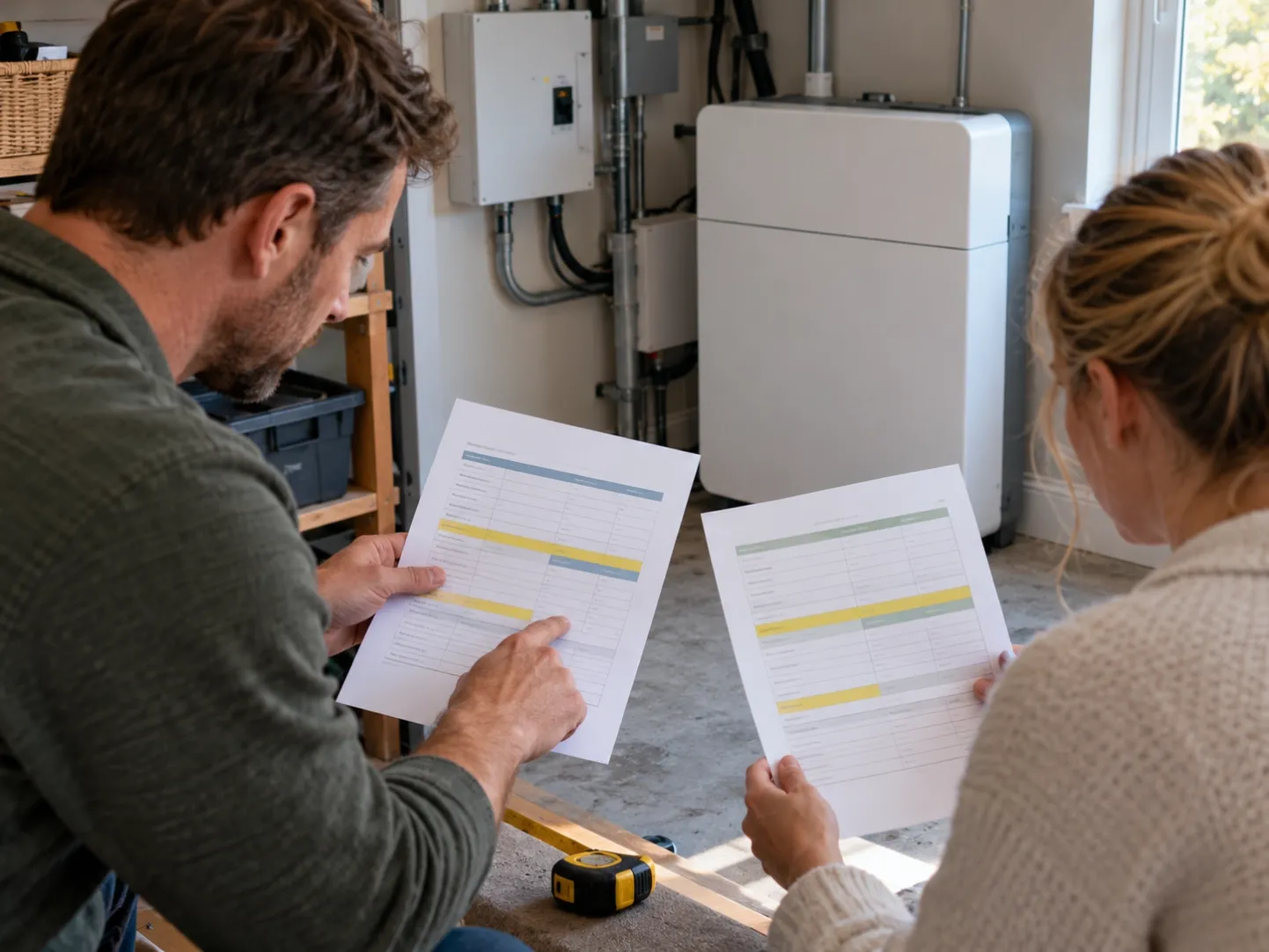
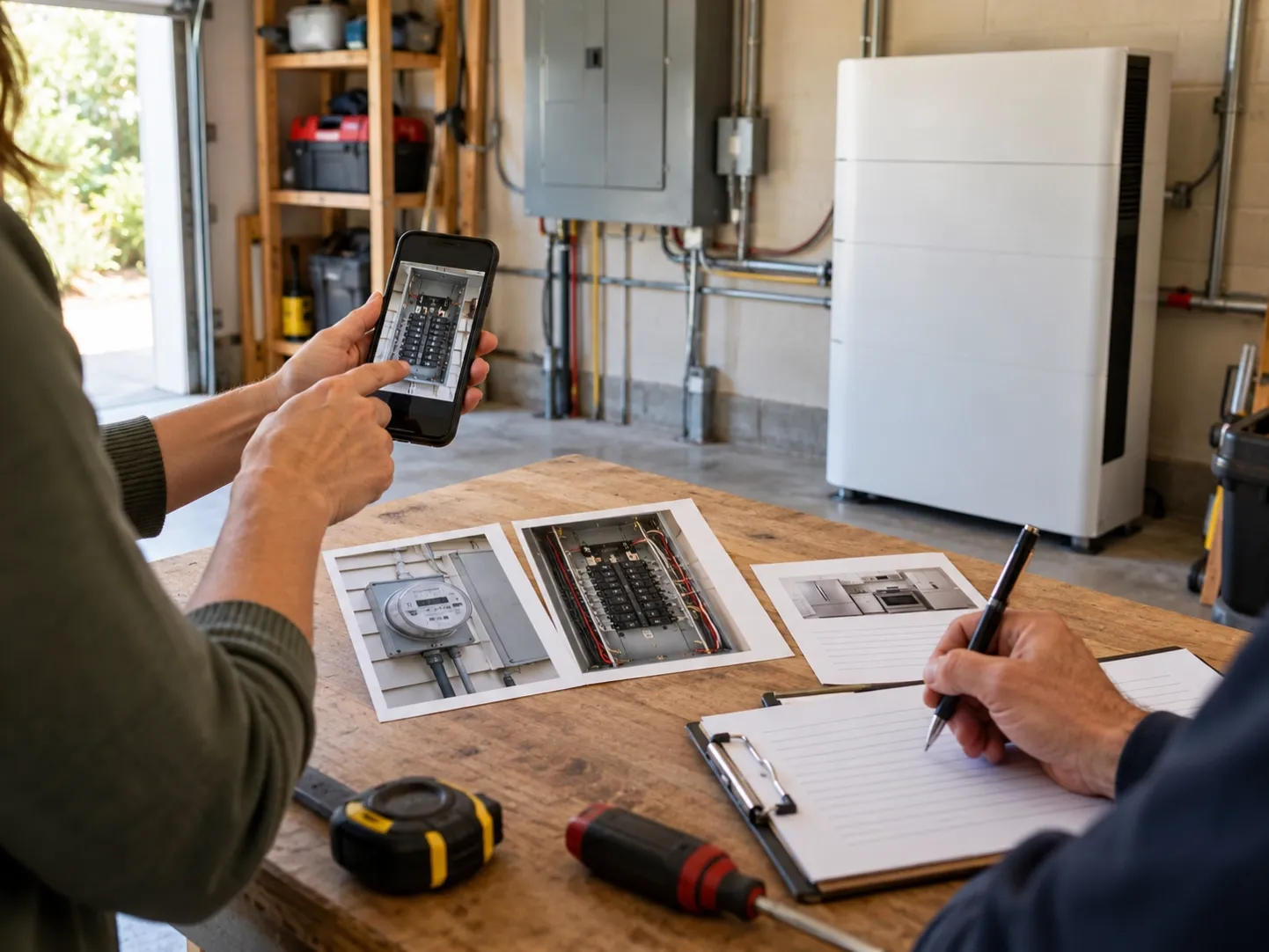
Before asking for a quote, write down what changes the design: service voltage and phase, because a single-phase shop and a three-phase hotel need different inverters; essential-load kilowatts and required runtime hours; the ambient temperature range, because a cabinet specced for a mild warehouse derates hard in a hot-climate summer; whether you want grid-only backup or PV-coupled operation; and any space or weight limit where the cabinet will sit. Hand that sheet over and ask for a system that meets it; a supplier who quotes from your load sheet, not a catalog number, is worth a second email. Our factory page explains how configurable builds are handled.
Lead Time, MOQ and Pilot Units: Confirm Up Front
None of these figures should be taken on faith. Lead time depends on whether the cabinet is a standard build or configured to your site, plus local import steps, so request a written working-day number and a commissioning plan naming who sets the parameters. MOQ and tiered pricing follow volume: ask for the written price ladder at 1, 5 and 20 units to see the real curve instead of a single quote. Running several properties? Ask for a single-cabinet pilot first; one unit proves the load profile before you commit the fleet. Treat any 'fast and cheap' answer without a document as unconfirmed.
Testing and Acceptance: How to Know It Really Works
Delivery is not the finish line. Request the factory commissioning report and, on site, run a controlled discharge against your essential load for the rated hours; never trust a capacity number you did not measure at your temperature. The cells should ship with UN38.3 and MSDS documents, which prove safe transport, not ten-year life. For the system, ask for IEC 62619 and, where your market requires it, UL 9540A numbers, then verify them with the issuing body rather than trusting a PDF. No certificate proves cycle life; read any cycle claim against its test depth-of-discharge and temperature. Solid after-sales support names who commissions the unit and how remote faults are handled before you sign.
A Checklist You Can Paste Into Your Inquiry Email
Copy this and send it to any supplier you are comparing:
- Our essential loads total about __ kW (list them: ___).
- We need them to run for __ hours during an outage.
- Service is __ V, __ phase, located in __ (country or region).
- Ambient temperature range is __ to __ degrees C.
- We run __ properties; can you supply a single-cabinet pilot before a full rollout?
- Send written lead time, MOQ and the price ladder for 1 / 5 / 20 units.
- Which certificates ship with the cells (UN38.3, MSDS) and the system (ask for IEC 62619 / UL 9540A numbers to verify)?
- What do commissioning and after-sales cover, and from where?
Common Questions From Hotel and Shop Owners
Does a 10kWh unit cover a whole small hotel?
Rarely the whole building, and it should not try to. A 10 kWh cabinet backs up the loads that cost you money or guests when they stop: reception, POS, lights, the front fridge, the router. Powering every guest room through an outage means a battery the size of a room and a payback that never closes. Pick the essential circuits and let the rest drop; add a second cabinet later if you want fuller coverage.
Can I add more cabinets later as the business grows?
Yes, if the system is designed for it from day one. Ask whether the inverter supports parallel cabinets and what the maximum stack is, because retrofitting expansion is harder than buying it ready. For a hotel adding floors or a shop opening a second branch, plan the first cabinet as node one of a small cluster, not a final unit. Get the expansion path in writing; a 'just add more later' promise with no parallel spec is not a plan.
Do I need solar for the battery to work?
No. The battery charges from the grid and backs you up with or without solar. PV-coupled operation is an upgrade, not a prerequisite: it recharges during the day and stretches runtime into an evening outage, but adds a PV input rating and a control layer to confirm. No array yet? The cabinet still protects your critical loads; planning panels later? Say so now so the inverter is specified for it.
Which certificates should the supplier provide?
For the cells, expect UN38.3 and MSDS with the shipment, proving safe transport, not ten-year life. For the system, ask for IEC 62619 and, where required, UL 9540A, and request the actual certificate numbers so you can verify them with the issuing body. A certificate that cannot be looked up is decoration. Ask what each covers, and what it does not, because buyers lose money trusting a logo that means less than the salesperson implied.
Send Us Your Load Sheet
If you run a hotel or shop where outages cost real money, send us your essential-load list, your voltage and phase, your required runtime, and whether generation is on site. You will get a sizing sketch and a document checklist back, not a brochure, and if a smaller or larger configuration fits better, we will say so. Start on our contact page or browse the home energy storage range to see what a configured cabinet looks like.