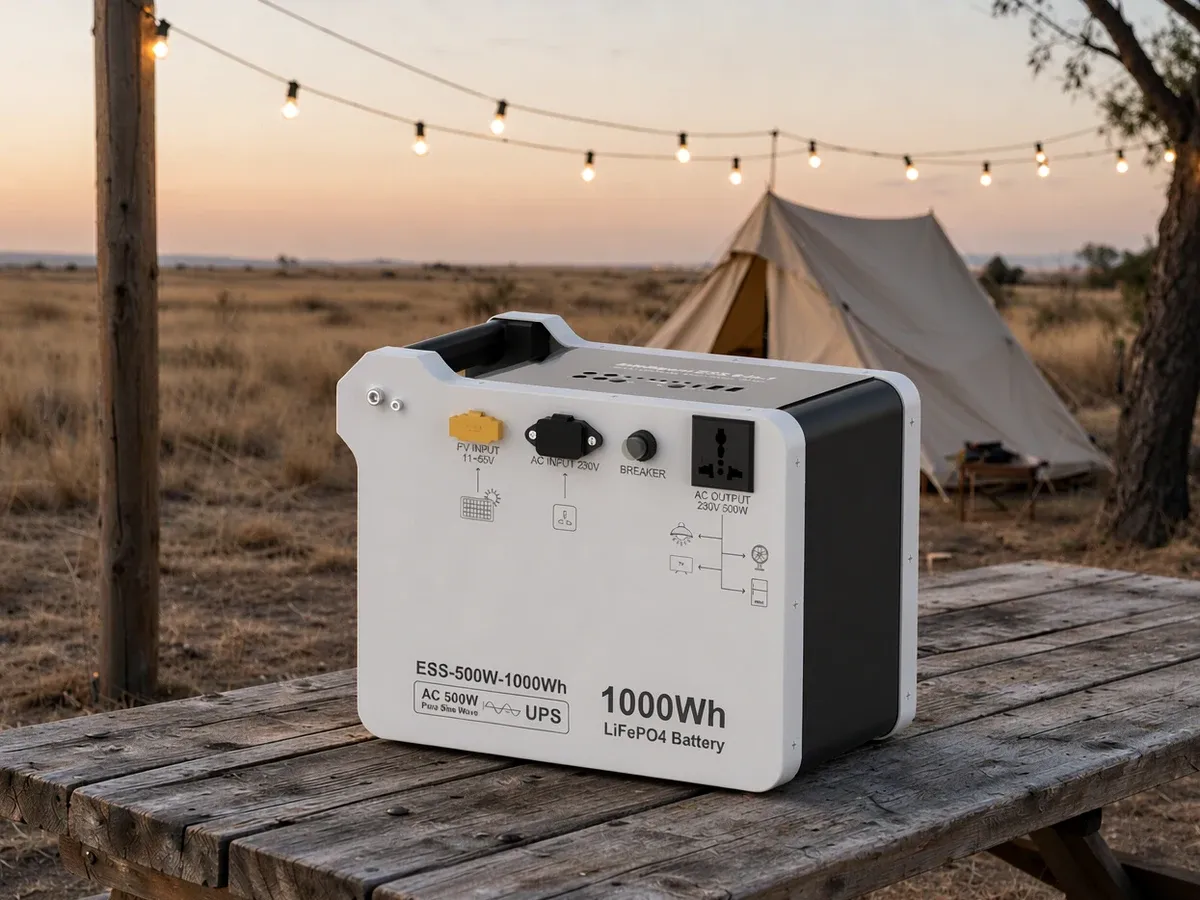
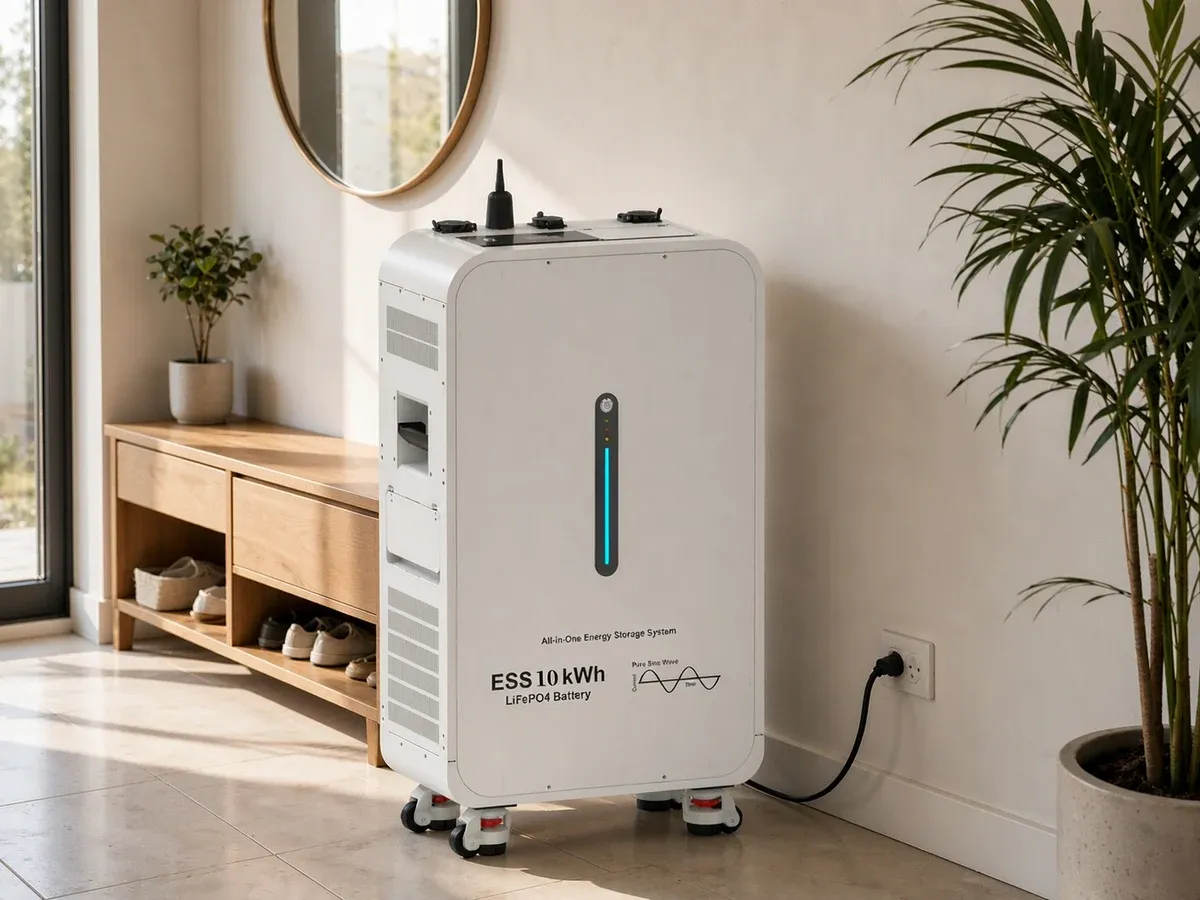
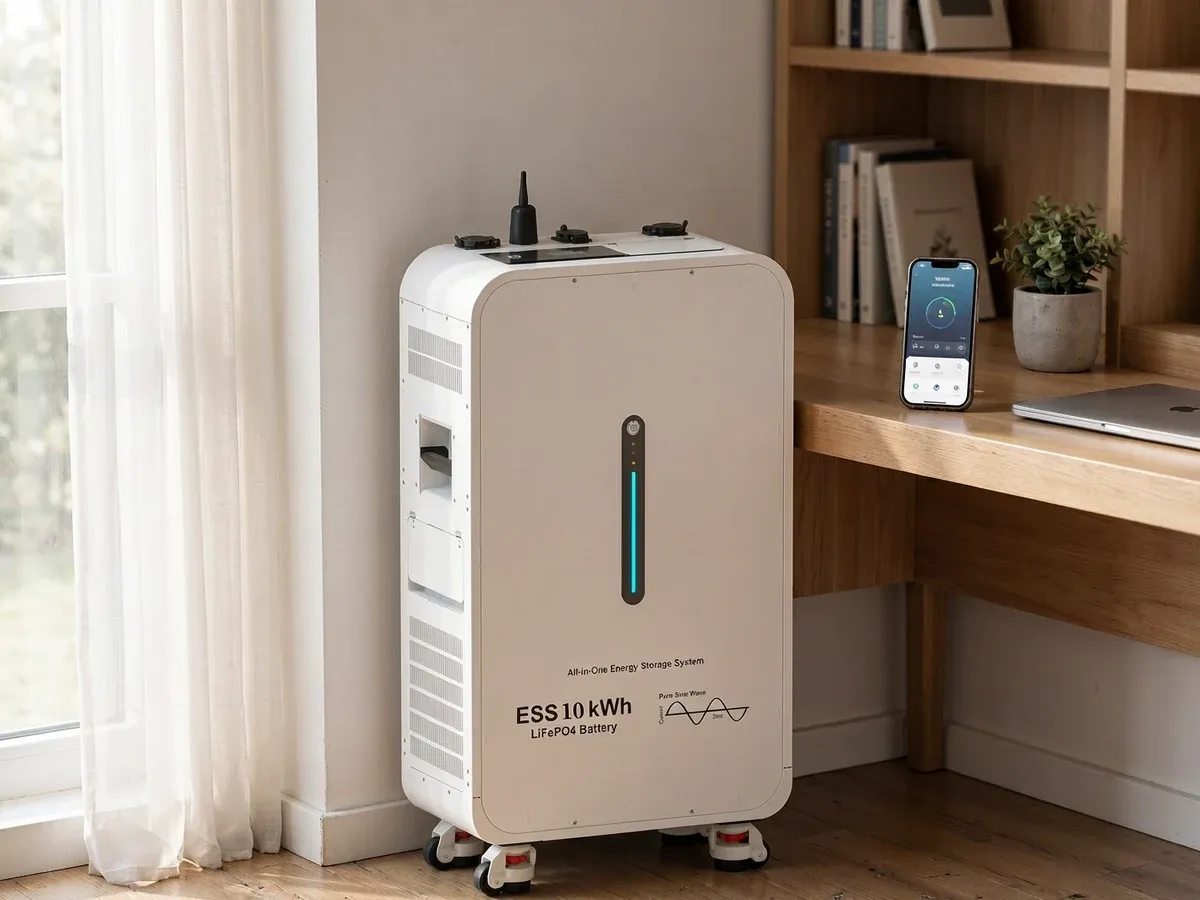
5kWh vs 10kWh Home Battery: Entry-Level Choices for Small Homes and Backup
Pick the entry tier by what you actually need to keep running, not by the bigger number. A 5kWh unit covers lights, a fridge, fans, and the router through most evenings; 10kWh adds air conditioning ho
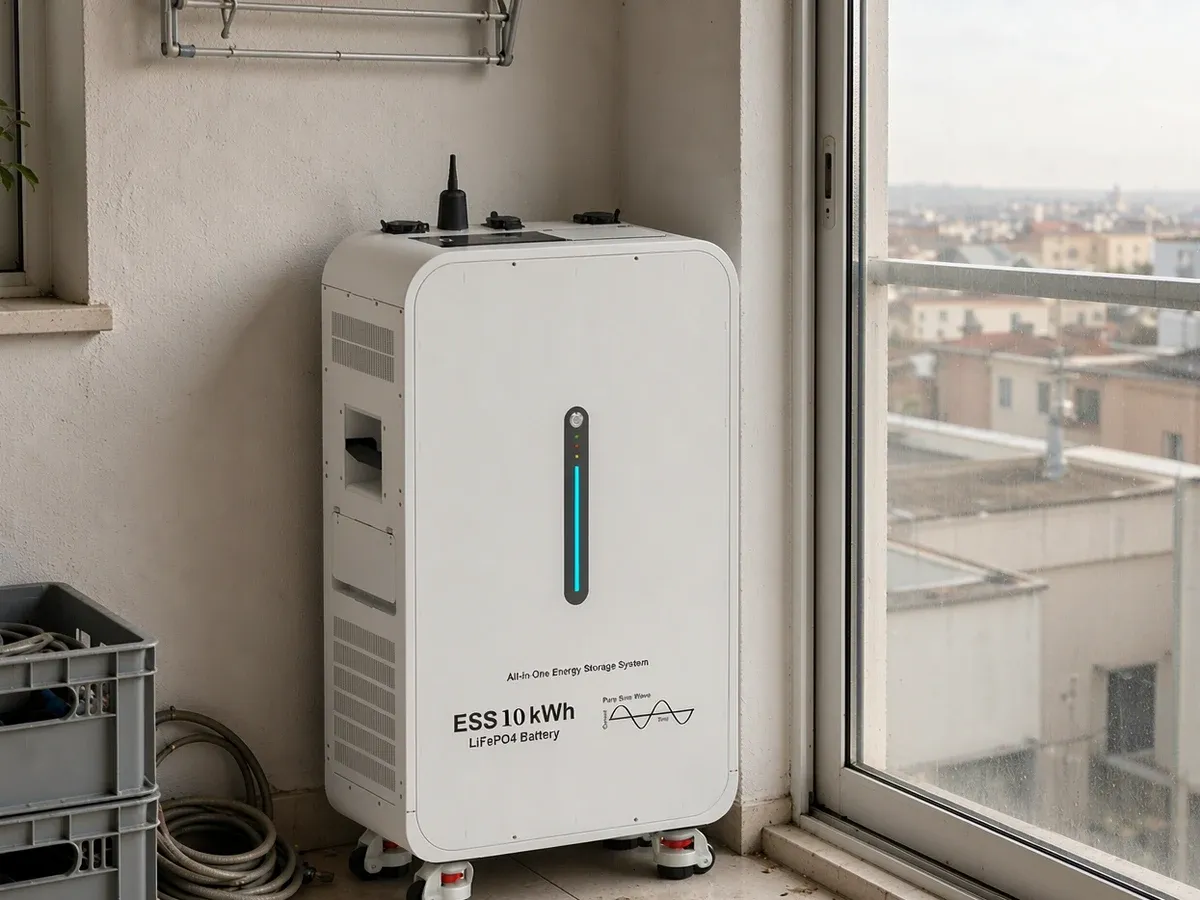
5kWh vs 10kWh Home Battery: Entry-Level Choices for Small Homes and Backup
Pick the entry tier by what you actually need to keep running, not by the bigger number. A 5kWh unit covers lights, a fridge, fans, and the router through most evenings; 10kWh adds air conditioning hours, water pumping, and a full overnight margin. This guide walks through real loads, recharge limits, and the questions that settle the choice in ten minutes.
If your outage plan is 'keep the lights on, the food cold, the fans spinning, and the internet alive,' a 5kWh battery backup unit does that job and costs less doing it. Step up to 10kWh only when you want air conditioning hours, a water pump, or a full night of comfort without watching the percentage drop. That is the whole decision in one paragraph - the rest of this guide is the load math that proves which side of it you are on.
Both sizes sit at the entry end of residential energy storage, and both use the same basic kit: a LiFePO4 pack, an inverter, and a control board in one cabinet. The difference is not quality. It is how much of your evening the battery carries before the grid - or the generator - has to take over.
What a 5kWh Unit Actually Runs
Count in watt-hours and the picture gets honest fast. A 5kWh unit stores roughly 4,500 to 4,800 watt-hours of usable energy once you account for conversion losses. An LED lighting circuit for a two-bedroom flat runs about 100W. A mid-size fridge averages 80 to 150W across the day with compressor spikes. A ceiling fan takes 60W, a router 10W, a 32-inch television 50W, phone and laptop charging almost nothing.
Run those together and you are burning 300 to 400W - call it 12 to 15 hours of runtime, enough to cover a full evening outage and still wake up with charge in hand. Add a 1,000W microwave for ten minutes or an electric kettle for three and you barely feel it. What a 5kWh unit cannot do is feed a 1.5-ton air conditioner for hours or run a borehole pump all afternoon. Those loads alone can eat the entire pack before dinner ends.
What the Extra 5kWh Buys You
A 10kWh all-in-one system doubles the usable window to roughly 9,000 to 9,600 watt-hours, and the loads it unlocks matter more than the doubled number. An inverter-type air conditioner at 900W can run four to five evening hours. A 0.5HP water pump can pressurize the tank twice a day without a thought. A standby freezer, a washing machine cycle, an electric iron - the mid-size loads that a small pack either forbids or rations - all fit.
There is a second benefit people notice only after installation: headroom. With 5kWh, the family tiptoes around the battery, unplugging the television when the fridge cycles. With 10kWh, nobody thinks about it. That behavioral difference is why many buyers who started at 5kWh end up wishing they had doubled up within a year.
The Recharge Question Nobody Asks
Capacity is half the story; recharge is the other half. In a place with four hours of grid supply per day - a schedule familiar across parts of Lebanon, Nigeria, Pakistan, and South Africa - the battery has to swallow a full day's draw in that window. A 5kWh pack refills from an empty state comfortably on a 2 to 3kW charge rate within two hours. A 10kWh pack on the same charger needs four to five, which can eat most of the supply window.
So ask the supplier two numbers before you choose: the maximum charge current the unit accepts, and your actual daily outage duration. A 10kWh battery that never fully refills behaves worse than a 5kWh one that does. If your grid window is short, either buy the smaller pack or confirm the charger can push 3kW or more.
Side by Side
The honest comparison looks like this. A 5kWh entry unit suits a two-bedroom apartment or a small shop, essential loads of 300 to 500W, outage evenings rather than outage days, and the tightest budget. A 10kWh unit suits a three-bedroom house, inverter air conditioning for part of the night, water pumping, and buyers who want one purchase to last a growing family. The 5kWh path is cheaper upfront and simpler to recharge; the 10kWh path removes the rationing mindset and covers loads you will inevitably add.
One trap worth naming: do not judge by price per kilowatt-hour alone. A cheap 5kWh unit that leaves the air conditioner dead every evening gets resented; a 10kWh unit that recharges too slowly in a short-grid-window neighborhood gets blamed. Fit the pack to the house and the grid, not to a spreadsheet column.
Three Questions That Settle It
First, list what must stay on during an outage and add the watts - be honest about the air conditioner. Second, write down how many hours the grid actually supplies on its worst day, because that sets your recharge budget. Third, decide whether this battery is a bridge for essential loads or a stand-in for the grid itself. Essential-loads buyers land on 5kWh; grid-replacement buyers land on 10kWh or higher, and a larger villa system is the next conversation if even 10kWh feels tight.
FAQ
Can I start with 5kWh and add another battery later?
Often yes, but confirm before buying, not after. Stackable expansion depends on the inverter supporting a second pack and the BMS handling parallel units from the same firmware generation. Ask the supplier in writing whether the exact model you are buying accepts a matching module later, and buy the same brand and model when you expand.
Will a 5kWh battery run an air conditioner?
Briefly. A 5kWh pack can start and run an inverter-type 1HP unit for maybe two hours, which spends most of the reserve on one room. If cooling during outages is a priority rather than a bonus, the 10kWh tier is the realistic starting point.
Do both sizes work with solar later?
Generally yes - the same hybrid inverter that manages grid charging usually manages PV input, and adding panels later is a common path. Have the installer confirm the inverter's PV input rating and whether a separate charge controller is needed for the array you plan.
Which size holds up better in daily deep cycling?
Both sizes use the same LiFePO4 chemistry, so cycle life is decided by the cell grade and the depth of discharge management, not the capacity number. Ask for the cycle life specification and the cell grade documentation with either unit, and treat a supplier who cannot produce those papers as a warning sign.
Tell Us Your Loads, We Will Do the Math
Send your essential load list, your worst-day grid hours, and your AC voltage through the contact page, and our engineers will tell you straight whether the 5kWh unit covers your evenings or whether the 10kWh all-in-one is the wiser buy - no upselling, just the watt-hour math.