LiFePO4 Battery Safety for Home Energy Storage: What Actually Keeps a House Safe
A home battery is stored energy inside your walls, so the real question is not whether it works but whether it can hurt your family if something goes wrong. LiFePO4 is the stable chemistry most reside
LiFePO4 Battery Safety for Home Energy Storage: What Actually Keeps a House Safe
A home battery is stored energy inside your walls, so the real question is not whether it works but whether it can hurt your family if something goes wrong. LiFePO4 is the stable chemistry most residential systems use, but safety still comes down to cell grade, the battery management system, and how the unit is installed. This guide covers the failure modes that actually start house fires and the documents you should demand from any supplier before paying.
A home battery is a box of stored energy sitting inside your house. The question buyers in Riyadh, Lagos, or Manila actually ask is not 'does it work' but 'will it hurt my family if something goes wrong'. Lithium iron phosphate (LiFePO4) is the chemistry most residential systems use today for a reason: it is far more stable than the older cobalt-based lithium cells. But 'stable chemistry' is not the same as 'safe in your hallway'. Safety comes from three unglamorous things - the grade of cells inside, the brain managing them, and how the unit is installed. This guide walks through what separates a safe home battery from a risky one, and the exact documents you should ask a supplier for before paying.
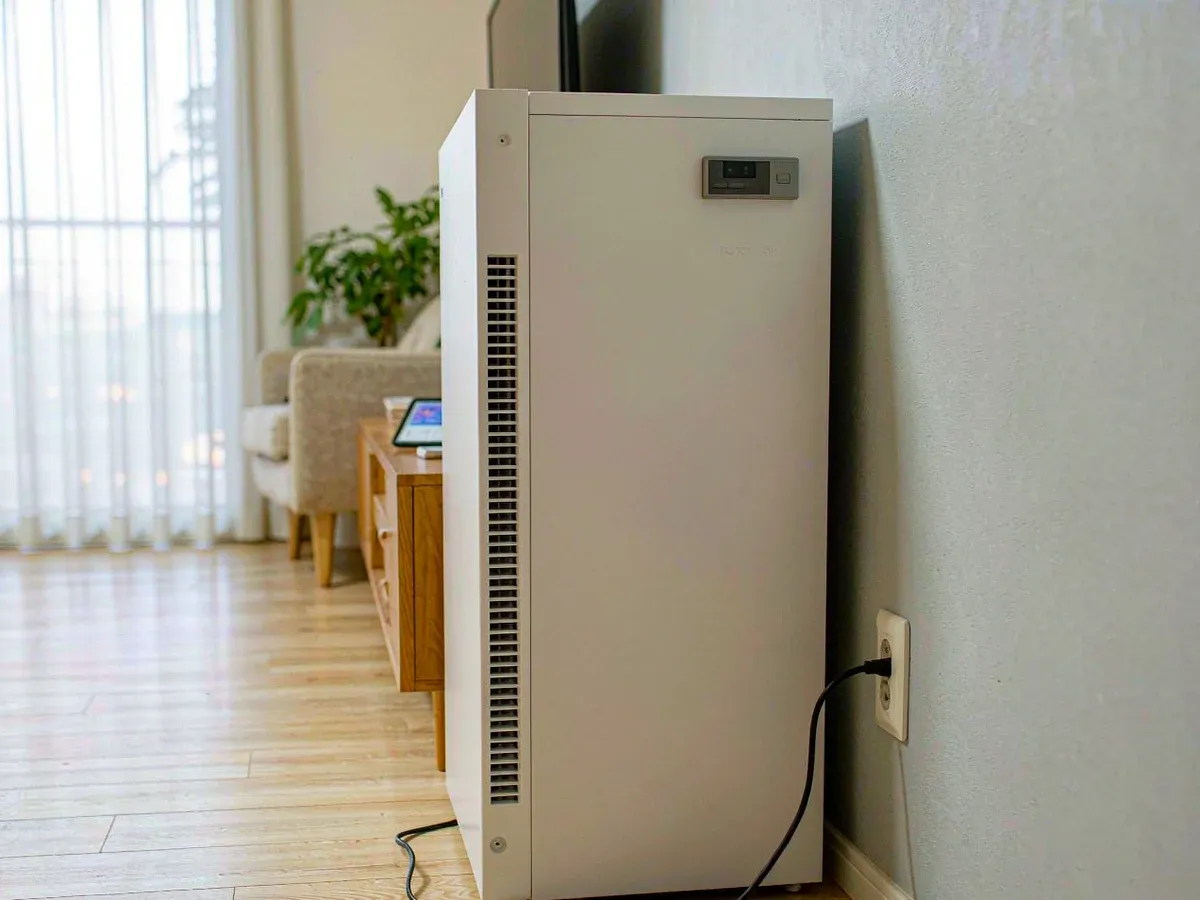
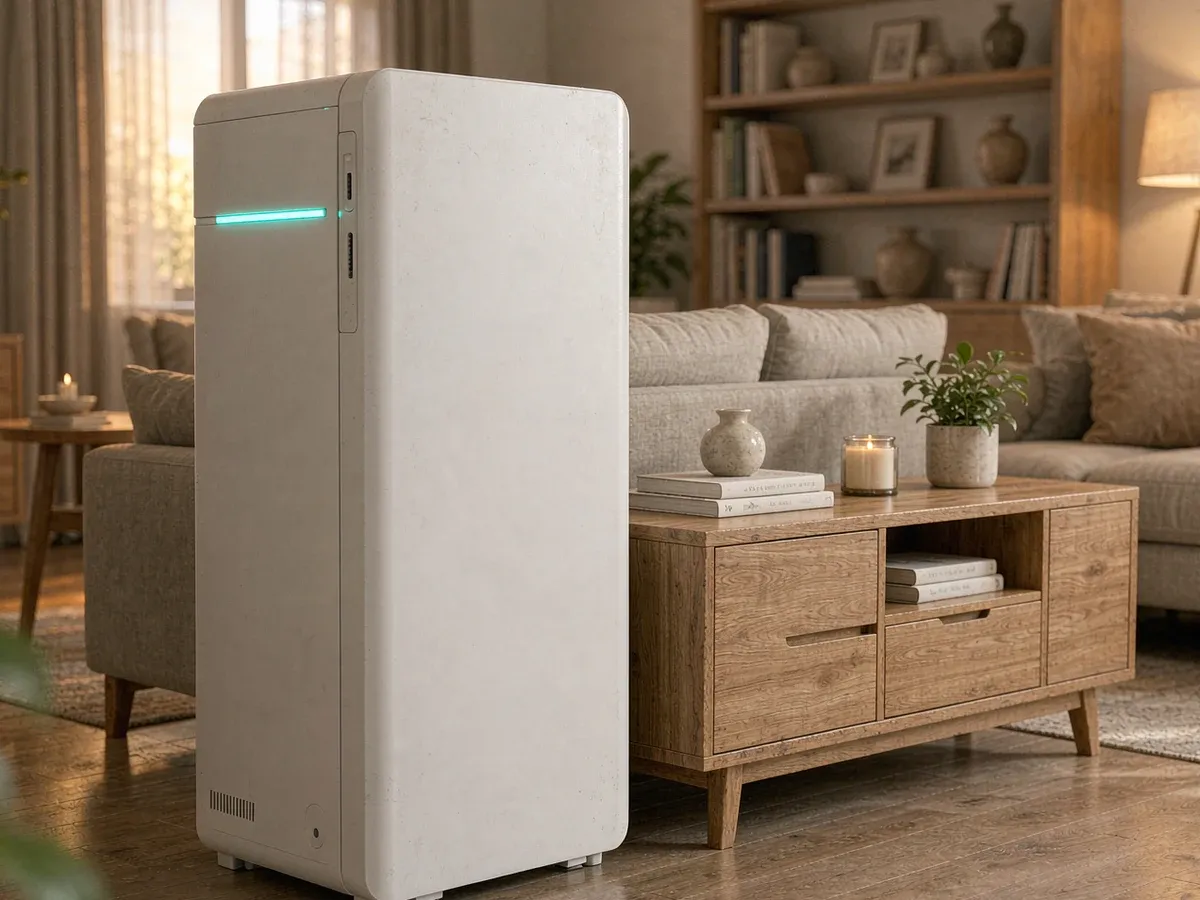
A home energy storage system built on LiFePO4 is a sensible baseline for a family residence, but the chemistry is only the first layer of safety, not the whole story.
Why LiFePO4 Earns Its Safety Reputation
LiFePO4 cells resist the failure mode that makes headlines: thermal runaway. They need to be pushed well past 250°C before they begin to break down, whereas the cobalt-based cells in phones and early laptops could go critical at a fraction of that temperature. They also do not release oxygen when heated, which removes the fuel a fire needs to spread. That is why a home energy storage system built on this chemistry is a defensible choice for a family residence.
What the chemistry does not do is forgive bad engineering. A stable cell inside a poorly ventilated cabinet, fed by a cheap battery management system, is still a problem waiting for a hot afternoon. The chemistry lowers the odds; the rest of the design has to do the rest.
The Three Failures That Actually Start House Fires
Reading incident reports from the last decade, almost no home battery fire was caused by the chemistry itself. They trace back to three avoidable mistakes.
First, sub-grade or counterfeit cells. A cell that cannot hold its rated capacity is often one that was never graded for stationary use. When it is charged hard, it heats, swells, and eventually vents. Ask for the cell grade report - for Lishen Grade A cells with traceability, that document names the exact batch the unit was built from.
Second, a weak or absent BMS. The battery management system is the only thing watching every cell's voltage and temperature. If it cannot balance cells or cut off a fault, one weak cell drags the others down. How modern BMS design works is worth reading before you compare quotes, because the spec sheet often hides the parts that matter most.
Third, water and wrong placement. A unit rated for indoor use mounted on a damp exterior wall, or a cabinet with no weather protection placed where rain reaches it, invites corrosion on the busbars. Corrosion means resistance, and resistance means heat.
What a Safe Cabinet Looks Like in Practice
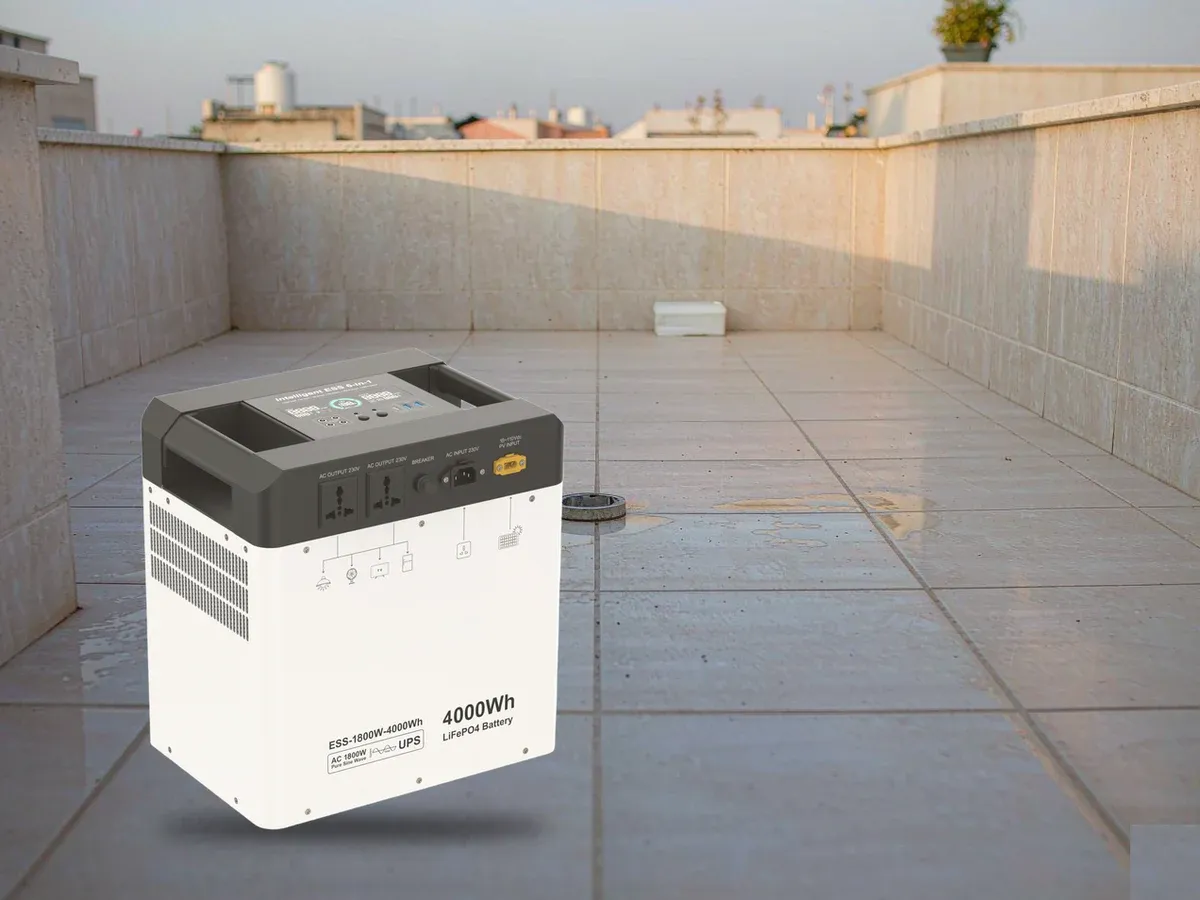
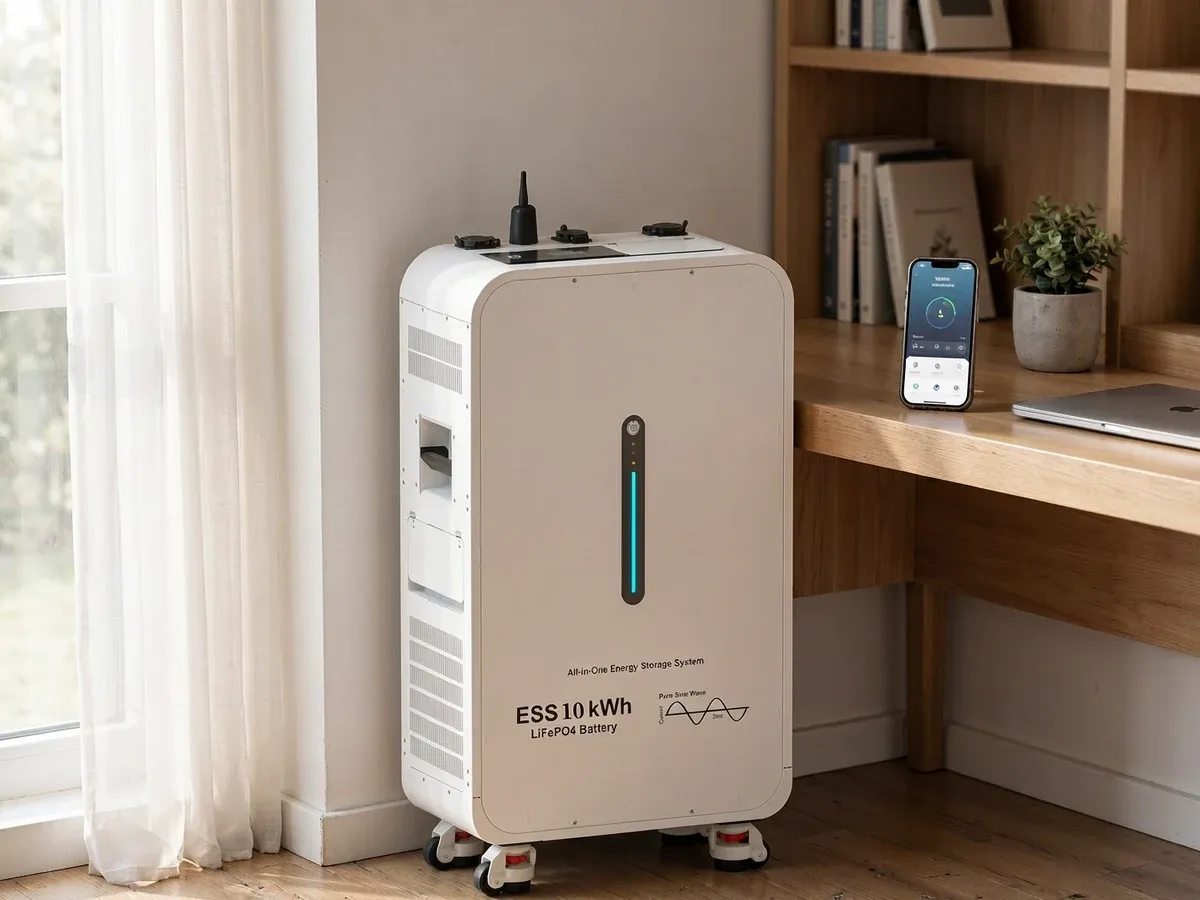
For a residential setting, look for an enclosure with a real IP rating suited to where it sits - IP20 is fine inside a dry utility room, but anything exposed needs a higher rating. The internal layout should keep cells, the BMS, and any inverter on one managed cooling path so heat does not pool in a corner. A 5kWh backup unit for a small apartment and a larger 16kWh villa system share the same safety logic, just scaled to different loads.
Cable entries should be sealed, and the unit should sit clear of ignition sources and away from where children or pets can block its vents. None of this is exotic; it is the difference between a product designed for a house and one designed for a warehouse floor.
Certifications: Claimed vs Verified
Here is where buyers get burned by marketing. A supplier may print 'certified' on a brochure without a document to back it. Two shipping and safety documents travel with every legitimate shipment as a matter of course: UN38.3 test reports and MSDS. Those you can treat as baseline facts rather than favors.
Everything else - IEC 62619, IEC 61000, and any local market approval - should be something you request by name and read, not a sticker you trust on faith. Ask the supplier to send the actual certificate for your target market, and confirm the model number on the certificate matches the unit you are buying. We build with Lishen Grade A cells and a self-developed integrated inverter, and we hand over the UN38.3 and MSDS without being asked; you should expect the same transparency from any bidder, plus the certificates your market requires.
Getting Installation Right
Most residential safety incidents happen at install, not in the factory. Mount the cabinet on a solid wall or floor spot rated for its weight. Keep it away from direct water, and never seal it inside a fully airtight space - batteries breathe heat. In hot climates, placement matters more than the headline number: a unit in a ventilated utility room outlasts the same unit boxed into a sealed cabinet.
If you are pairing storage with an existing rooftop solar array, have the electrician confirm the coupling before the battery arrives. A mismatched connection is the surest way to stress the BMS on day one, and a stressed BMS is where the trouble starts.
What to Ask a Supplier Before You Sign
Five documents and answers separate a safe purchase from a gamble. Request the cell grade report and name the brand. Ask for the BMS specification - continuous and surge ratings, and what it does on a single-cell fault. Get the UN38.3 and MSDS as baseline. Request the certificates your market actually requires, by model number. And confirm the IP rating matches where you will mount it.
Tell the factory your essential load list, your AC voltage - single-phase 220/230V is standard across much of Asia, Africa, the Middle East, and Latin America, though some sites run three-phase - and your application. That lets them size the unit instead of guessing, and it tells you whether the safety margins fit your real loads.
FAQ
Is LiFePO4 safe enough to keep inside the house?
Yes, provided the unit is a purpose-built residential cabinet with a proper BMS and correct placement. The chemistry is stable, and the enclosure is designed to contain the small amount of heat a healthy cell produces. The risk rises only when a unit meant for a warehouse is bolted into a hallway, or when the BMS is missing or faked.
Can a home battery explode?
A genuine LiFePO4 cell almost never explodes; it is engineered to vent rather than detonate. The dangerous cases in the news almost always involve the wrong chemistry, counterfeit cells, or a fault the BMS failed to catch. Buying graded cells and a real BMS removes the vast majority of that risk before the unit ever reaches your wall.
Do I need a fire-rated room for a home battery?
For a standard residential LiFePO4 cabinet, no - that is the whole point of using this chemistry inside a sealed enclosure. What you need is sensible placement: ventilated, dry, away from ignition, and mounted to code by a qualified electrician. Large C&I installations are a different conversation with different rules.
How do I check the cells are genuine?
Ask for the cell grade report that names the manufacturer and batch, and match it against the cells in the delivered unit. Traceable Grade A cells from a known maker are the practical safeguard against the counterfeit cells that cause most residential incidents. If a supplier cannot produce the document, that answer tells you everything you need to know.
What certifications are mandatory?
UN38.3 and MSDS travel with the shipment as standard. Beyond that, ask for the certificates your market requires - names like IEC 62619 and market-specific approvals - and read them against your exact model number. Do not accept a generic 'certified' claim; request the paper and the model it covers.
Tell Us Your Setup, Get a Straight Answer
Send your essential load list, your AC voltage, and where you plan to mount the unit through the contact page, and our engineers will tell you plainly whether a compact 5kWh unit or a larger home system fits your house - and what safety documents to demand from any supplier you consider. No upsell, just the configuration that keeps your home safe.