Aug 19, 2026Solar Modules
Flexible vs Rigid Solar Panels: What B2B Buyers Should Compare
Compare flexible and rigid solar panels by power range, weight, thickness, mounting surface, electrical data and project requirements before a commercial purchase.

Flexible and rigid solar panels can serve different project requirements, even when their wattage appears similar. A B2B buyer should compare module construction, dimensions, weight, electrical data, mounting surface, environmental rating and installation method before choosing a product for distribution or a specific project.
LinkPower's supplied catalog includes a regular monocrystalline module range from 40W to 720W and an industrial/commercial flexible series in 520W and 545W versions. The catalog data provides a useful starting point for a structured comparison.
The Main Difference Is the Project Fit
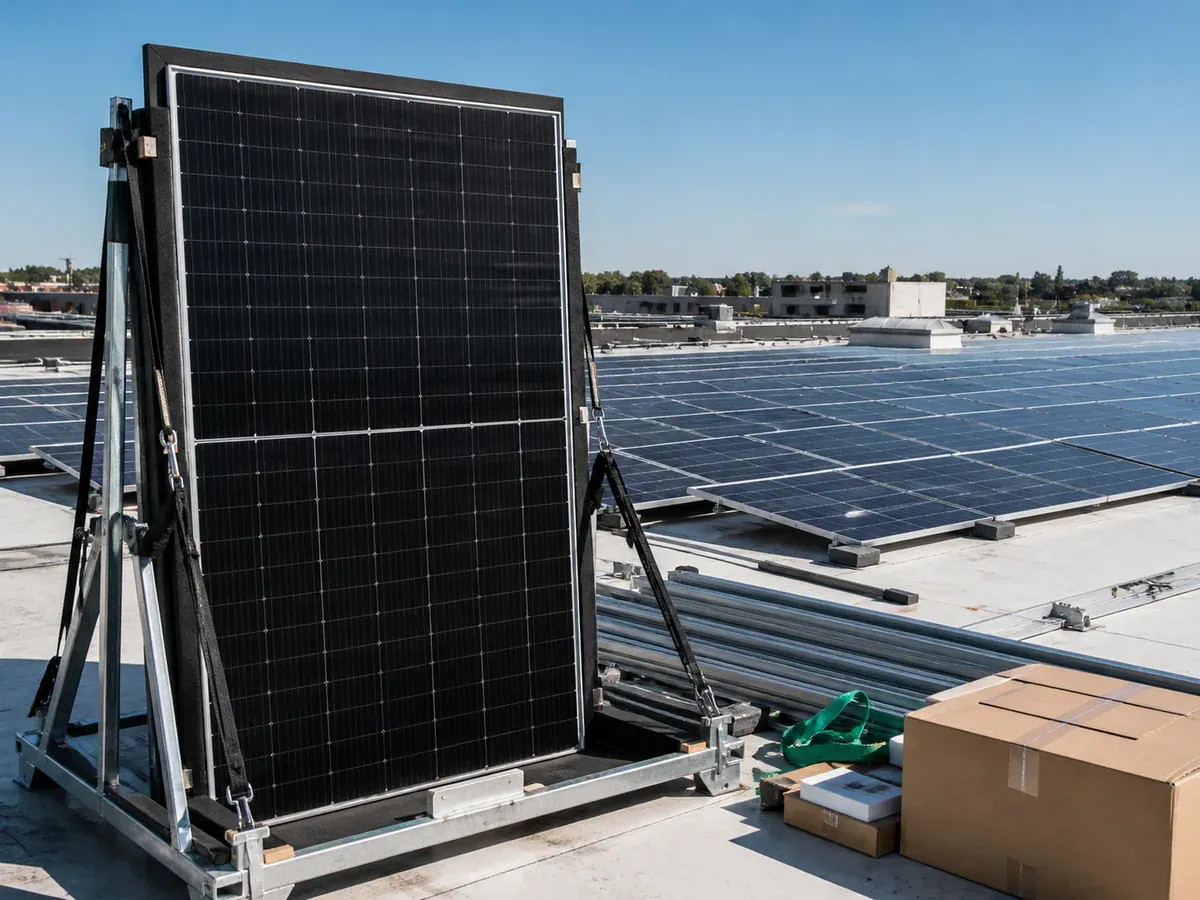
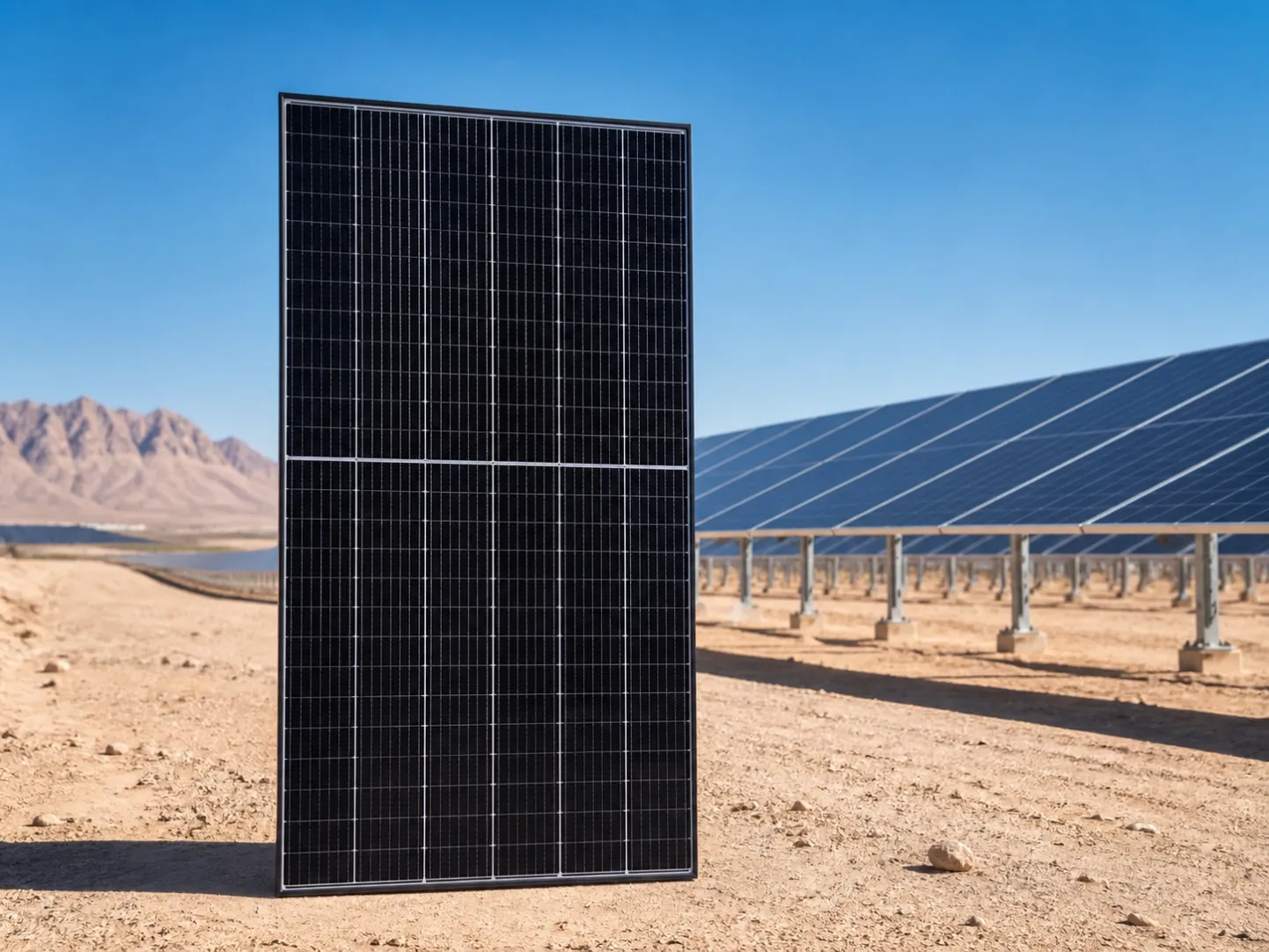
Rigid framed modules are the familiar choice for fixed solar arrays with conventional mounting structures. Flexible modules are designed for applications where low weight, a thin profile or a non-standard surface may matter.
Neither format is universally better. The decision should begin with the roof or mounting surface, structural limits, wind and drainage conditions, access for installation, electrical design and the expected maintenance method.
Flexible Module Data in the Supplied Catalog
The catalog lists two ETFE flexible modules:
Field | ZP-DB9A-520W | ZP-DB9A-545W |
|---|---|---|
Rated power | 520W | 545W |
Conversion rate | ≥23% | ≥25% |
Operating voltage | 41V | 43V |
Operating current | 12.68A | 12.67A |
Open-circuit voltage | 48.3V | 50.74V |
Short-circuit current | 13.44A | 13.43A |
Output connector | 0.9m MC4 | 0.9m MC4 |
Temperature range | -20°C to 60°C | -20°C to 60°C |
Enclosure rating | IP67 | IP67 |
Size | 2256 × 1200 × 3mm | 2256 × 1200 × 3mm |
Weight | 9.3kg | 9.3kg |
The catalog describes the flexible series as ultralight, quick to install, aesthetic and suitable for applications where a conventional frame or penetration is not preferred. These statements still need to be reconciled with the actual roof system, attachment method and local engineering requirements.
Rigid Module Data in the Supplied Catalog
The regular monocrystalline range spans 40W to 720W. The catalog table lists multiple models with their module dimensions, operating voltage and current, open-circuit voltage, short-circuit current and package quantity.
For the 720W model shown in the table, the listed data includes:
- Model: 182-720-M
- Power: 720W
- Size: 2384 × 1303 × 33mm
- Operating voltage: 41.15V
- Operating current: 19.36A
- Open-circuit voltage: 49.21V
- Short-circuit current: 20.46A
- Package: 33 pieces per pallet
The supplied page identifies the range as monocrystalline silicon modules. A technology label that is not present in the approved catalog should not be added to the article without a matching datasheet or report.
Compare Weight and Thickness
The flexible 520W and 545W modules are listed at 9.3kg and 3mm thick. The 720W regular module is listed with a 33mm frame depth.
These figures can influence transport and mounting, but a lower module weight does not remove the need for structural and attachment review. Buyers should request the complete mechanical loading and installation documentation that applies to the exact module and project.
Compare the Mounting Surface
Ask these questions before selecting a format:
- Is the surface flat, curved or irregular?
- Can the roof accept conventional rails and penetrations?
- What structural load is permitted?
- How will water drain around or beneath the module?
- How will the module be inspected or replaced?
- What attachment method is approved by the module and roof supplier?
- What wind and environmental conditions must the system withstand?
The product format should follow the project, not the other way around.
Compare Electrical Compatibility
Wattage is not enough to design a string. Check operating voltage, operating current, open-circuit voltage and short-circuit current against the inverter or charge controller and the planned series/parallel configuration.
Temperature affects voltage, and local rules may require design margins. The project engineer should use the current approved datasheet rather than a marketing summary when completing string calculations.
Compare Logistics and Packaging
For distributors, packaging data affects landed cost and handling.
The regular-module table lists pieces per pallet for each model. Buyers should request equivalent commercial packing information for the selected flexible module, including carton dimensions, gross weight, protection method, pallet quantity and loading plan.
Inspect a sample package for edge protection, connector protection and surface damage before approving mass shipment.
Documentation to Request
- Current model-specific datasheet
- Installation and attachment instructions
- Mechanical-load information
- Connector and cable specification
- Applicable test or compliance documents
- Packaging specification
- Warranty terms for the exact product and market
- Approved labeling and traceability format
For a deeper look at the flexible series, see Flexible Solar Solutions: Innovative Applications for 545W Panels after its unsupported claims have been reconciled with the current source package.
Request a Project-Based Module Comparison
Provide LinkPower with the roof type, usable area, structural limit, target system size, inverter input requirements, installation country and preferred module format. The final module selection should be confirmed against the current approved datasheet and project design.