Aug 20, 2026Solar Modules
N-Type TOPCon Solar Panels for Hot Climates: A Procurement Checklist
A procurement checklist for N-Type TOPCon solar panels in hot climates, covering temperature behavior, materials, mechanical design, documentation and supplier validation.
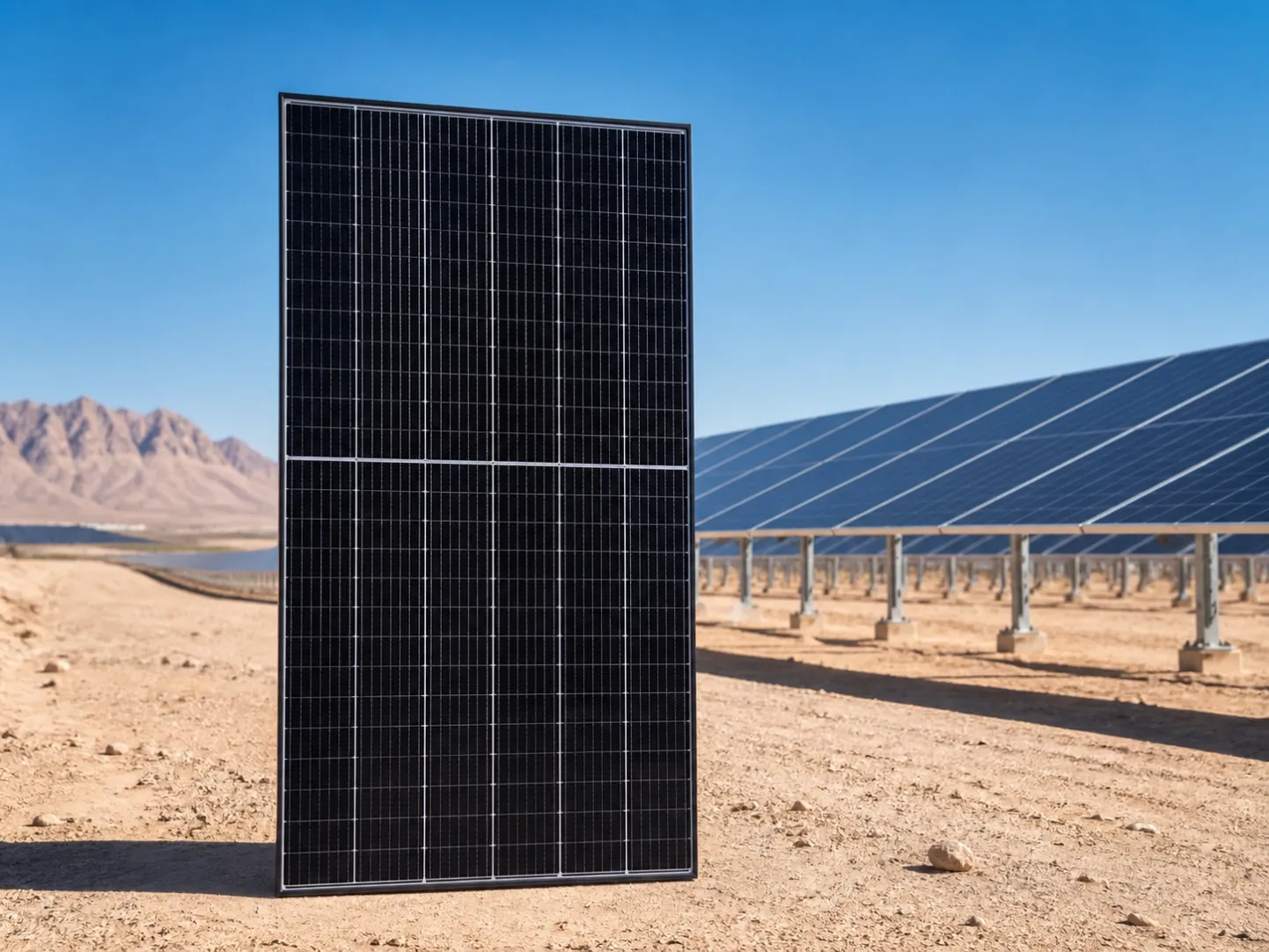
High ambient temperatures can expose weaknesses that are less visible in mild-climate solar projects. For procurement teams, choosing N-Type TOPCon solar panels for hot climates requires more than comparing rated output. The module design, bill of materials, mechanical details, supplier documentation, and project conditions should all be reviewed together.
Why hot-climate procurement needs a separate checklist
Solar modules are rated under controlled test conditions, while real projects operate across changing temperatures, wind, humidity, dust, and electrical loading. High module temperature can affect output, and repeated thermal cycles can stress materials and connections. A disciplined procurement process evaluates both the electrical data and the construction choices that support long-term field use.
Procurement comparison checklist
- Temperature behavior: request datasheet coefficients and supporting test documentation.
- Module construction: confirm the offered glass, encapsulant, frame, junction box, cables, and connectors.
- Mechanical loading: review load data, clamp zones, and the installation manual.
- Quality control: confirm production inspection and change-control records.
- Packaging: review protection for the planned route and destination.
1. Read temperature information in context
Do not treat one headline number as a complete answer. Review the temperature-related values on the module datasheet and ask the supplier to explain how they should be used in project modeling. The comparison should use the same assumptions for every candidate module. EPC teams should also confirm that the inverter voltage window and string design remain suitable across the site's expected temperature range.
2. Review the complete module construction
Cell technology is important, but the module is a system of glass, encapsulant, interconnects, back material, frame, junction box, cables, and connectors. Ask for a clear description of the offered configuration rather than relying on a generic family brochure. If alternative materials may be used, require the supplier to identify them and explain how substitutions are approved.
Hot-climate material questions
- What glass and frame configuration will be supplied?
- How are junction-box and connector choices documented?
- What quality checks are performed on lamination and sealing?
- How are bill-of-material changes communicated to the buyer?
3. Match mechanical design to the project
Utility-scale and commercial projects may face wind, sand, coastal air, rooftop heat, or difficult cleaning conditions. The project engineer should confirm mounting orientation, clamp zones, fasteners, row spacing, and maintenance access. A module with strong laboratory data can still be installed poorly if the mounting instructions and site design are not aligned.
4. Ask for traceable electrical and quality data
Buyers should define the inspection and acceptance process before production starts. Useful evidence can include serial-number traceability, flash-test data, visual inspection criteria, packaging checks, and agreed sample records. The exact documents depend on the project and contract, but the delivered product should be traceable to the approved configuration.
N-Type TOPCon procurement checklist
- Project location and environmental conditions documented.
- Datasheet values reviewed with consistent modeling assumptions.
- Approved module construction and materials recorded.
- Mounting method and clamp zones coordinated with the structure.
- Inspection, sampling, and acceptance criteria agreed.
- Packaging and container plan reviewed for long-distance transport.
- Warranty process and claim documentation understood.
- Supplier change-control and notification process confirmed.
Common comparison mistakes
Procurement teams often compare modules using only rated output, assume every product in a series uses identical materials, or postpone packaging review until production is complete. Another mistake is accepting marketing language without asking for the project-specific datasheet, drawing, and installation manual.
See our flexible versus rigid solar panel comparison or browse LinkPower solar and energy solutions.
Next step for solar buyers
Share the installation environment, mounting concept, delivery market, and required inspection scope when requesting a quotation. Contact our B2B team for a project-based review rather than a generic price-only comparison.