Sep 1, 2026Solar Modules
Solar Panels or Battery First? The Project-Sequence Guide
Decide whether to install solar panels or battery storage first by clarifying outages, tariffs, roof readiness, compatibility, budget and future expansion.
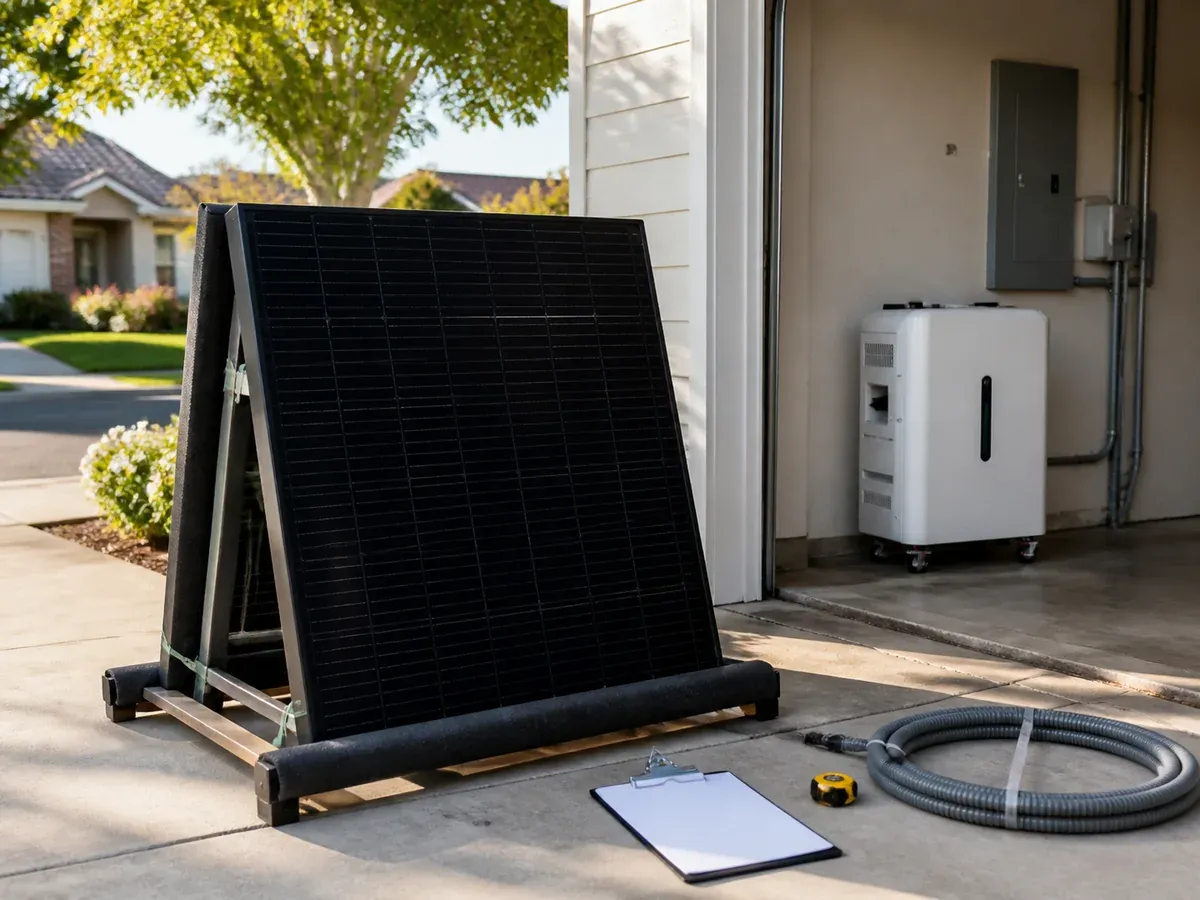
Solar panels or battery first? The answer changes with the problem.
If the priority is lowering daytime grid purchases, solar may lead. If the priority is surviving outages and the grid is available for charging, storage may lead. If both matter, the smartest first purchase may be a design that prevents expensive incompatibility later.
Choose solar first when
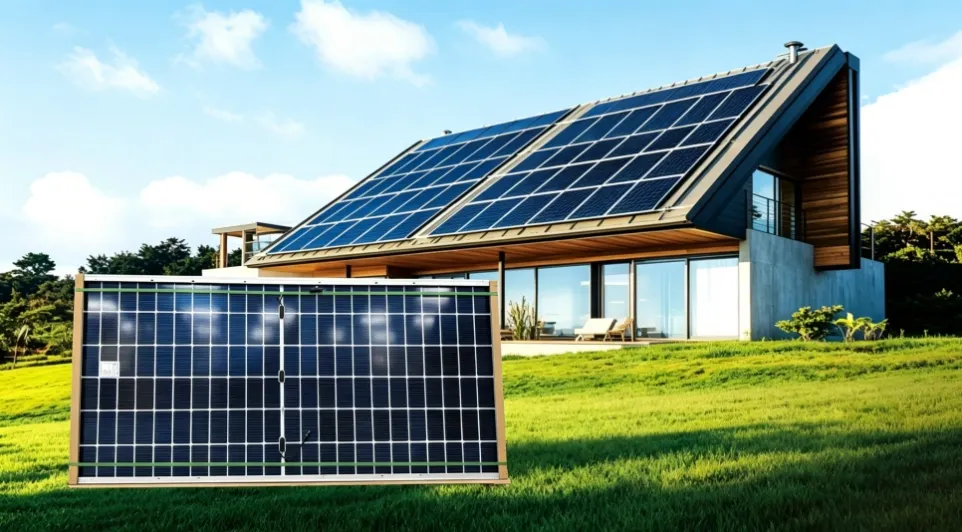
The roof is ready, daytime consumption is meaningful, interconnection is possible and outage backup is not the immediate problem. Confirm structural, shading, electrical and local approval requirements before selecting module count.
Choose storage first when
Outages are urgent, essential loads are defined, grid charging is permitted and the buyer accepts that the battery will not generate energy. This path can also suit a phased project where roof work or solar permits will come later.
Design both before buying either
Even a phased project needs a full-system sketch. Check battery voltage and communication, inverter type, solar input limits, transfer equipment, meter location, control logic and future expansion. “We will connect it somehow next year” is a sentence that keeps installers awake.
The five-step sequence
- Define the objective: bill reduction, backup, self-consumption or off-grid operation.
- Measure loads and choose essential circuits.
- Assess the roof, electrical service and installation locations.
- Select a compatible architecture for solar, inverter, battery and controls.
- Decide the purchase phases, responsibilities and commissioning tests.
Where a 720W module fits
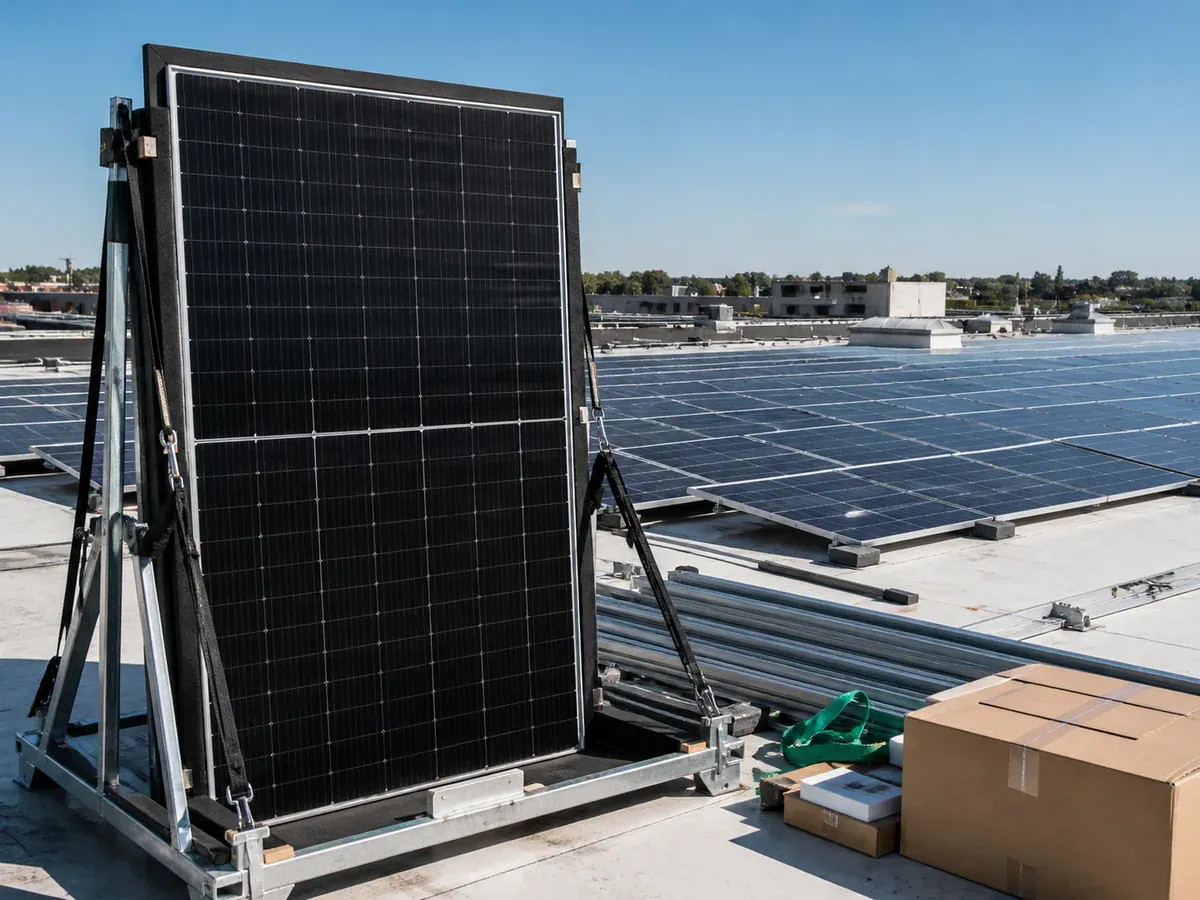
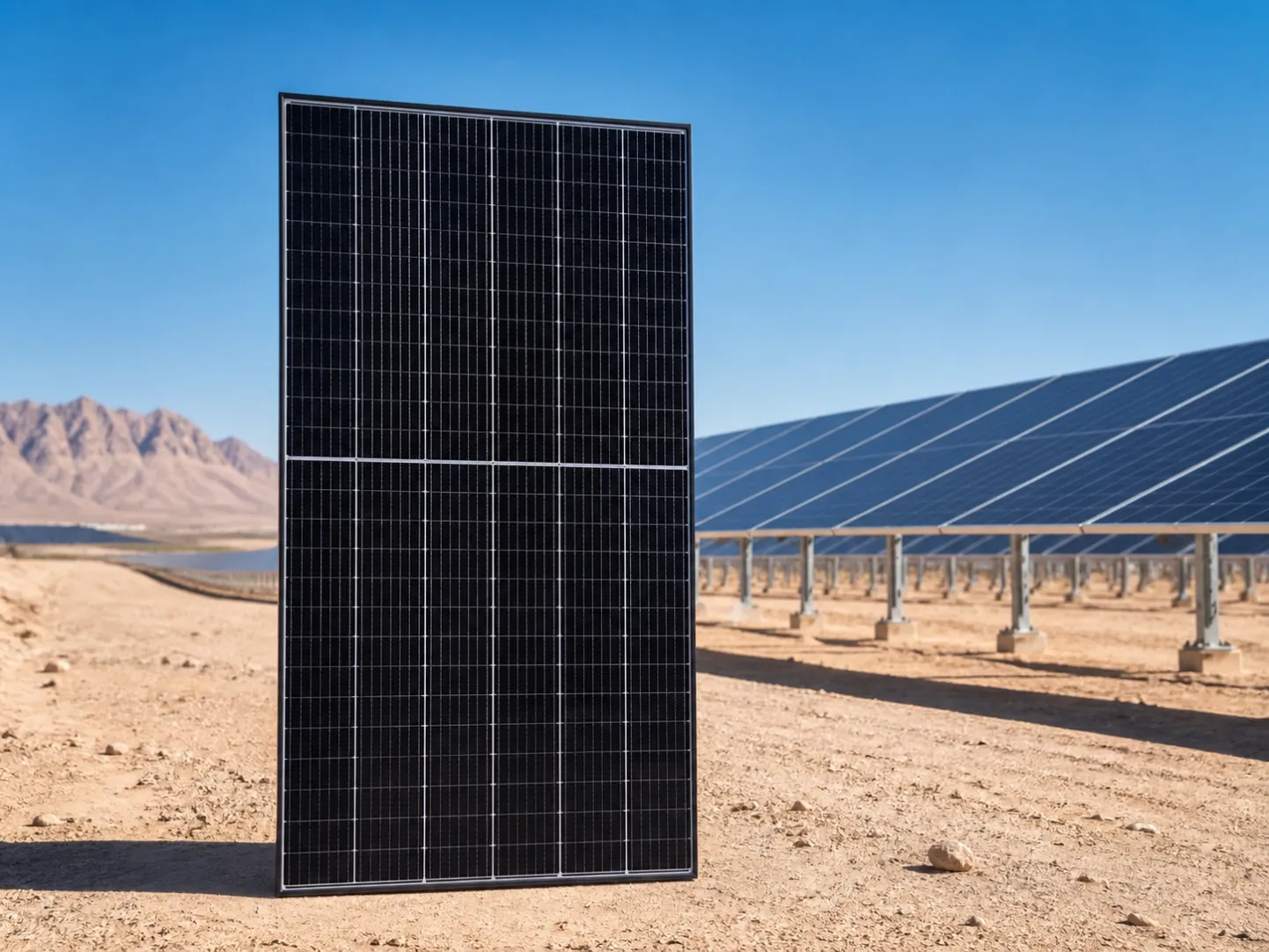
Large-format 720W modules may suit commercial and utility-scale layouts where module count and power density matter. They are not automatically the best choice for small irregular residential roofs. Confirm dimensions, weight, electrical data, handling and racking before using them in a plan.
Where home batteries fit
LinkPower’s residential range covers compact portable and larger all-in-one formats. Capacity should follow measured loads, required duration, inverter output and installation constraints—not the size of the empty wall.
Questions for a phased quotation
What is installed now? What will be added later? Which model versions and protocols must remain compatible? Who owns system integration? What local approvals apply? What data must be recorded during commissioning?
The short answer
Install solar first for generation-led economics, battery first for urgent selected-load backup, or both together when the site and budget allow. In every case, design the end state before ordering the first pallet or cabinet.
Send the roof, load, outage and phasing details for a coordinated proposal:
https://www.linkpoweress.com/contact-us