How Long Can a 16kWh Home Battery Run a House?
A buyer guide that turns a 16kWh home battery into real runtimes - essentials for about a day and a half, a full house with air conditioning for roughly 5-7 hours - with the load math, the appliances
How Long Can a 16kWh Home Battery Run a House?
A buyer guide that turns a 16kWh home battery into real runtimes - essentials for about a day and a half, a full house with air conditioning for roughly 5-7 hours - with the load math, the appliances that burn the clock, and the specs to verify before ordering.
A 16kWh home battery keeps the essentials running - a fridge, lights, a few fans, the router, phone charging - for about a day and a half, and it keeps a whole house with air conditioning going for roughly five to seven hours. That spread is not a trick of the numbers. It tells you the single most useful thing about battery runtime: the battery does not decide how long your house stays up, your load list does.
Most buyers ask the question backwards. They want one 'how many hours' figure, then compare batteries by it. In practice the answer moves with the weather, the time of day, and which appliances you refuse to live without. This guide runs the math on real household loads, names the appliances that eat the clock, and ends with a checklist you can hand your supplier so the quote matches your house.
What 16kWh Really Means Before You Do the Math
A 16kWh rating is the pack's nameplate energy. You do not get all of it. Lithium iron phosphate cells are usually cycled to about 90% depth of discharge to protect lifespan, and the inverter eats roughly 5 to 10% moving power from the battery to your outlets. Call the drawable amount 13 to 14.5kWh and you are in the right neighborhood. Do the runtime math on that real number, not the label, or every estimate below runs long.
Power rating matters as much as energy. A 16kWh pack on a 5kW inverter delivers about 5kW continuously; exceed that and the inverter trips before the battery is near empty. Size the inverter for your largest motor surge, not your average load.
Runtime by Load Profile
Three households show the range. The draws below are illustrative figures for typical gear, not measured test data - your appliances will differ, but the shape holds.
A villa outside Manila running a 150W fridge, LED lights, three ceiling fans, a router and phone charging pulls about 450 to 600W. On 14kWh drawable that is roughly 23 to 31 hours - call it a day and a half of lights and cold food. Add a single split AC at about 900W plus the basics and you land near 1.5kW, which drops to about 9 to 13 hours: through the night and into the next morning. Two AC units, a water pump and a microwave push 3 to 3.5kW, and runtime collapses to 4 to 6 hours. The battery has become a peak-shaving bridge, not all-day cover.
The Appliances That Burn the Clock
Air conditioning is the one that decides everything. One split unit draws roughly 900W; two of them rival every other load in the house combined. In hot climates the honest move is to run the AC off rooftop solar while the sun is up and lean on the battery at night, or raise the setpoint a couple of degrees during an outage so the bank lasts.
The fridge looks small but runs 24/7. A 150W unit cycling at about 30% duty is roughly 1.1kWh a day - never what drains the battery, but it is the reason 'essentials only' still needs real capacity. Water pumps and well pumps are worse on paper: motors surge two to three times their running watts for a second at startup, so size the inverter for the surge, not the run watts, or the pump trips the whole system.
How to Stretch the Runtime You Paid For
Self-consumption is the biggest lever. With a PV input, rooftop solar refills the bank at midday and turns a one-night bridge into multi-day cover. In a Lagos or Karachi home with 4 to 6kWh of rooftop PV, a 16kWh bank often rides a full 24-hour outage with the AC throttled. Confirm the MPPT specs accept your array before you buy the battery, even if the panels come later.
Load discipline does the rest. Move deferrable loads - iron, oven, water heater - to the solar-charged middle of the day instead of the battery-driven evening. If you outgrow the bank, parallel expansion on the same voltage platform adds hours; ask the factory for the expansion limit before you buy, not after.
Is 16kWh the Right Size for Your House?
Quick rule: if your must-run list is lights, fans, fridge, router and a few hours of one AC, 16kWh is the comfort tier and usually the sweet spot for villas in the Gulf, South Asia and Africa. If you only want a blackout shelf - fridge, lights, phone - 5 to 10kWh is enough and cheaper. If you want the whole house on battery through a long outage with two AC units running, 16kWh will strain; look at 20kWh or two banks. The home energy storage range lays out the 5/10/16/20kWh ladder in one place. Size to the worst night you actually expect, not the best-case afternoon.
Technical Notes Most Buyers Skip
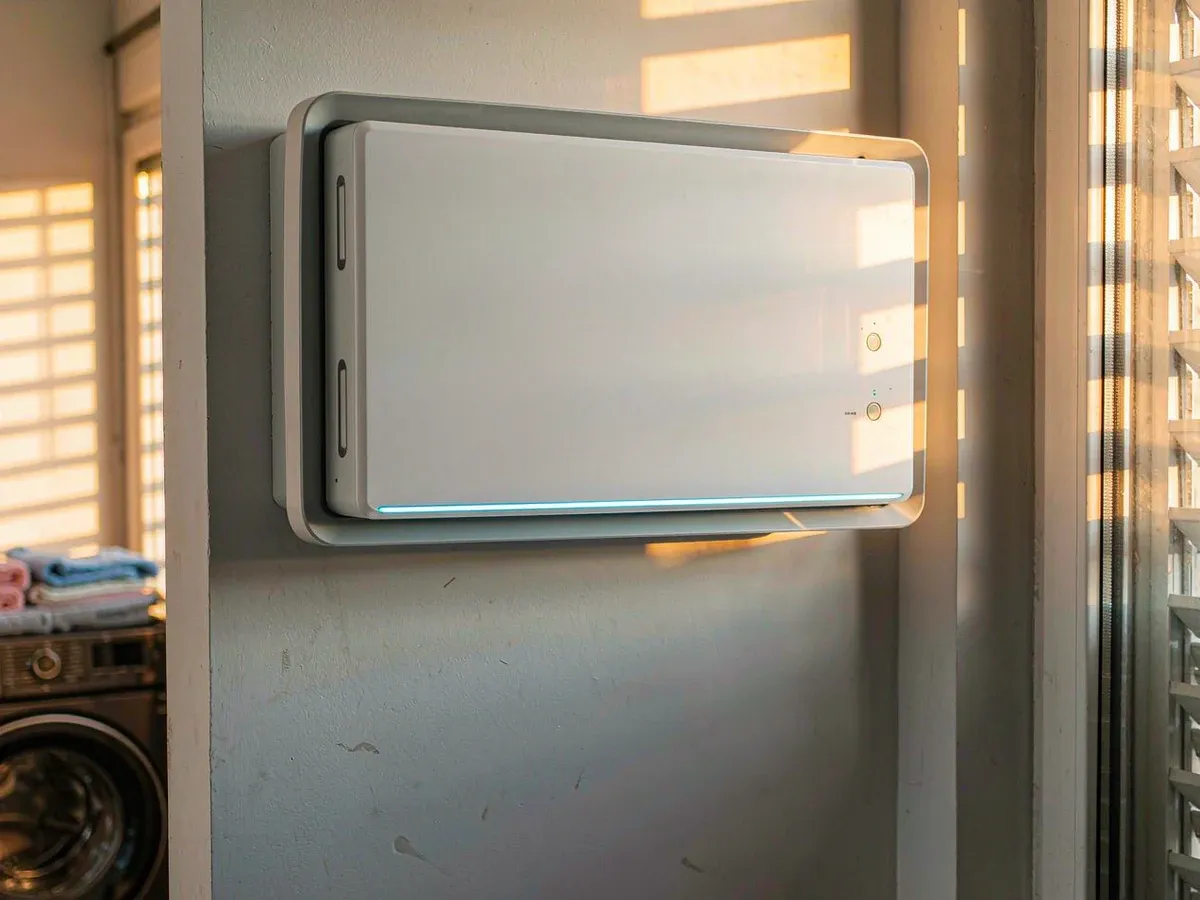
Net capacity first. Ask the supplier for the net kWh, not the label. A 16kWh unit that delivers 14kWh net is honest; one that quietly reserves 3kWh is not, and you sized on the wrong number. Heat is next: a cabinet in a sealed utility closet during a Riyadh summer runs hotter and ages faster, so wall-mount it with airflow, out of direct afternoon sun. On cycle life, ask every bidder for cycles at 80% depth of discharge at 25C, then compare; anyone who will not put that in writing is telling you something.
Cells decide how the pack behaves in heat. Lithium iron phosphate handles daily deep cycling and high ambient temperatures far better than older lithium types. Go one level deeper and ask for the cell brand and grade report. We build with Lishen Grade A cells, traceable to their production batch, and any factory competing for your order should show equivalent paperwork.
When 16kWh Fits - and When It Does Not
It fits households on scheduled load-shedding, villas with existing or planned rooftop solar, small clinics, and guesthouses where a dark evening shows up in the reviews - anywhere the grid is unreliable but present most days. It does not fit a remote site with no grid at all and heavy round-the-clock loads; that is a generator plus an engineer's load study, not a cabinet in the hallway. And if your grid is genuinely stable, you would be buying insurance you may never claim - a smaller unit, or none at all, is the honest answer.
What to Send Your Supplier
Five lines get you a real quote: peak load in kW, energy per outage in kWh, AC voltage and phase (110/220/230V, single or three), the application - house, shop, clinic, villa - and whether rooftop PV exists now or is planned. Add your outage pattern, scheduled or random, hours per day, and you have told the factory everything that changes the design.
FAQ
How many hours will a 16kWh battery run just my fridge?
A fridge alone draws about 1.1kWh a day, so a 16kWh bank runs it for well over a week. The fridge is never what drains the battery - it is the AC and the pump.
Can a 16kWh battery run two air conditioners all night?
Two split units near 1.8kW plus basics push 3kW and up, so roughly 4 to 6 hours. For all-night dual AC you want 20kWh or solar feeding the bank during the day. Run the AC off PV while the sun is up and the battery at night and you stretch much further.
Does rooftop solar make the battery last longer during an outage?
Yes. With a PV input the bank refills at midday, turning a one-night bridge into multi-day cover. Confirm the MPPT specs accept your array before you buy the battery, even if the panels come later - a mismatch leaves free midday power on the roof.
Will the inverter cut out before the battery is empty?
If your peak load exceeds the inverter's continuous rating, yes - the inverter trips, not the battery. A 16kWh pack on a 5kW inverter handles about 5kW; size the inverter for your largest motor surge, not your average load, or the system drops at the worst moment.
How do I know I am getting the full 16kWh?
Ask for the net kWh in writing and the cycle count at 80% DoD, 25C, then compare across bids. The label tells you less than the net figure does, and the spread between suppliers is often wider than buyers expect.
Tell Us Your Loads, Get a Real Configuration
Send your peak load in kW, energy per outage in kWh, AC voltage and phase, and your PV situation through the contact page - whether you run one AC or two changes the answer. Our engineers will return a 16kWh configuration for your villa with the integrated inverter details and the shipping documents for your market.