Residential Energy Storage for Areas with Unstable Grid Power
A buyer guide for households where the grid fails on schedule or sags daily: what unstable power actually damages, which specs decide reliability, and how 5-20kWh of residential storage sizes against
Residential Energy Storage for Areas with Unstable Grid Power
A buyer guide for households where the grid fails on schedule or sags daily: what unstable power actually damages, which specs decide reliability, and how 5-20kWh of residential storage sizes against real loads.
Grid power that arrives on its own schedule changes how you buy everything electrical. The fridge compressor is the first casualty: every deep voltage sag cooks it a little. Then the router, the TV, the well pump. A home battery fixes this, but not every battery survives the job - daily cycling, dirty input voltage and reconnection surges kill the wrong ones within a couple of years. This guide is about picking the one that lasts.
The short answer for buyers in South Asia, Africa, the Middle East and Latin America: get a LiFePO4 system with a wide AC input window, a fast built-in transfer switch, and a PV input so it can charge from rooftop solar when the grid fails completely. Size 5kWh for essentials, 10-16kWh for whole-evening comfort, 20kWh for near-independence. Then make the supplier prove every one of those specs in writing.
What an Unstable Grid Does to a House
Unstable does not just mean the lights flicker now and then. In load-shedding districts the pattern is predictable: 4-8 hours off per day, on a published schedule. In weak-grid villages it is worse - voltage sags toward 170V at dinner time, then snaps back above 240V when the line recovers, and the reconnection surge takes out whatever compressor was mid-cycle.
Two different problems, one box. The battery covers the outage hours. The inverter in front of it has to swallow the bad power: wide input tolerance, surge handling, fast changeover. Buyers who only compare kWh get the first half right and quietly lose the second.
What Actually Matters When You Compare Systems
AC input window. Ask each supplier for the acceptable input voltage range in writing. A unit that only accepts 190-240V will nuisance-trip on a sagging rural line; a wider window keeps charging through conditions that would lock out a stricter one.
Transfer speed. When the grid drops, the inverter must take over before your electronics notice. Ask for the measured changeover time and test it on a laptop during commissioning - a screen that never blinks is the pass mark.
PV input and off-grid readiness. If outages can run all day, grid charging alone will not save you. Check the MPPT voltage range and maximum PV input, and confirm the system can start and run with zero grid present. That is the difference between backup and genuine off-grid capability.
Motor starting. Water pumps, fridges and air conditioners draw two to three times their running power for a second at startup. Tell the supplier every motor you plan to run and have them size the inverter for the largest one, not for the average load.
Cells you can trace. Chemistry decides lifespan in hot climates, and lithium iron phosphate (LiFePO4) handles daily deep cycling and heat far better than older lithium types. Go one level deeper: ask for the cell brand and grade report. We build with Lishen Grade A cells, traceable to their production batch, and any factory competing for your order should show equivalent paperwork.
Sizing: Evening Backup to Near-Off-Grid
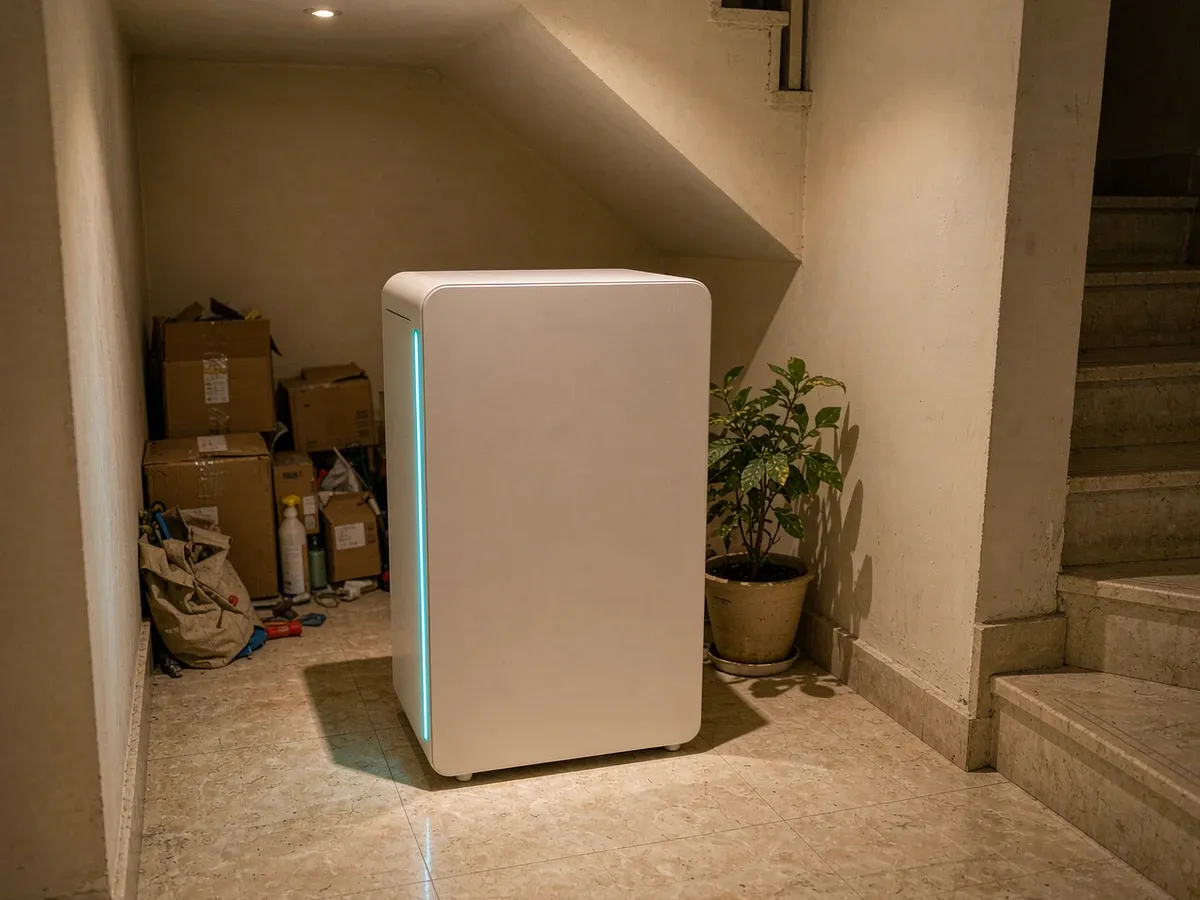
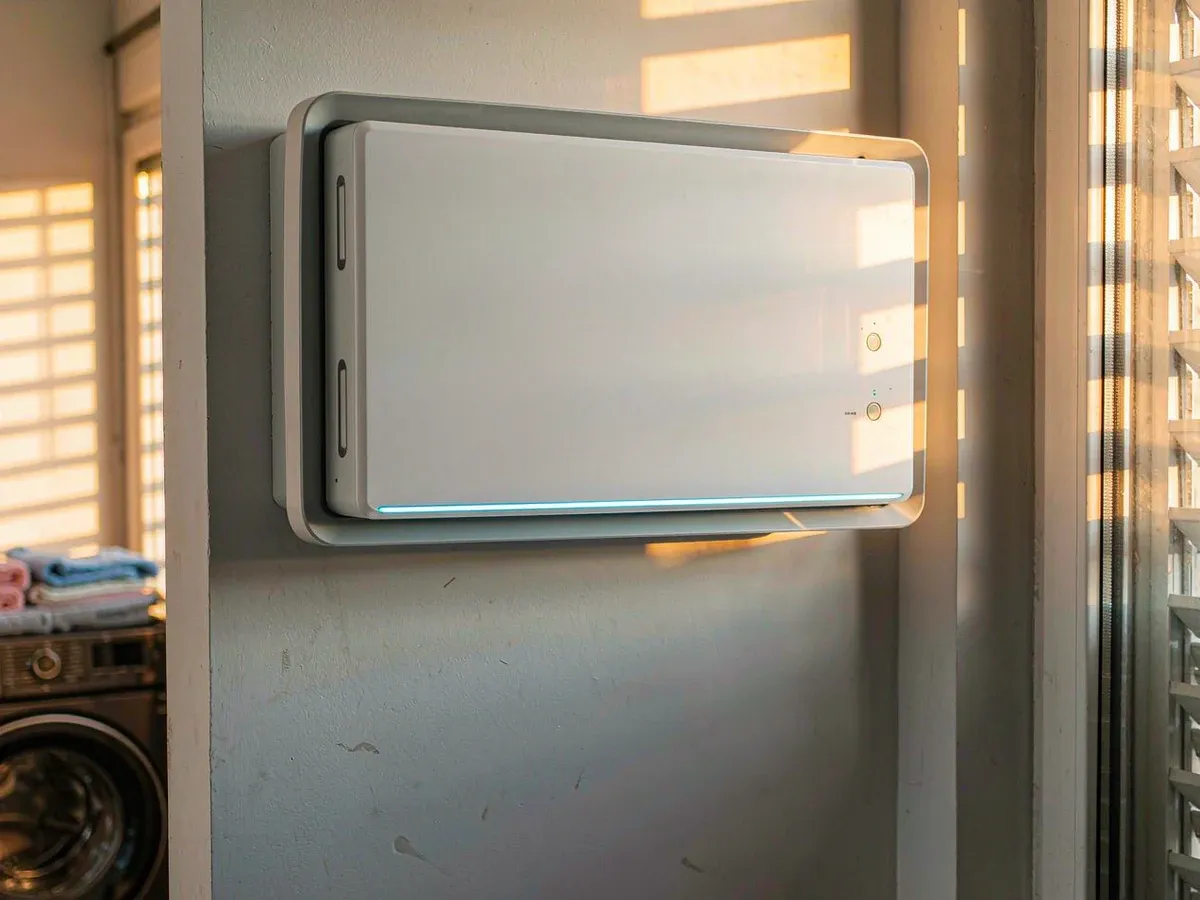
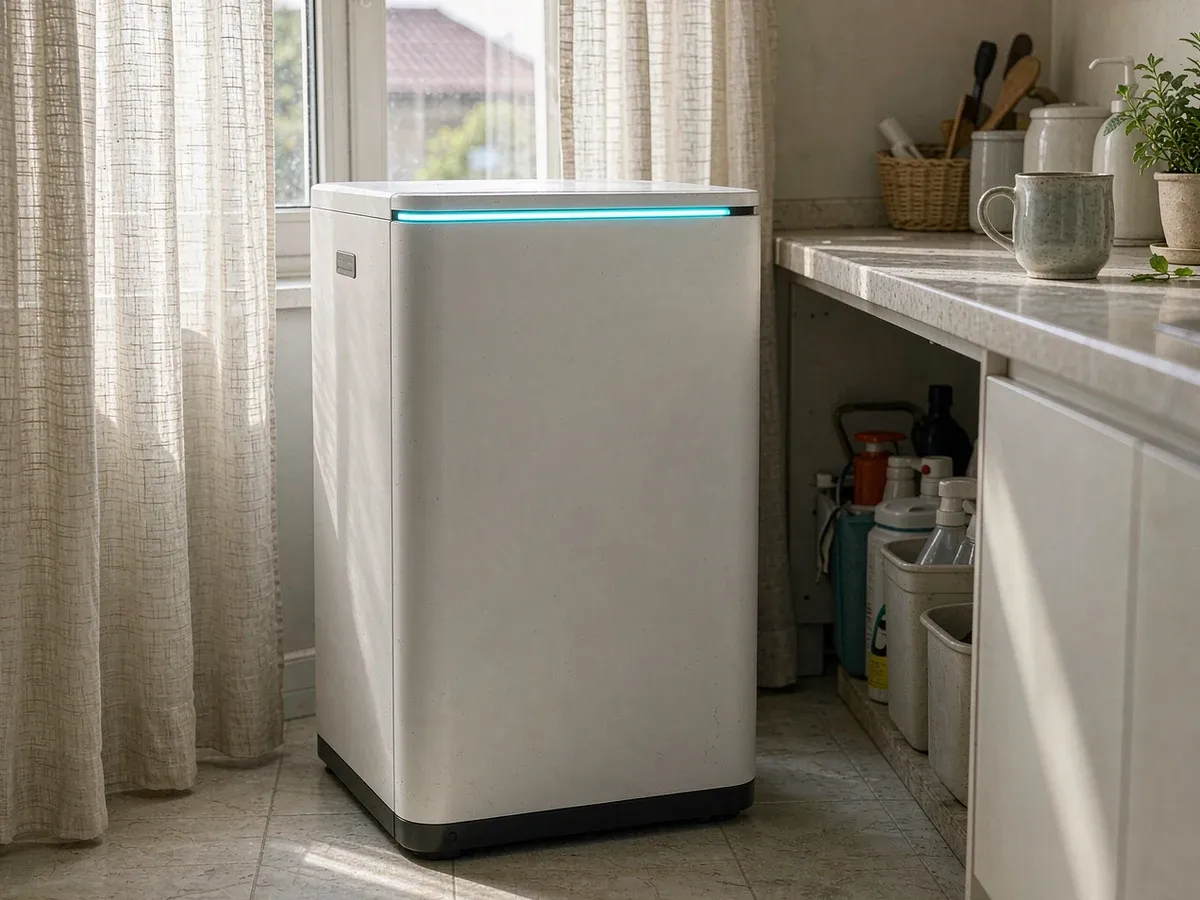
Start from what the battery must carry and for how long. A 5kWh unit keeps lights, fans, a fridge, a router and device charging alive through a typical 4-6 hour outage with margin. A 10kWh system adds evening air conditioning for a small house. A 16kWh bank - the size that fits most villas in the Gulf, Africa and South Asia - covers AC, a water pump and kitchen loads across a full load-shedding day; that is the 16kWh class most villa owners settle on. The full home energy storage range lays out the 5/10/16/20kWh ladder in one place.
One sizing mistake to avoid: do not buy capacity for loads you will never run during an outage. If the plan is essentials-plus-fans, 5-10kWh is honest sizing. If the plan is that the house keeps living normally, go 16kWh and stop compromising. Half-measures disappoint in both directions.
Self-Consumption: Make the Daytime Sun Pay for the Evening
Where rooftop solar exists or is planned, the battery takes on a second job. Without storage, midday PV output covers the midday load and the surplus has nowhere useful to go in most unstable-grid regions - few of them pay meaningful feed-in tariffs. With storage, the surplus charges the bank and the house runs on it after sunset.
The arithmetic most households care about: shift enough solar into the evening and the grid turns from supplier into fallback. For that to work, the system must prioritize solar charging, refill the battery before export logic even matters, and fall back to grid charging through a stretch of cloudy weather. Confirm all three behaviors before you order - and if the PV array comes later, confirm the MPPT specs today so the battery you buy will accept it.
Technical Notes Buyers Skip
Net capacity. Some machines reserve part of the pack to protect the cells. Ask how many kWh you can actually draw, not what the label says; a 10kWh unit that delivers 9kWh net is fine, as long as you sized with the real number.
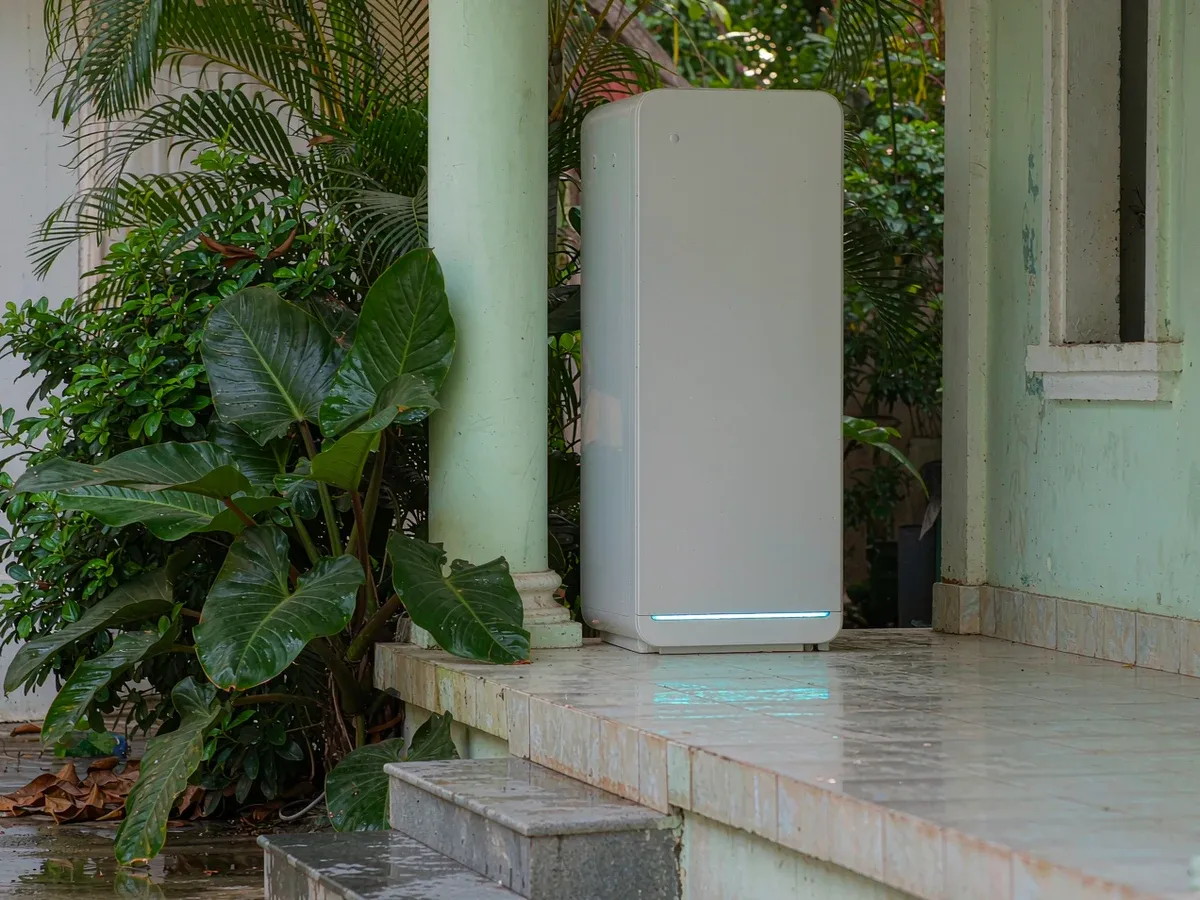
Heat and placement. In a Karachi summer or a Lagos rainy season, a cabinet in a sealed utility closet runs far hotter than one on a shaded wall with airflow. Give it ventilation and keep it out of direct afternoon sun - ventilation is a lifespan feature, not a nice-to-have.
Cycle life on equal terms. Suppliers quote cycles at different depths of discharge and temperatures, which makes the numbers incomparable as printed. Ask every bidder for cycles at 80% depth of discharge at 25C, then compare. Treat anyone who refuses to put that in writing as a signal.
When This Setup Fits - and When It Does Not
It fits households and small clinics on scheduled load-shedding, villas with existing or planned rooftop solar, farms running a well pump, and guesthouses where a dark evening shows up in the reviews. In short: anywhere the grid is unreliable but present most days.
It does not fit a remote site with no grid at all and heavy round-the-clock loads - that is a full off-grid plant with a generator and an engineer's load study, not a cabinet in the hallway. And if your grid is genuinely stable, you would be buying insurance you may never claim; a smaller unit, or none at all, is the honest answer.
What to Send the Supplier
Quotes that come back in a day start with five lines: peak load in kW, energy per outage in kWh, AC voltage and phase (110/220/230V, single or three), the application - house, shop, clinic, villa - and whether rooftop PV exists now or is planned. Add your local outage pattern (scheduled or random, hours per day) and you have told the factory everything that changes the design.
FAQ
Can the system run without any grid power at all?
If it has a PV input and is designed for off-grid operation, yes - that is off-grid readiness done properly. Confirm it can cold-start from battery with zero grid present, and size the PV input for your worst season, not your best one.
My grid voltage swings from 170V to 250V. Is that a problem?
It is exactly the problem a wide AC input window exists to solve. Log your actual range with a cheap plug meter over a week, give the supplier the numbers, and ask in writing whether the unit charges across all of it without tripping.
Can I start with 10kWh and add more later?
Most modular systems allow parallel expansion, but the rules differ by model: same voltage platform, matching firmware, sometimes a capacity ceiling per inverter. Ask for the expansion limit before you buy, not after.
Which documents should I ask for before paying?
UN38.3 and MSDS are standard for lithium battery shipping, and any serious factory supplies them without being asked twice. For safety or grid-connection certificates specific to your country, request them from the supplier and verify the documents with the issuing body before your deposit moves.
Tell Us Your Grid, Get a Real Configuration
Send your peak load in kW, energy per outage in kWh, AC voltage and phase, and a line about your outage pattern through the contact page - whether the grid fails on schedule or at random changes what we recommend. Our engineers will reply with a 5/10/16/20kWh configuration, the matching integrated inverter details, and the shipping documents for your market.